This index sends you to the guide that matches your problem: a warning light, a noise, a worn part or a routine check. Start with the table below, then use the topic lists. Every guide names its sources, such as owner’s manuals, U.S. safety rules, the Department of Energy and Haynes, and gives no price we could not source.
Where should you start for a specific problem?
Which brake guide do you need?
These guides cover how the system works, how to tell when pads, rotors or fluid need attention, and what a soft, shaking or noisy pedal usually points to. Two of them are the safest starting points: how brakes work, and the brake warning light.
- How Car Brakes Work: The Main Components and What Each Does
- Brake Maintenance: What to Check and How Often
- Brake Warning Light: What It Means and What to Do
- Signs Your Brake Pads Need Replacing and How to Check Them
- How Long Do Brake Pads Last? What Affects Their Life
- Brake Pad Materials: Organic, Semi-Metallic and Ceramic
- Why Do Brakes Squeal and How to Stop It
- When to Replace Brake Rotors: Signs, Resurfacing and Replacement
- Vented vs Solid Brake Rotors: What the Difference Is
- Sticking or Seized Brake Caliper: Symptoms, Causes and Fixes
- Spongy, Soft or Hard Brake Pedal: Causes and What to Check
- Brake Master Cylinder and Booster Problems: Symptoms and Causes
- Vibration When Braking: Causes of a Shaking Pedal or Wheel
- ABS Brakes: What They Do and What the ABS Warning Light Means
- How Often to Change Brake Fluid and Why It Ages
- How to Check Brake Fluid Level and Color
- Signs You Need a Brake Fluid Change or Have Low Fluid
- How to Change Brake Fluid: Steps, Tools and Safety
- DOT 3, DOT 4, DOT 5 and DOT 5.1 Brake Fluid: Differences
Which battery and charging guide do you need?
Start here if the car is slow to crank, will not start or the battery light is on: signs of a dying battery, how to test it with a multimeter, how long batteries last, how to jump-start safely, and what a failing alternator looks like.
- Signs of a Dying Car Battery and How to Test It
- How to Test a Car Battery With a Multimeter: Steps and Readings
- How Long Do Car Batteries Last? What Affects Battery Life
- Car Battery Voltage Drop: Causes, How to Test It and How to Fix It
- How to Clean Car Battery Terminals and Prevent Corrosion
- How to Jump-Start a Car Safely: Cable Order and Steps
- Bad Alternator Symptoms: Signs, Tests and What to Do
Which tire and wheel guide do you need?
Pressure, tread depth, age and rotation, plus what the tire pressure light means and when alignment matters. Each guide says where its numbers come from, such as the U.S. rule that defines the warning light.
- Car Tire Pressure: How to Check It and How Often
- Tire Pressure Light: What It Means and What to Do
- Tire Tread Depth: How to Check It With a Gauge or a Coin
- When to Replace Tires: Wear, Damage and Age Warning Signs
- Tire Age: How to Read the DOT Date Code and When to Replace
- Tire Rotation: How Often and Why It Matters
- Wheel Alignment: Signs You Need One and Why It Matters
Which engine and warning-light guide do you need?
For a lit or flashing check engine light, a misfire code, a rough engine or an exhaust noise. These pages explain what is urgent, what can wait for a garage visit, and the routine parts (oil, filters, spark plugs) that prevent many of these problems.
- Check Engine Light: Common Causes and What to Do
- Flashing Check Engine Light: What It Means and What to Do
- P0300 Code: Random Misfire Causes and How to Diagnose It
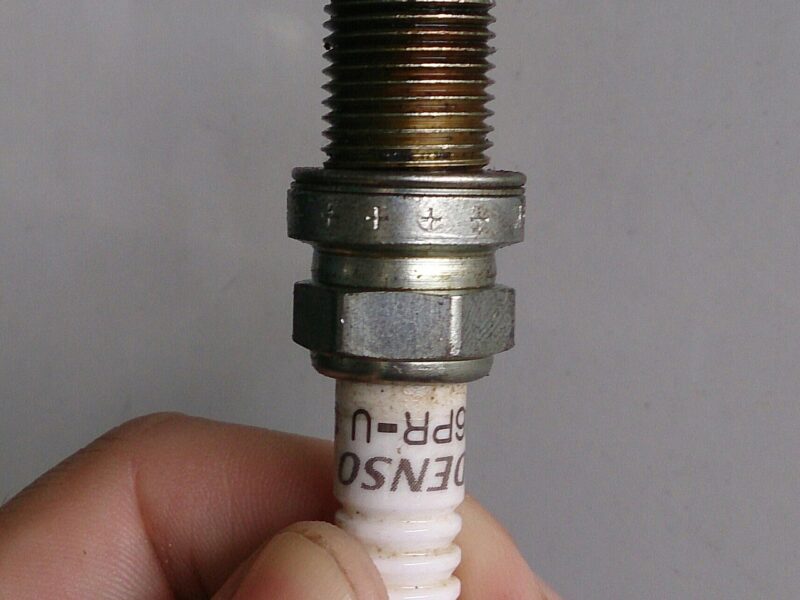
- When to Change Spark Plugs and How to Check Them
- Bad Spark Plug Symptoms: Misfire, Hard Starts, Poor Economy
- Catalytic Converter Problems and Code P0420: Symptoms and Causes
- Exhaust Rattle: Common Causes and Why to Fix It Early
- How to Change Engine Oil and Filter: Steps, Tools and Safety
- Oil Filter: What It Does and When to Change It
- Engine Air Filter: How Often to Change It and How to Check It
Which cooling, heating or AC guide do you need?
Overheating, a heater that blows cold, AC that is not cold, a failing thermostat and how to change coolant. The heater and AC pages are written from sources that disagree on some intervals, and they say so.
- Engine Overheating: What to Do and What Causes It
- Failing Thermostat: Signs, Tests and What to Do
- How to Flush and Replace Engine Coolant (Antifreeze)
- Car Heater Not Blowing Hot Air: Causes and Fixes
- Car AC Not Blowing Cold: Common Causes and What to Check
Which transmission or suspension guide do you need?
How to check transmission fluid, the first signs of automatic transmission trouble, and how to test shocks and struts.
- How to Check Transmission Fluid: Level, Color and Warning Signs
- Automatic Transmission Problems: Warning Signs and First Checks
- Worn Shocks and Struts: Signs, Bounce Test and When to Replace
Which lights or cabin guide do you need?
Headlight bulbs and the differences between halogen, HID and LED, how to restore cloudy lenses, and how to change the cabin air filter.
- How to Replace a Headlight Bulb: Steps, Types and Safety
- Halogen vs Xenon (HID) vs LED Headlights: What Haynes Says
- Cloudy or Damaged Headlights: Causes and Restoration
- Cabin Air Filter: How Often to Change It and How to Replace It
Which maintenance schedule should you follow?
A baseline from Haynes next to an example from a manufacturer’s own manual, with the places where sources disagree on intervals.
Which electric car guide do you need?
How EVs work, how long their batteries last according to the U.S. Department of Energy, charging levels, regenerative braking, tire wear and tire pressure, and a range and efficiency comparison of the Tesla Model Y and Model 3 built on EPA data.
- Electric Cars: How They Work, Pros and Cons (DOE Guide)
- How Long Do EV Batteries Last? What the DOE Says
- Electric Car Maintenance: What Is Different and What to Check
- EV Charging Levels: Level 1, Level 2 and DC Fast Charging
- Regenerative vs. Friction Braking in EVs: How They Work and Wear
- Why Do EV Tires Wear Out Faster? What the Evidence Shows
- Electric Car Tires: How They Differ and What to Check
- EV Tire Pressure: Where to Find It, How Often to Check and Why It Matters
- All-Season Tires for the Tesla Model 3: What to Check Before You Buy
- Tesla Model Y vs Model 3 2026: Range, Efficiency, Price
Which car-buying comparison do you need?
A comparison of four crossover SUVs, built from published specifications.
Which car insurance guide do you need?
What each type of coverage does, how to compare quotes, how deductibles and liability limits work, and ways to lower the cost. These pages cite Triple-I and give no rates we could not source.
- Auto Insurance Basics: What Each Type of Coverage Does
- How to Compare Car Insurance Quotes: A Step-by-Step Checklist
- Car Insurance Liability Limits: Are State Minimums Enough?
- Choosing a Car Insurance Deductible: How It Works
- Collision vs Comprehensive Insurance: What Each Covers
- How to Lower Your Car Insurance Cost: Nine Ways From Triple-I
How are these guides sourced?
Each guide is written from sources we read and name on the page: manufacturer owner’s manuals, U.S. safety standards (FMVSS) through the eCFR, the Department of Energy and EPA, Triple-I for insurance, and repair-manual guides from Haynes.
Where sources disagree, the page shows both. Your own owner’s manual is always the reference for your car.
We do not publish repair prices or insurance rates that we could not source, and we do not use brand rankings. Some pages rest on one or two sources and say so; read those as a starting point for a conversation with your mechanic, not as a diagnosis.
Frequently asked questions
Which warning light is most urgent?
A flashing check engine light and a brake warning light. The flashing light can mean a severe misfire that damages the catalytic converter. See the guides on the flashing light and the brake warning light.
How often should I do routine maintenance?
It depends on your car. The maintenance schedule guide compares a Haynes baseline with a manufacturer’s manual, and your owner’s manual decides.
Are these guides a substitute for a mechanic?
No. They explain what a symptom usually means and what to check first. Brakes, tires and anything involving safety deserve a professional check when in doubt.
Do the guides cover car insurance?
Yes, six of them: coverage types, comparing quotes, deductibles, liability limits, collision versus comprehensive and ways to lower the cost.