Electric Vehicle (EV) tires experience accelerated wear compared to tires used on conventional internal combustion engine (ICE) vehicles. This heightened wear is predominantly influenced by unique engineering attributes found in EV design and operation. Understanding the intricate mechanisms behind EV tire wear is paramount for EV owners who aim to maximize their tires’ lifespan and maintain optimal vehicle performance.
What Unique Factors Contribute to Faster Tire Wear in Electric Vehicles?
Electric vehicles exert specialized stressors on their tires that significantly diverge from those faced by conventional gasoline-powered cars. Key factors contributing to accelerated tire wear include the substantial weight of EVs, instantaneous torque delivery, and the dynamics of regenerative braking systems. Each of these elements compounds the stress on tire compounds and structures, leading to accelerated wear rates.
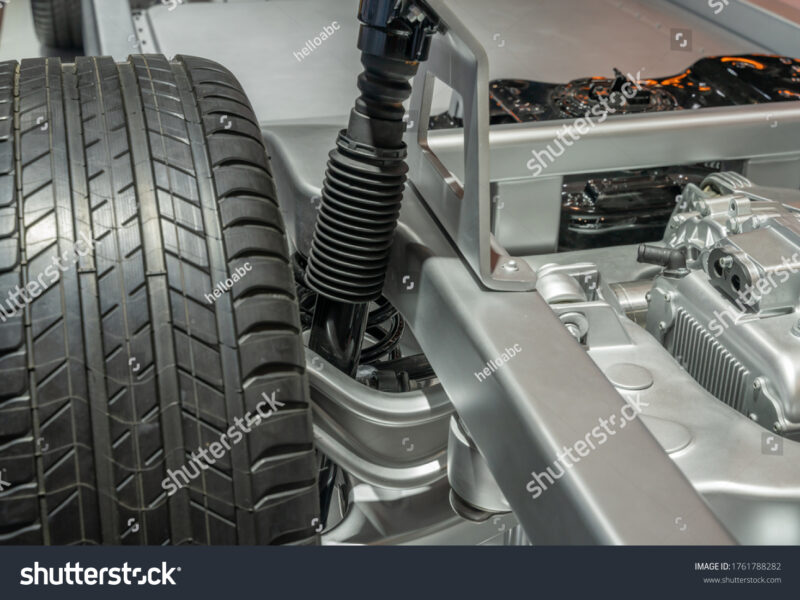
The most pivotal factor in accelerated EV tire wear is the vehicle’s hefty weight. The majority of modern electric vehicles weigh considerably over 3,500 pounds, often reaching 4,000 pounds due to their heavy battery packs. For example, the Tesla Model S has a weight nearing 4,941 pounds, while some high-performance models can exceed 5,000 pounds when fully equipped. This increased mass results in greater rolling resistance and intense pressure on the tire contact patch, which necessitates tires with reinforced sidewalls and higher load capacities. A critical threshold occurs when an EV’s weight surpasses 4,000 pounds, leading to markedly elevated stress levels on the tires that result in noticeably faster wear, particularly pronounced in vehicles exceeding 5,000 pounds.
Another crucial factor is the instantaneous and robust torque delivery characteristic of electric motors. Unlike ICE vehicles that experience a gradual increase in power, EVs deliver maximum torque almost instantaneously upon acceleration. This rapid torque delivery can cause aggressive scrubbing of the tire against the road surface, especially evident during rapid starts or spirited driving. The constant, high-stress interactions between the tires and the road surface play a significant role in hastening the degradation of the electric vehicle rubber.
Moreover, the application of regenerative braking systems in electric vehicles adds another layer of complexity regarding tire wear. While these systems are advantageous for energy efficiency, they exert different stress patterns on the tires. Regenerative braking engages the electric motor to decelerate the vehicle, converting kinetic energy into electricity, which can lead to frequent and uneven deceleration forces, particularly on the drive wheels. Although this system saves wear on brake pads, it alters the stress dynamics on the tires due to the vehicle’s weight.
How Much Faster Do EV Tires Wear Compared to Conventional Vehicle Tires?
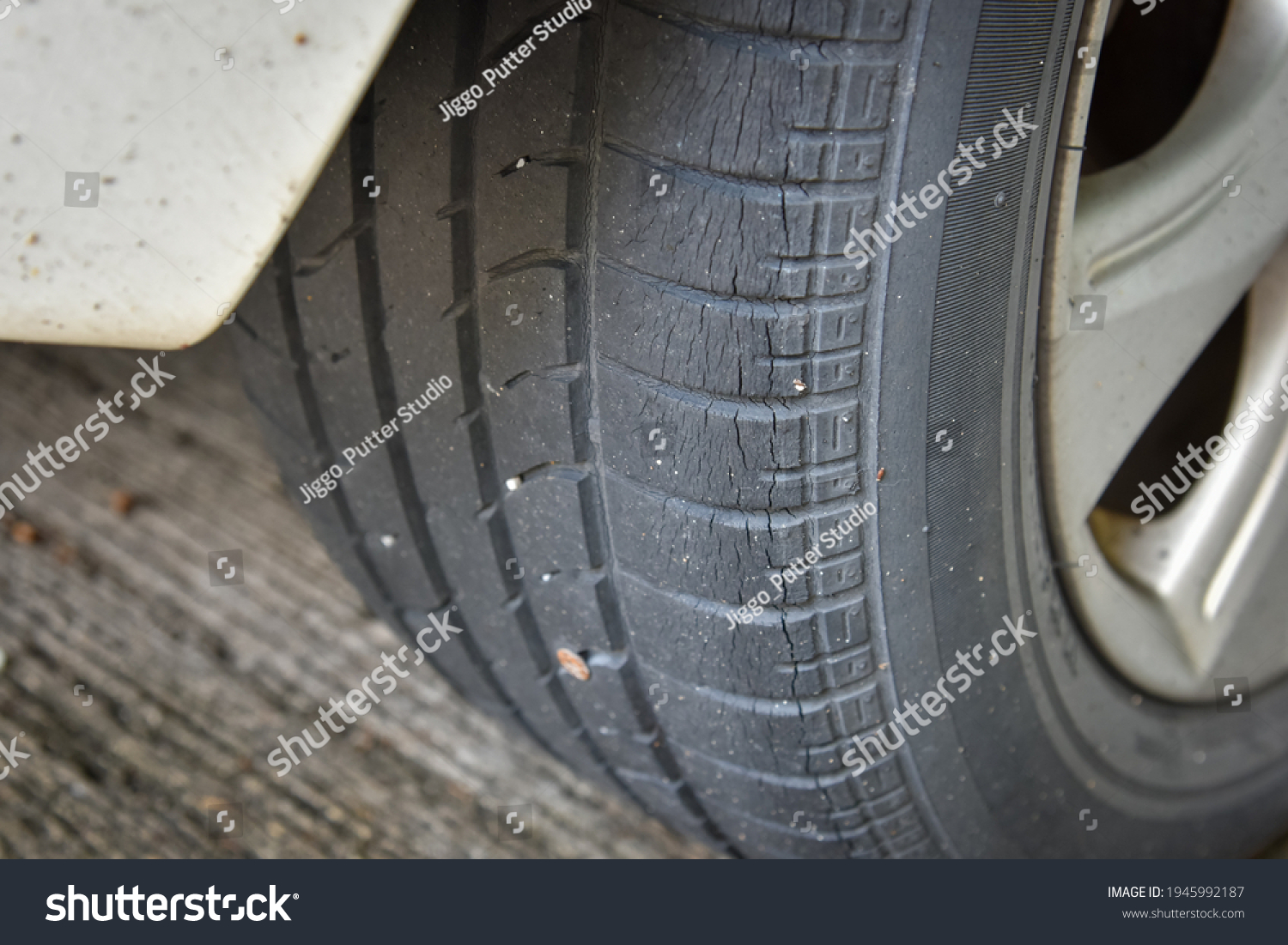
Electric vehicle tires, on average, experience a notably shorter lifespan compared to tires for gasoline-powered cars. Industry studies suggest that EV tires can wear out approximately 15% to 20% faster than their counterparts in conventional ICE vehicles. Some reports even indicate that under certain driving conditions or aggressive driving behaviors, the wear rate can increase up to 50%. This accelerated wear leads to more frequent and potentially higher costs for tire replacements among EV owners.
The typical lifespan for specialized EV tires generally falls between 30,000 and 40,000 miles; however, aggressive driving or the use of non-EV-specific tires may reduce this lifespan to as low as 7,000 to 10,000 miles for some drivers. In stark contrast, quality all-season tires on conventional vehicles are typically designed to last between 40,000 and 60,000 miles, with some potentially reaching 70,000 miles under optimal conditions. This discrepancy emphasizes the necessity of selecting the right tires and adhering to diligent maintenance practices for electric vehicles.
The accelerated wear of EV tires is primarily attributed to the specific demands they face, such as increased weight due to battery packs and the instantaneous torque offered by electric motors. This results in higher friction and stress on the tire material, accelerating tread wear. While proper maintenance practices like regular rotations and tire inflation can mitigate some wear factors, EV owners should expect to replace tires more frequently compared to traditional vehicle owners.
What Are the Key Features of Tires Designed Specifically for Electric Vehicles?
Tires engineered specifically for electric vehicles leverage cutting-edge technology and advanced material science to meet the distinctive challenges posed by EVs. These specialized EV tires display distinct characteristics compared to conventional tires in areas such as construction, tread compounds, and noise reduction features, all aimed at optimizing performance, efficiency, and longevity pertinent to electric powertrains.
A critical feature of EV tires is their reinforced construction. Given the considerable weight of electric vehicles—often exceeding 4,000 pounds—tires must be built with stronger sidewalls and elevated load ratings to effectively support the vehicle’s mass. Enhanced structural integrity ensures stability and handling while preventing premature tire failure under heavy loads. The tread patterns of EV-specific tires are optimized to maximize grip while minimizing the loss of energy, helping to extend driving range without compromising safety.
The rubber compounds utilized in EV tires are also specially formulated to address the unique stresses associated with electric motors’ immediate torque delivery. These formulations provide the necessary traction without incurring excessive wear. Additionally, many EV tires feature reduced rolling resistance, crucial for maximizing an electric vehicle’s range and energy efficiency. Lower rolling resistance reduces the energy demands on the tires, directly contributing to extending battery life between charges.
Furthermore, EV-specific tires often integrate noise-reduction technologies. Operating with minimal engine noise, electric vehicles render road noise from tires much more noticeable in the cabin. To mitigate this issue, several manufacturers incorporate sound-absorbing foam within the tire’s interior design, effectively dampening unwanted hum and enhancing comfort for occupants. This focus on acoustic comfort serves as a significant differentiator for tires purpose-built for electric vehicles.
Top EV Tire Brands and Models for Enhanced Durability and Performance
The evolution of the electric vehicle market has catalyzed tremendous progress in tire technology, prompting numerous manufacturers to roll out dedicated tire lines tailored to EVs’ unique demands. The right tire selection can dramatically improve an EV’s driving dynamics, performance, and longevity.
Leading tire brands have developed models targeting critical aspects like weight capacity, instantaneous torque response, and noise abatement. The Michelin Pilot Sport EV is celebrated for its high performance and quiet ride, while the Michelin e.Primacy excels in energy efficiency and longevity, making it ideal for everyday commuting. Goodyear’s ElectricDrive GT is meticulously engineered for premium EVs, focusing on high performance and efficiency.
Pirelli’s P Zero Elect and Hankook’s iON evo AS SUV are prized for their tailored attributes suited for electric and hybrid vehicles, emphasizing low rolling resistance, safety, and comfort. The Bridgestone Turanza EV prioritizes low rolling resistance, handling, and reduced noise levels, while the Yokohama ADVAN Sport EV A/S boasts excellent handling, secure braking, and a robust grip complemented by Silentfoam technology for noise reduction. These brands continually push boundaries, offering products that meet the rigorous requirements of an array of EV models, from sedans like the Tesla Model 3 to electric SUVs. When replacing tires, choosing the right electric car tires from specialized ranges is critical for optimal vehicle functionality and safety.
| Feature | Standard ICE Vehicle Tires | EV-Specific Tires |
|---|---|---|
| Typical Vehicle Weight Handled | Up to ~3,500 lbs | 3,500 to 5,000+ lbs (e.g., Tesla Model S ~4,941 lbs) |
| Torque Response | Gradual power delivery, less immediate stress | Instant, high torque delivery, requiring specialized grip |
| Average Lifespan (Mileage) | 40,000 to 60,000+ miles | 30,000 to 40,000 miles (can significantly decrease with aggressive driving) |
| Wear Rate vs. ICE Tires | Baseline | 15% to 20% faster wear |
| Rolling Resistance | Standard | Lower rolling resistance for enhanced driving range |
| Noise Reduction | Minimal focus, engine noise often masks tire sound | Often features incorporating sound-absorbing materials for cabin quietness |
| Cost Per Tire (Approx.) | $100 to $200 | $150 to $300+ (18-25% higher cost) |
FAQs About EV Tire Wear vs. Normal Tires
What is the average lifespan of an EV tire compared to a conventional tire?
The average lifespan of an EV tire specifically engineered for electric vehicles typically falls between 30,000 and 40,000 miles before replacement is necessary. In stark contrast, conventional tires used in gasoline-powered vehicles generally possess an extended lifespan, ranging from 40,000 to 60,000 miles, with some high-quality all-season tires reaching as high as 70,000 miles under optimal conditions and diligent care. This helps illustrate the accelerated wear rate of EV tires, which on average experience wear that is approximately 15% to 20% faster than traditional tires, leaning towards factors such as vehicle weight and instant torque response.
An essential take-home message for EV owners is to recognize that the unique demands placed upon EV tires warrant a heightened focus on tire selection and maintenance practices. Regular rotation, maintaining proper tire pressure, and timely replacements based on driving conditions are all critical in extending the lifespan of EV tires and ensuring safety and performance.
Do all EV models require special tires?
Though it is technically feasible to fit standard tires on an electric vehicle, it is strongly recommended to utilize tires specifically designed for EVs. EV-specific tires are engineered to handle the unique demands posed by electric vehicles’ heavier weight due to battery packs, along with high-stress torque delivery and the necessity for reduced rolling resistance to maximize range. Employing standard tires on an EV may result in significantly faster wear rates, reduced driving range, increased cabin road noise, and potentially lower safety due to compromised handling characteristics.
One key drawback of using conventional tires on an EV is the risk of experiencing anomalies during acceleration and braking. The specialized construction and rubber compounds of EV tires help support their specific requirements for traction, longevity, and reduced noise. Therefore, transitioning to tires explicitly designed for electric vehicles is paramount in ensuring optimal driving performance and safety standards are met.
How does the weight of an electric vehicle impact tire longevity?
The substantial weight of electric vehicles, largely attributed to their battery packs, profoundly affects tire longevity. Contemporary electric vehicles typically weigh at least 3,500 pounds, with several models, such as the Tesla Model S, exceeding 5,000 pounds. This increased mass exerts a considerably higher load on the tires, consequently leading to greater stress on tire structures and compounds. This correlation leads to elevated rolling resistance and heightened friction against road surfaces, ultimately accelerating tire tread wear in comparison to lighter ICE vehicles.
In addition to weight, the tire designs—such as the sidewall structure and tread pattern—are optimized to manage these increased loads and stresses. Therefore, for EV owners, comprehension of the interaction between weight, tire selection, and maintenance practices becomes vital in prolonging tire life and ensuring a safe driving experience.
Are EV tires more expensive than regular tires?
Yes, EV-specific tires typically command a higher price compared to standard tires designed for internal combustion engine vehicles. The elevated cost reflects the specialized technologies and materials incorporated into their construction, tailored to manage unique demands associated with electric vehicles. Examples of these enhancements include reinforced sidewalls to accommodate the additional load capacity, advanced rubber formulations designed to handle the instant torque delivered by electric motors, and often noise-reduction features that contribute to a quieter ride. It’s not uncommon for EV-specific tires to be priced 18-25% higher per tire than their conventional counterparts.
While the initial investment in EV-specific tires may be greater, many EV owners find that the performance and safety benefits that these tires provide ultimately justify the expense. Proper tire selection directly impacts overall vehicle efficiency, driving comfort, and safety, emphasizing the importance of making informed choices when it is time to replace tires.