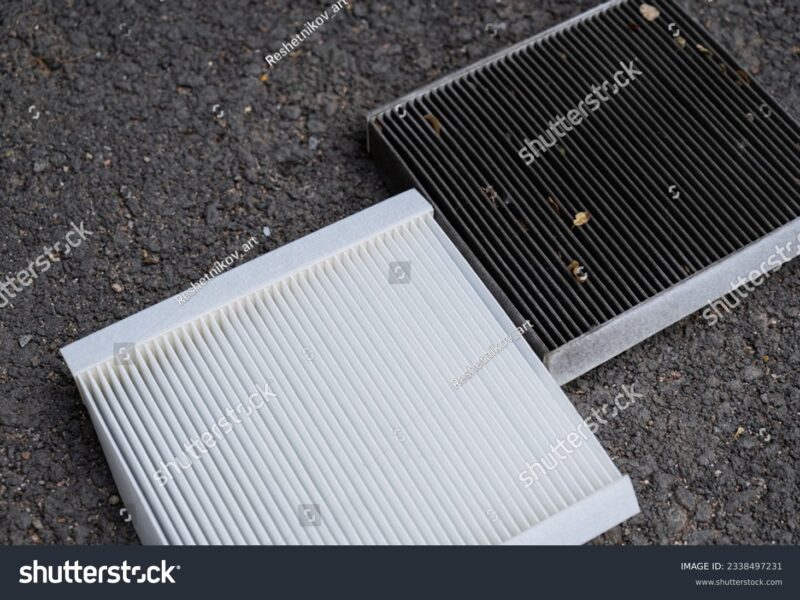
While the concept of extending the life of automotive components is appealing, the vast majority of cabin air filters are designed as single-use, disposable items that should be replaced, not cleaned or washed. Attempting to clean most standard cabin air filters made from pleated paper or synthetic fibers can severely compromise their filtration efficiency and potentially introduce new contaminants into your vehicle’s cabin, leading to reduced air quality and potential health concerns.
There are, however, specific types of premium, reusable cabin air filters crafted from durable materials like cotton gauze that are engineered for cleaning and re-oiling. These are an exception, and their cleaning process requires specialized kits and careful adherence to manufacturer instructions. For the typical driver, recognizing the limitations of standard filters and adhering to recommended replacement schedules is crucial for maintaining optimal in-cabin air quality and the efficient operation of your vehicle’s air conditioning system.
Should You Clean Your Cabin Air Filter, or Replace It?
For most standard cabin air filters, replacement is the unequivocally recommended course of action over cleaning. These filters, predominantly constructed from pleated paper or multi-layer synthetic blends, are engineered to trap microscopic particles such as dust, pollen, soot, and other allergens within their intricate fibrous structure. Once these pores become saturated with contaminants, the filter’s ability to effectively purify the incoming air is significantly diminished.
Automotive manufacturers, such as Toyota, Honda, and Ford, explicitly design these filters for finite use, often recommending replacement every 15,000 to 30,000 miles or at least annually, depending on driving conditions. Attempting to wash or clean these materials can cause the delicate fibers to break down, creating larger gaps that allow unfiltered air and debris to bypass the filtration media entirely. This not only negates the filter’s purpose but can also introduce moisture, leading to mold or bacterial growth within the HVAC system.
Furthermore, a partially cleaned or damaged filter cannot restore the optimal airflow crucial for your vehicle’s air conditioning system efficiency. A restricted airflow forces the blower motor to work harder, increasing energy consumption and potentially shortening the lifespan of your AC components. Therefore, for consistent performance and the health of your vehicle’s occupants, adhering to the recommended replacement schedule, as highlighted in Warning Signs of a Bad Cabin Air Filter and When to Replace It, is the superior choice.
Understanding Different Types of Cabin Air Filter Materials and Their Washability
The possibility of cleaning a cabin air filter largely depends on its construction material. Understanding these material differences is crucial for determining whether a filter is a single-use component or designed for maintenance. Most vehicles come equipped with either standard pleated paper/synthetic filters or activated carbon filters, neither of which is intended for washing.
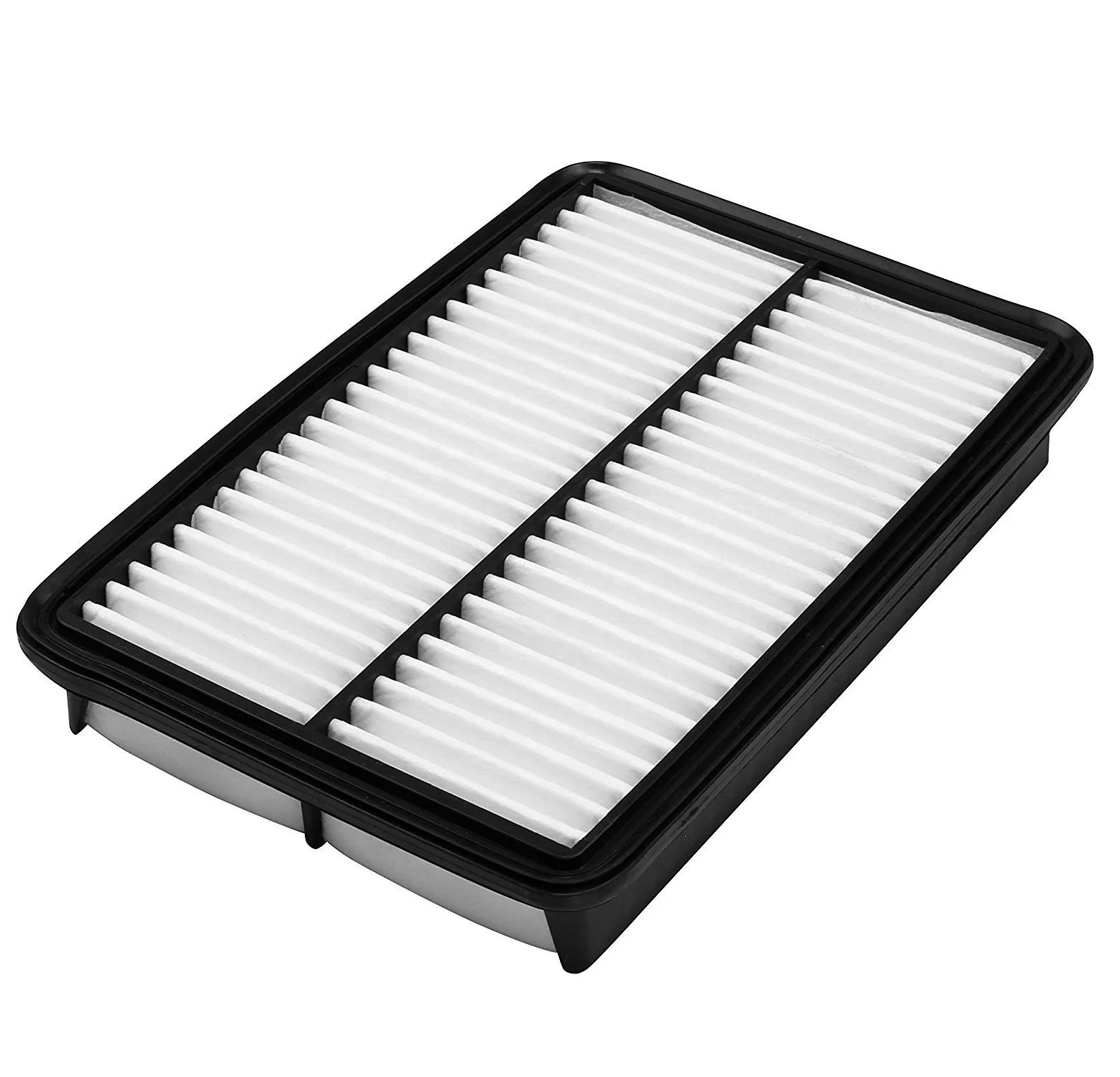
Standard pleated filters are typically made from dense paper or non-woven synthetic fibers. These materials are highly effective at physically trapping particulate matter but are not water-resistant. Washing them causes the pleats to degrade, the fibers to break apart, and the filter’s structural integrity to be compromised. This results in significantly reduced filtration capabilities, as large holes or weakened sections allow unfiltered air to pass through, defeating the filter’s purpose. Similarly, an activated carbon filter, which includes a layer of granulated activated charcoal, excels at absorbing odors and harmful gases in addition to filtering particulates. Washing an activated carbon filter will flush out the carbon granules, rendering its odor-absorbing properties completely ineffective and potentially leaving behind a soggy, ineffective barrier.
In contrast, a niche category of high-performance, reusable cabin air filters exists, often made from robust materials like cotton gauze or specialized synthetic meshes. Brands such as K&N or aFe Power, known for their washable engine air filters, also offer select reusable cabin filter applications. These filters are specifically designed to withstand washing with a dedicated cleaning solution, followed by a re-oiling process to restore their filtration efficiency. While an initial investment in these filters and their cleaning kits is higher, they can offer long-term cost savings and a more environmentally friendly option for specific vehicle models, provided the owner commits to the proper maintenance regimen.
The Risks of Cleaning and Reusing Non-Washable Cabin Air Filters
Attempting to clean and reuse a cabin air filter that is not explicitly designed for washing presents a multitude of risks, primarily compromising the in-cabin air quality and potentially damaging your vehicle’s HVAC system. When standard paper or synthetic fiber filters are exposed to water, their delicate filtration media can swell, weaken, and tear. This structural degradation creates larger gaps in the filter, allowing dust, pollen, exhaust fumes, and other airborne pollutants to bypass the filter and enter the passenger compartment unobstructed. The very purpose of the filter—to protect occupants from these irritants—is completely undermined.
Furthermore, an improperly dried filter becomes an ideal breeding ground for mold, mildew, and bacteria. Even if the surface appears dry, moisture can remain trapped within the pleats, leading to the rapid proliferation of microorganisms. When the AC system operates, these airborne spores and bacteria are then circulated directly into the cabin, causing unpleasant musty odors and potentially triggering allergic reactions or respiratory issues for vehicle occupants. This creates a far more detrimental environment than a merely dirty, dry filter.
Beyond health concerns, a compromised cabin air filter directly impacts the efficiency of your vehicle’s air conditioning system. A filter whose media has been damaged will either restrict airflow due to clumping or allow an excessive amount of particulate matter to reach the evaporator core. Debris accumulating on the evaporator can reduce its heat exchange capabilities, forcing the AC compressor and blower motor to work significantly harder to maintain a comfortable temperature. This increased strain not only leads to diminished cooling performance but also accelerates wear on expensive AC components, potentially resulting in costly repairs that far outweigh the savings from not replacing a disposable filter.
When to Definitely Replace Your Cabin Air Filter
Knowing when to definitively replace your cabin air filter is paramount for maintaining optimal vehicle performance and occupant health. The most straightforward indicators for replacement are the manufacturer’s recommended service intervals, which typically range from every 15,000 to 30,000 miles or at least once annually. These guidelines are based on average driving conditions and are crucial for proactive maintenance. However, certain environmental factors and observable symptoms can necessitate earlier replacement.
Specific warning signs clearly signal that your cabin air filter is failing and requires immediate replacement. These include a noticeable decrease in airflow from the AC vents, even when the fan is set to high, which indicates significant restriction. Persistent musty or stale odors emanating from the HVAC system, even after using air fresheners, suggest a buildup of mold, mildew, or trapped pollutants within the filter. Additionally, an increase in allergy symptoms for occupants, such as sneezing, coughing, or watery eyes while inside the vehicle, often points to a filter that is no longer effectively trapping allergens.
Driving conditions also play a critical role in filter longevity. Vehicles regularly operated in dusty environments, such as unpaved roads or construction zones, or in highly polluted urban areas with heavy traffic and industrial emissions, will accumulate contaminants much faster. In such scenarios, it is advisable to inspect and potentially replace the cabin air filter more frequently, perhaps every 7,500 to 10,000 miles or semi-annually, to ensure continued air quality and efficient operation of the air conditioning system. Proactive replacement prevents further degradation of air quality and potential strain on your vehicle’s HVAC components.
Comparative Table of Cabin Air Filter Types
| Filter Type | Primary Material | Washable? | Typical Lifespan (Miles) | Odor Filtration | Approximate Cost Range (USD) |
|---|---|---|---|---|---|
| Standard Pleated | Paper, Synthetic Fibers | No | 15,000 – 30,000 or 1 Year | Minimal | $10 – $30 |
| Activated Carbon | Paper/Synthetic + Activated Charcoal | No | 15,000 – 30,000 or 1 Year | Excellent | $20 – $50 |
| Reusable (e.g., K&N) | Cotton Gauze, Synthetic Mesh | Yes (with kit) | Up to 50,000+ (after cleaning) | Variable (Model Dependent) | $40 – $80 (initial) |
What are the primary functions of a cabin air filter?
The primary functions of a cabin air filter are multi-faceted, focusing on both passenger health and vehicle system integrity. First and foremost, it acts as a critical barrier, filtering out a wide range of airborne contaminants such as dust, pollen, soot, exhaust particles, and other allergens from the air that enters your vehicle’s passenger compartment through the heating, ventilation, and air conditioning (HVAC) system. This significantly improves the air quality inside the cabin, creating a healthier environment, especially for individuals with allergies or respiratory sensitivities.
Beyond human comfort, the cabin air filter also plays a vital role in protecting your vehicle’s sensitive HVAC components. It prevents larger debris, leaves, and excessive particulate matter from entering and accumulating on the evaporator core and blower motor. Accumulation on the evaporator can significantly impede its ability to cool the air, leading to reduced AC performance and potentially costly repairs. By intercepting these contaminants, the filter helps maintain the efficient operation and longevity of your entire climate control system.
How does a clogged cabin air filter affect AC performance?
A clogged cabin air filter significantly impedes your vehicle’s air conditioning (AC) performance by restricting the vital airflow into the passenger cabin. When the filter’s pleats are heavily loaded with trapped dust, pollen, and other debris, the volume of air that can pass through to the evaporator core and then to the cabin vents is drastically reduced. This direct restriction means that even if your AC compressor is functioning perfectly, the amount of cooled air reaching you is diminished, leading to a noticeable decrease in cooling efficiency and overall comfort.
Furthermore, this reduced airflow forces the blower motor, a key component of the HVAC system, to work much harder to push air through the clogged filter. This increased strain on the blower motor can lead to premature wear, higher electrical consumption, and potentially a shorter operational lifespan for the motor itself. The system struggles to maintain the desired temperature, consuming more energy and creating an uncomfortable environment for occupants. Recognising these issues, as detailed in Warning Signs of a Bad Cabin Air Filter and When to Replace It, is crucial for timely intervention.
What is the recommended replacement interval for a cabin air filter?
The recommended replacement interval for a cabin air filter typically ranges from 15,000 to 30,000 miles or at least once annually, whichever comes first. This guidance is usually provided by the vehicle manufacturer and is outlined in your car’s owner’s manual. For instance, many Ford and Chevrolet models suggest checking or replacing the filter every 20,000 miles, while some European luxury brands like BMW or Mercedes-Benz might have slightly different recommendations based on their specific filtration systems.
However, these are general guidelines, and the actual frequency of replacement can be heavily influenced by your driving conditions and environment. If you frequently drive in dusty rural areas, heavily polluted urban centers, or regions with high pollen counts, your cabin air filter will accumulate contaminants much faster than average. In such cases, it is highly advisable to inspect the filter every 6 months or 7,500 miles and replace it if it appears dirty or discolored, even if you haven’t reached the mileage threshold. Regular inspection and timely replacement ensure optimal air quality and the efficient operation of your vehicle’s air conditioning system.
Are there any alternatives to disposable cabin air filters?
Yes, there are alternatives to traditional disposable cabin air filters, primarily in the form of specialized reusable or washable filters. These filters are distinct from the standard paper or synthetic types found in most vehicles and are typically made from more durable materials like cotton gauze or a specialized synthetic mesh. Brands such as K&N and aFe Power, renowned for their performance engine air filters, also offer reusable cabin air filters for various car models.
The main advantage of these reusable filters is their longevity and environmental benefit, as they are designed to be cleaned, typically with a specific cleaning solution and a re-oiling process, rather than discarded after a single use. While the initial cost of a reusable cabin air filter is generally higher than a disposable one, the ability to clean and reuse it over many years can result in long-term cost savings. However, it is crucial to follow the manufacturer’s specific cleaning and re-oiling instructions precisely to maintain their filtration efficiency and avoid damage to the filter media.