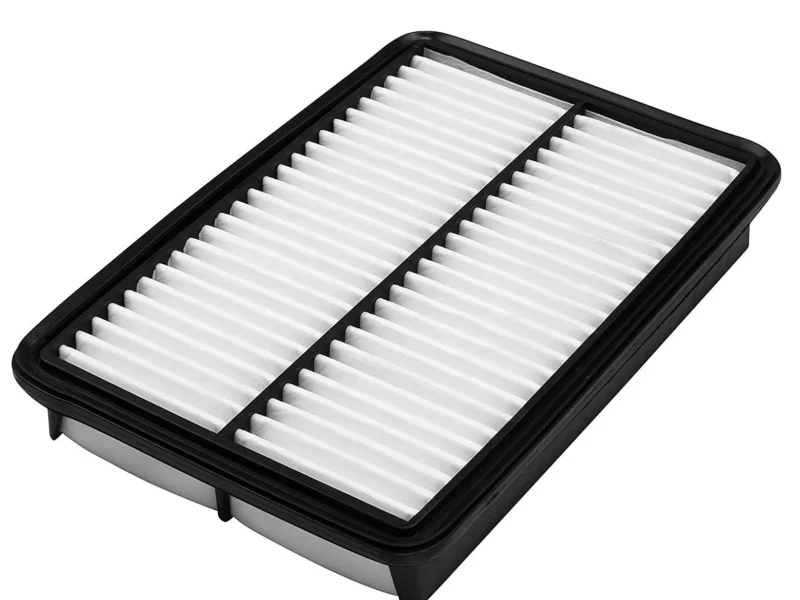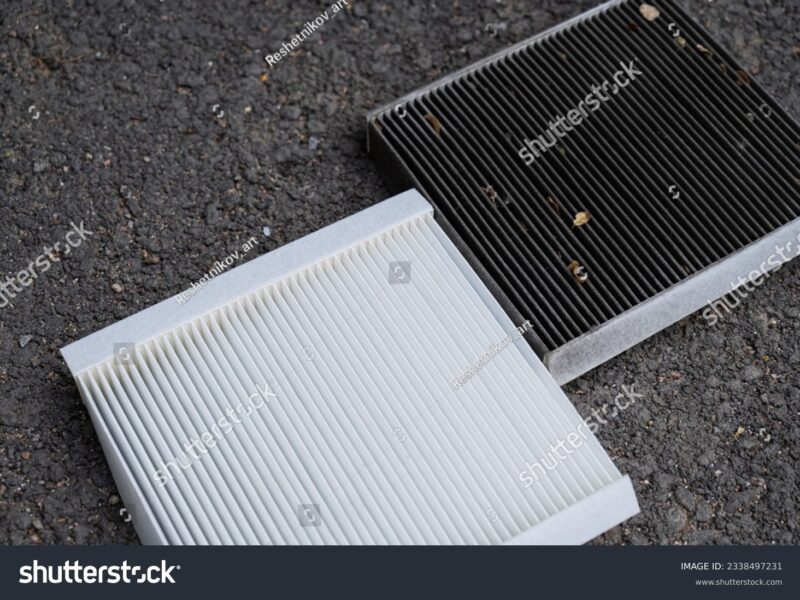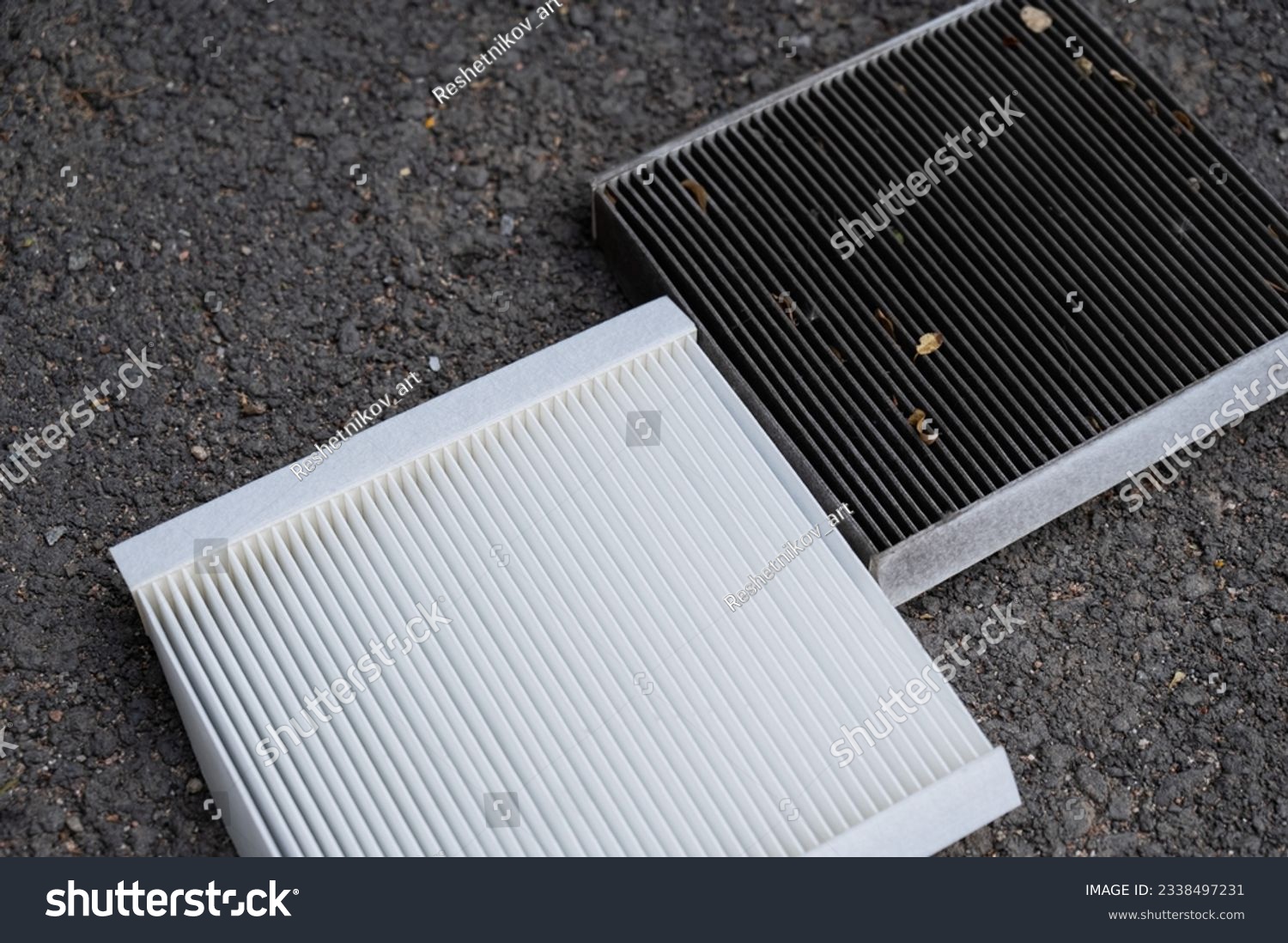
Changing your cabin air filter is an essential maintenance task for any vehicle owner, as it directly impacts the quality of air you breathe while driving. Typically, you should replace your cabin air filter every 15,000 to 30,000 miles or at least once a year. However, these intervals can vary significantly based on specific driving conditions and the manufacturer’s recommendations. Regularly changing your cabin air filter is crucial not only for maintaining optimal air quality but also for ensuring the efficient operation of your vehicle’s heating, ventilation, and air conditioning (HVAC) system.
What is the Recommended Replacement Schedule for a Cabin Air Filter?
The standard guideline for replacing the cabin air filter suggests an interval between 15,000 and 30,000 miles or approximately once every 12 months, whichever limit is reached first. This recommendation serves as a baseline; however, environmental factors and driving habits play a significant role in how quickly your filter accumulates debris and contaminants. For instance, if you frequently drive in dusty rural areas or high-traffic urban environments polluted with exhaust fumes, you could require a filter replacement much sooner than expected. Conversely, those who primarily drive in cleaner or less congested areas may find that their filters remain viable far longer, although it’s generally unadvisable to exceed the upper limit of the manufacturer’s guidelines.
Adhering to these service intervals is not merely a recommendation but a proactive measure to ensure both your health and comfort while driving. A clean filter enables your vehicle’s air conditioning system to operate optimally, ensuring a steady flow of fresh, filtered air. Neglecting this essential maintenance task can lead to compounding issues, ranging from diminished airflow to the circulation of allergens and pollutants. This can worsen the experience for passengers, especially those with respiratory sensitivities. For exact guidelines, always refer to your vehicle’s owner’s manual.
How Does Driving Condition Affect Cabin Air Filter Replacement?
Driving conditions greatly influence how often you should change your cabin air filter. For instance, if you typically drive 20,000 miles annually in a rural area with minimal traffic but significant dust exposure, your filter may require replacement much sooner than a vehicle driven 20,000 miles annually in a metropolitan area with moderate pollution levels. In urban settings, exhaust gases, soot, and dust can lead to a higher particulate load on the filter, making it necessary to change it more frequently—potentially every 10,000 to 15,000 miles.
Similarly, seasonal changes can impact filter performance. For example, during spring, if the pollen count is exceptionally high, vehicles might require more frequent replacements due to the influx of irritants. If you are driving in areas prone to wildfires, the smoke can create an additional buildup of soot and ash in the filter. Always monitor environmental cues and general air quality to gauge when your filter may need replacing, reinforcing the importance of regular inspection as part of your vehicle maintenance routine.
Lastly, some modern vehicles have advanced sensors that monitor the effectiveness of the cabin air filter. These alerts provide real-time feedback and can dictate replacement more accurately based on actual filter performance rather than adhering strictly to preset intervals. This keeps your HVAC system functioning efficiently, adapting to various environmental conditions over time.
What are the Key Indicators That Your Cabin Air Filter Needs Replacement?
It is crucial to recognize the warning signs indicating that your cabin air filter may be due for replacement. One immediate and common symptom is the noticeable decrease in airflow from your vehicle’s vents. If you find that the air feels weak or insufficient, even when the blower is set to its highest speed, it is a strong indicator that your filter is obstructed. During rigorous checks, compare airflow performance with previous experiences when the filter was new.
Another important sign of a compromised cabin air filter is the emergence of unpleasant or musty odors from the AC system while it’s in operation. A clogged filter can become a breeding ground for mold, mildew, bacteria, and various microorganisms, leading to persistent stale smells that could greatly diminish your driving experience and potentially impact your health. These odors are typically more pronounced when the AC is turned on initially, giving a clear indication of potential filter failure.
What is the Impact of a Clogged Cabin Air Filter on Your Vehicle and Health?
A severely clogged cabin air filter greatly impedes the performance of your vehicle’s air conditioning system. When saturated with debris such as leaves, dust, pollen, and road grime, the filter restricts the vital airflow needed for efficient cooling or heating. This restriction forces the blower motor to work overtime, leading to increased energy consumption and possible premature wear on HVAC components. Consequently, you may also experience reduced cooling or heating efficiency, with the system struggling to maintain a comfortable temperature in extreme weather conditions.
Beyond the impact on AC performance, a dirty filter raises concerns about air quality within your vehicle, posing potential health risks to occupants. The primary function of the filter is to trap harmful pollutants, allergens, and fine particulate matter before they enter the cabin. If this protective layer fails, contaminants circulate freely, raising allergens and irritants that could be harmful, especially for individuals with asthma or other respiratory issues. The presence of mold and mildew within a blocked filter can also release spores, compounding these health concerns further.
A clean cabin air filter, on the other hand, ensures optimal airflow while allowing the AC system to maintain consistent and comfortable temperatures, protecting passengers from airborne pollutants. Additionally, neglecting to replace the filter can lead to moisture buildup within the HVAC system, which promotes bacterial and fungal growth, potentially getting blown directly into the cabin and contributing to foggy windows or a less hygienic interior state.
What Types of Cabin Air Filters are Available and What are Their Benefits?
Cabin air filters come in several types, each designed to provide varying filtration levels according to specific needs and environments. The most common type is the particulate filter, typically made from pleated paper or synthetic fibers. This type primarily traps dust, pollen, leaves, and other large airborne particles. These filters are standard in many vehicles and provide essential protection against common irritants, resulting in a cleaner cabin atmosphere than a vehicle lacking this filter.
For enhanced filtration, activated carbon cabin air filters incorporate an additional layer of activated carbon, usually embedded within the filter material. This advanced layer effectively absorbs odors, harmful exhaust fumes, volatile organic compounds (VOCs), and other gaseous pollutants that traditional particulate filters fail to capture. Drivers in urban areas or those sensitive to unpleasant smells favor activated carbon filters due to their superior ability to maintain a pleasant cabin environment rather than being suffocated by fumes.
High-Efficiency Particulate Air (HEPA) cabin air filters are ideal for those who prioritize air purity, capturing extremely fine particles, bacteria, and even viruses, with an efficiency rate of 99.97% for particles as small as 0.3 microns. While not included as standard in all vehicles, HEPA-grade filters are becoming more readily available, particularly in premium models or as aftermarket upgrades. These filters cater to individuals with severe allergies, respiratory conditions, and concerns over air quality, significantly elevating the overall in-car experience.
| Filter Type | Primary Filtration | Odor/Gas Absorption | Typical Cost Range | Best For |
|---|---|---|---|---|
| Standard Particulate | Dust, pollen, leaves, and road debris | Minimal | $10 – $25 | Basic filtration, economical drivers |
| Activated Carbon | Dust, pollen, odors, fumes, VOCs | Excellent | $20 – $45 | Urban driving, allergy sufferers, odor sensitivity |
| HEPA Grade | Ultrafine particles (bacteria, viruses, PM2.5), dust, pollen | Good (usually includes carbon layer) | $30 – $70+ | Severe allergies, respiratory issues, premium air quality |
How to properly Change Your Cabin Air Filter: A Step-by-Step Guide
Replacing your cabin air filter is a straightforward maintenance task that many vehicle owners can perform themselves with minimal tools and a little bit of time. Generally, the filter’s location can differ significantly depending on the make and model of your vehicle. In most cars, you will find the cabin air filter behind the glove compartment, under the dashboard on the passenger side, or sometimes even under the hood near the firewall. Your vehicle’s owner’s manual will provide the exact location and step-by-step instructions for accessing it.
Once you locate the filter housing, the general procedure involves unfastening clips or screws, carefully removing the old filter while noting the direction of airflow indicated by an arrow on the filter, and inserting the new filter with the airflow arrow pointing correctly (usually downwards or towards the blower motor). It’s crucial to ensure that the new filter fits snugly within the housing to avoid any air bypass. For comprehensive guidance including visuals and specific tool recommendations, we strongly encourage referring to our dedicated article: 4 Warning Signs of a Dirty Cabin Air Filter and How to Replace It.
Always ensure you use a cabin air filter designed specifically for your vehicle’s make, model, and year to guarantee proper fitting and filtration efficiency. An incorrect filter could lead to poor air filtration, diminished airflow, or even damage to the HVAC system. Even though the task is typically simple, if you encounter any challenges or are uncertain, it’s prudent to consult a certified mechanic to ensure the job is conducted properly and safely.
Frequently Asked Questions about Changing Cabin Air Filters
Does replacing the cabin air filter improve AC performance?
Yes, switching out your cabin air filter can notably enhance your vehicle’s air conditioning (AC) performance. A clean filter facilitates unrestricted airflow, which is vital for the AC system’s efficiency in cooling or heating the cabin and maintaining a consistent, comfortable temperature. When the filter is blocked, it restricts airflow to the blower, causing the motor to consume more energy while working harder, which subsequently reduces the overall effectiveness of the climate control system. Installing a new filter quickly restores optimal airflow and can lead to significant improvements in the AC system’s capacity to regulate cabin temperature effectively.
Additionally, you may also notice that the AC system engages less frequently due to improved efficiency with a new filter, which can translate into less wear and tear on the components. This extends the lifespan of your vehicle’s HVAC system, saving you from costly repairs and improving your overall driving experience.
What are the common signs that indicate a dirty cabin air filter?
Some indicators that your cabin air filter requires replacement include a significant reduction in airflow from your vehicle’s vents, even when the blower is set on high. You might also detect odd or musty smells emanating from the AC system. These odors can point toward the prevalent growth of mold or mildew somewhere in the filter. Furthermore, increased dust accumulation on the dashboard or interior surfaces and exacerbated allergy symptoms for passengers can indicate that the filter is no longer efficiently trapping airborne particles. Pay attention to these symptoms, as they serve as early warnings for the responsible vehicle owner.
Should you notice any of these signs, it is advisable to inspect the cabin air filter promptly to mitigate air quality issues and maintain effective HVAC system performance. If you’d like to explore these symptoms further, check our detailed overview in our article: Warning Signs of a Bad Cabin Air Filter and When to Replace It.
How often should I conduct checks on my cabin air filter?
While the typical filter replacement interval is usually pegged at 15,000 to 30,000 miles or annually, it is advisable to visually inspect your cabin air filter at least every six months or during routine oil changes. This inspection allows you to gauge its condition based on actual driving environments. Those driving frequently on unpaved roads, through dusty zones, or in areas with high levels of pollution or pollen will likely need to conduct replacements more frequently to ensure the ongoing efficiency of both air quality and the HVAC system.
Monitoring your filter’s condition is essential for maintaining a comfortable and healthy driving environment. Keeping tabs on how often you drive in varying environments will help determine a workable replacement strategy tailored to suit your particular circumstances and driving patterns.
Is it possible to change the cabin air filter myself or should I consult a mechanic?
In most cases, replacing the cabin air filter is a simple DIY task, requiring minimal tools, generally a screwdriver, and only taking about 15 to 30 minutes of your time. Commonly, the filter can be found behind the glove compartment, under the dashboard, or even in the engine bay. Your vehicle’s owner’s manual will offer specific instructions and the exact location, akin to attaching a new air filter during routine maintenance. However, if you feel uneasy about performing basic automotive maintenance or cannot locate the filter easily, then visiting a certified mechanic is the smarter choice.
It is essential to consider your comfort level and experience with auto maintenance when deciding whether to handle the change yourself or seek professional assistance. Regardless of your choice, keeping your cabin air filter fresh is fundamental to sustaining high air quality and optimal air conditioning climate control.
What are the consequences of failing to change your cabin air filter?
Neglecting to update your cabin air filter can yield numerous negative repercussions. You will likely notice diminished airflow from your AC vents, which compromises the effectiveness of your climate control systems, potentially leading to a decrease in fuel efficiency as the blower motor strains to maintain airflow. Additionally, failure to change the filter can lead to unpleasant odors stemming from mold and mildew accumulating within the cabin, severely degrading the air quality. The inability of the filter to trap allergens and pollutants can worsen respiratory issues for those traveling within the vehicle.
Over time, if the cabin air filter becomes excessively clogged with debris, it could further damage the blower motor due to increased strain, leading to costly repairs. Ongoing neglect could necessitate more than just a filter change—serious climate control malfunctions may arise, underscoring the importance of regular maintenance tailored to the specific needs of your vehicle.