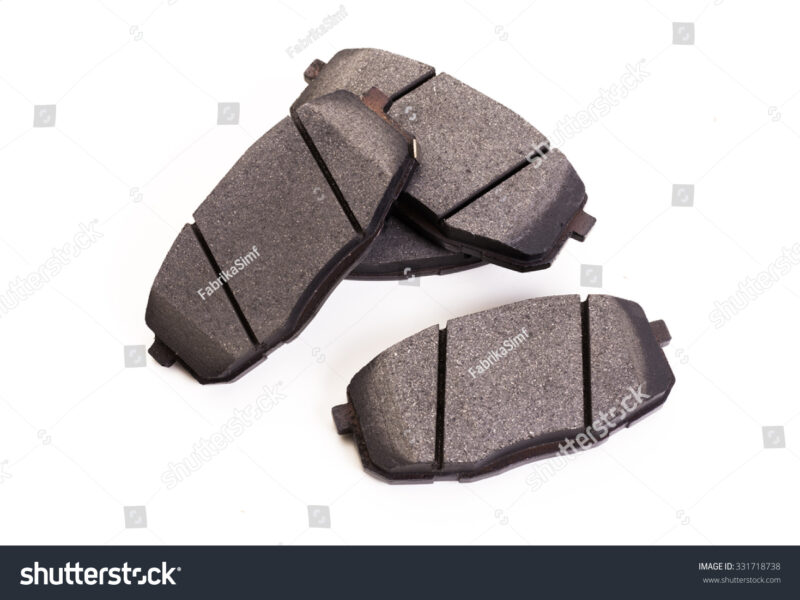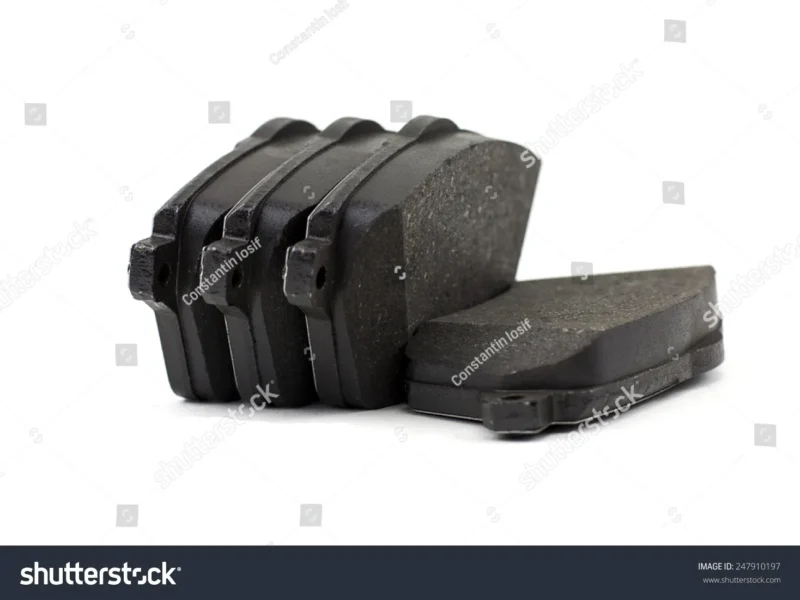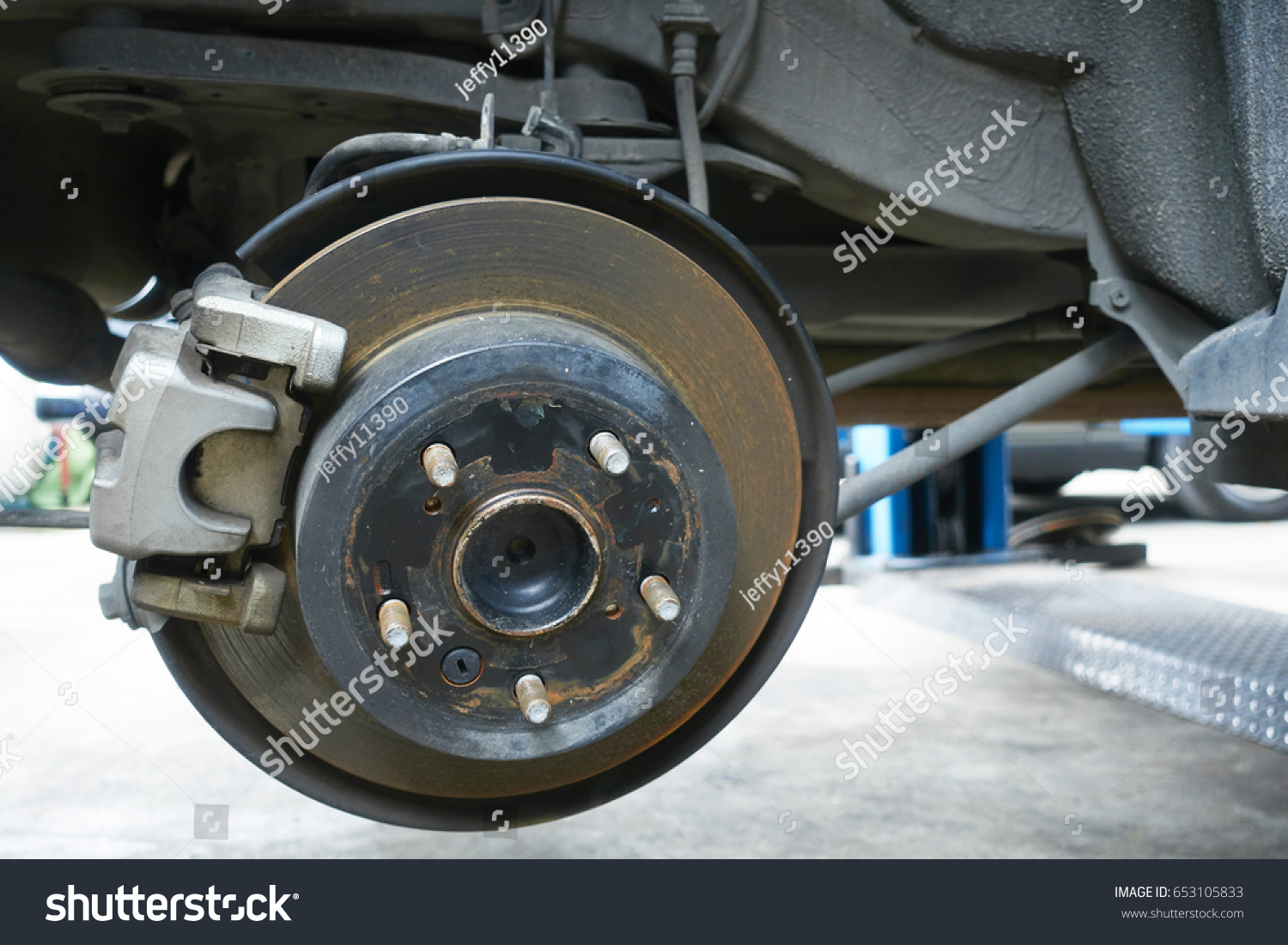
Brake pads typically last between 30,000 and 70,000 miles, though their exact lifespan is heavily influenced by driving conditions, vehicle type, and the materials they are made from.
What Factors Significantly Influence Brake Pad Lifespan?
The longevity of your vehicle’s brake pads is not a fixed number, but rather a dynamic range determined by several critical factors. Aggressive driving, characterized by frequent hard braking and rapid acceleration in stop-and-go city traffic, will inevitably accelerate wear. Conversely, driving predominantly on highways with fewer stops can extend pad life considerably, often allowing them to reach the higher end of their 30,000 to 70,000-mile lifespan range.
Vehicle specifications also play a crucial role in how long brake pads endure. Heavier vehicles, such as trucks and SUVs, exert greater force on their braking systems, leading to faster wear compared to lighter compact cars or standard sedans. High-performance or luxury vehicles, while often equipped with robust braking systems, may also experience quicker wear due to their design for demanding stopping power.
Beyond driving habits and vehicle characteristics, the quality and type of brake pad material significantly impact lifespan. Cheaper, lower-grade pads may offer a reduced initial cost but often wear out much faster, requiring more frequent replacements. Investing in premium brake pads, such as ceramic or high-quality semi-metallic options, typically provides extended durability and consistent performance.
What are the Different Types of Brake Pads and Their Lifespans?
Brake pads are manufactured from various materials, each offering a unique balance of performance, noise, dust production, and longevity. The three primary types are organic, semi-metallic, and ceramic, with their selection often depending on driving style and vehicle requirements.
Organic brake pads, often referred to as Non-Asbestos Organic (NAO) pads, are composed of materials like rubber, carbon, glass, and Kevlar, bound together with resins. They are generally quieter and produce less dust than semi-metallic pads. While they offer a softer pedal feel, organic pads tend to wear faster, making them suitable for everyday driving in less demanding conditions. Their lifespan often falls towards the lower end of the 30,000 to 70,000-mile range.
Semi-metallic brake pads are a popular choice, made from 30-70% metals like iron, copper, steel, and other composites. These pads excel in heat dissipation and offer excellent braking performance across a wide range of temperatures, making them ideal for heavier vehicles or more spirited driving. However, they can be noisier and produce more brake dust. Their lifespan typically sits in the middle to higher range, often lasting longer than organic pads.
Ceramic brake pads are engineered from ceramic fibers, filler materials, and bonding agents. They are renowned for their quiet operation, minimal dust production, and consistent performance across various temperatures. While often the most expensive option, ceramic pads provide exceptional durability and generally offer the longest lifespan among the three types, often reaching the upper end of the 70,000-mile mark or beyond under optimal conditions.
| Brake Pad Type | Typical Lifespan Range | Noise Level | Dust Production | Cost (Per Axle, Parts) | Key Advantages |
|---|---|---|---|---|---|
| Organic (NAO) | 30,000 – 45,000 miles | Low | Low | $30 – $50 | Quiet, softer pedal feel |
| Semi-Metallic | 35,000 – 60,000 miles | Moderate | High | $50 – $90 | Excellent stopping power, good heat dissipation |
| Ceramic | 40,000 – 70,000+ miles | Very Low | Very Low | $80 – $150+ | Quiet, clean, long-lasting, consistent performance |
How to Identify Warning Signs of Worn Brake Pads?
Recognizing the signs of worn brake pads is crucial for maintaining vehicle safety and preventing more extensive, costly repairs. Ignoring these indicators can lead to significant hazards on the road. One of the most common and alarming signals is a high-pitched squeaking or squealing noise that occurs upon braking. This sound often originates from built-in wear indicators, small metal tabs designed to alert drivers when the friction material has diminished to a critical level.
Another clear sign of deterioration is a grinding sound, which indicates that the brake pads are severely worn, and the metal backing plate is making direct contact with the brake rotor. This metal-on-metal friction can rapidly damage the rotors, leading to a much more expensive repair. A pulsating brake pedal or vibrations felt through the steering wheel during braking can also suggest warped rotors, often a consequence of overheated or excessively worn pads.
Beyond auditory and tactile signals, a visual inspection can confirm brake pad wear. If you can see that the friction material on your brake pads is less than 3 to 4 millimeters (approximately 1/8 inch) thick, it’s time for replacement. Some vehicles may also illuminate a brake warning light on the dashboard when pads reach their wear limit. For a comprehensive understanding of all potential alerts, refer to our detailed article on 7 Warning Signs You Need New Brake Pads: Don’t Ignore These!
What is the Minimum Safe Brake Pad Thickness?
Ensuring your brake pads maintain a safe minimum thickness is paramount for effective braking and overall vehicle safety. While new brake pads typically range from 10 to 12 millimeters (0.39 to 0.47 inches) of friction material, the generally accepted safety threshold for replacement is when the pad thickness falls below 3 to 4 millimeters (approximately 0.12 to 0.16 inches). Driving with pads thinner than this significantly compromises stopping power and increases the risk of brake failure.
Some brake pads are equipped with audible wear indicators that produce a high-pitched squeal when the friction material reaches about 3mm (1/8 inch), serving as an early alert. However, regular visual inspections are recommended, especially as pads approach the 5mm mark, to monitor their wear accurately. For commercial motor vehicles, specific regulations apply, with minimum thicknesses for disc brakes often cited at 3.2 mm (1/8 inch) and 1.6 mm (1/16 inch) for hydraulic disc or drum brakes.
It is always advisable to consult your vehicle’s owner’s manual or a certified mechanic for the precise minimum thickness specifications for your particular make and model. Disregarding these minimums can lead to metal-on-metal contact, damaging the brake rotors and potentially causing complete brake failure, underscoring the importance of timely replacement for optimal safety. You can find more comprehensive information on detecting wear in our article on Top Signs Your Brake Pads Need Replacement.
How Much Does Brake Pad and Rotor Replacement Cost?
The average cost to replace brake pads and rotors typically ranges from $300 to $800 per axle, with a complete four-wheel brake job ranging from $500 to $1,200 for most vehicles. This cost can fluctuate significantly based on several key factors, including the vehicle’s make and model, the type of parts used, local labor rates, and the complexity of the braking system. Replacing only brake pads, if rotors are still in good condition, can cost less, averaging $150–$300 per axle.
Luxury vehicles or high-performance cars often require specialized brake components, which are typically more expensive than those for standard sedans or compact cars. For example, rotors for European or performance vehicles can cost $70–$150+ each, compared to $40–$90 each for most domestic/Japanese vehicles. This difference is primarily due to the need for higher-grade materials and precision engineering in specialized parts, which drives up both parts and labor costs.
Labor costs represent a substantial portion of the total repair bill, with hourly rates varying widely from approximately $80 to $200 per hour at independent shops and up to $220 per hour at dealerships. A standard brake pad replacement on one axle typically takes 1 to 1.5 hours, while replacing both pads and rotors on one axle can take 1.5 to 2.5 hours. A full four-wheel brake job, including pads and rotors, generally requires 3 to 4 hours of labor. For a detailed breakdown of costs, refer to our 2026 price guide: How Much Does it Cost to Replace Brake Pads and Rotors? (2026 Price Guide).
FAQs About Brake Pad Lifespan and Replacement
How often should I have my brake pads inspected?
It is recommended to have your brake pads inspected at least once a year or every 12,000 miles, whichever comes first. Many automotive service centers offer free brake inspections as part of routine maintenance services like oil changes. Regular checks help detect wear early, allowing for timely replacement before minor issues escalate into more significant and costly problems, ensuring optimal safety and performance of your braking system.
Can I replace brake pads myself, or should I go to a professional?
While replacing brake pads can be a DIY project for experienced individuals with the right tools and knowledge, it is generally recommended to have a professional mechanic perform the service. Brakes are a critical safety component of your vehicle, and improper installation can lead to severe safety hazards. Modern vehicles, especially those with electronic parking brakes, often require specialized diagnostic tools to retract calipers, making professional intervention necessary. A professional installation ensures correct fitment, proper lubrication of components, and a comprehensive safety inspection, offering peace of mind.
What happens if I don’t replace my brake pads when they are worn?
Ignoring worn brake pads can lead to severe consequences. The most immediate risk is reduced stopping power, significantly increasing your vehicle’s stopping distance and the likelihood of an accident. Continued driving on worn pads will result in metal-on-metal contact, which can severely score and damage your brake rotors, necessitating their replacement along with the pads, thereby increasing repair costs significantly. In extreme cases, complete brake failure can occur, posing a critical safety risk to you and other road users.
Do brake pads wear evenly on all four wheels?
No, brake pads typically do not wear evenly on all four wheels. Front brake pads usually wear out faster than rear brake pads because the front brakes handle approximately 60-70% of the vehicle’s stopping power during braking. Factors like vehicle weight distribution, driving habits, and even differences in caliper design between the front and rear axles contribute to this uneven wear. It’s common to replace front pads twice for every one time you replace the rear pads, though this can vary by vehicle and driving style.
What is “brake bedding-in” and why is it important?
Brake bedding-in, also known as “burnishing” or “break-in,” is a crucial process performed after new brake pads and rotors are installed. It involves a series of moderate stops from varying speeds to gradually heat up the new components. This process transfers a thin, even layer of friction material from the pads onto the rotors, optimizing braking performance and reducing the likelihood of noise, judder, and premature wear. Proper bedding-in ensures that the pads and rotors are perfectly matched, maximizing their lifespan and stopping efficiency from the outset. Many professional services include a bedding-in procedure and road test after installation.