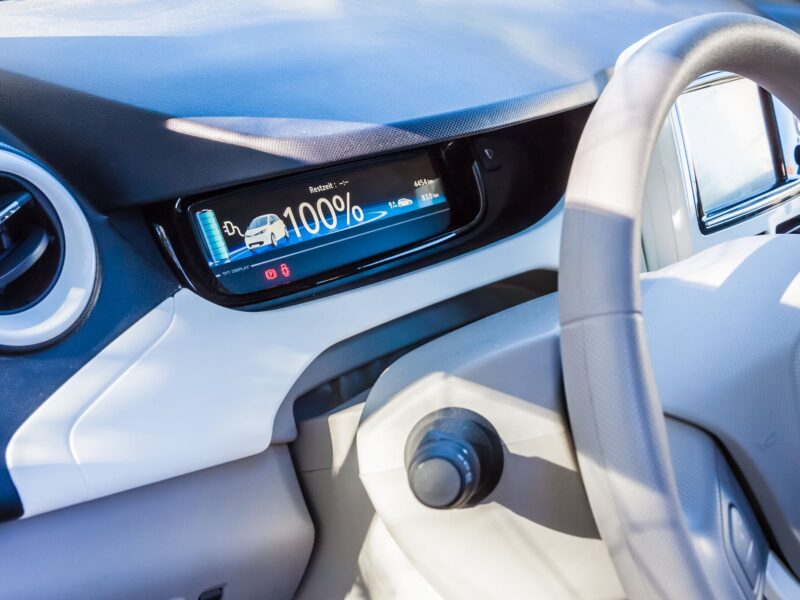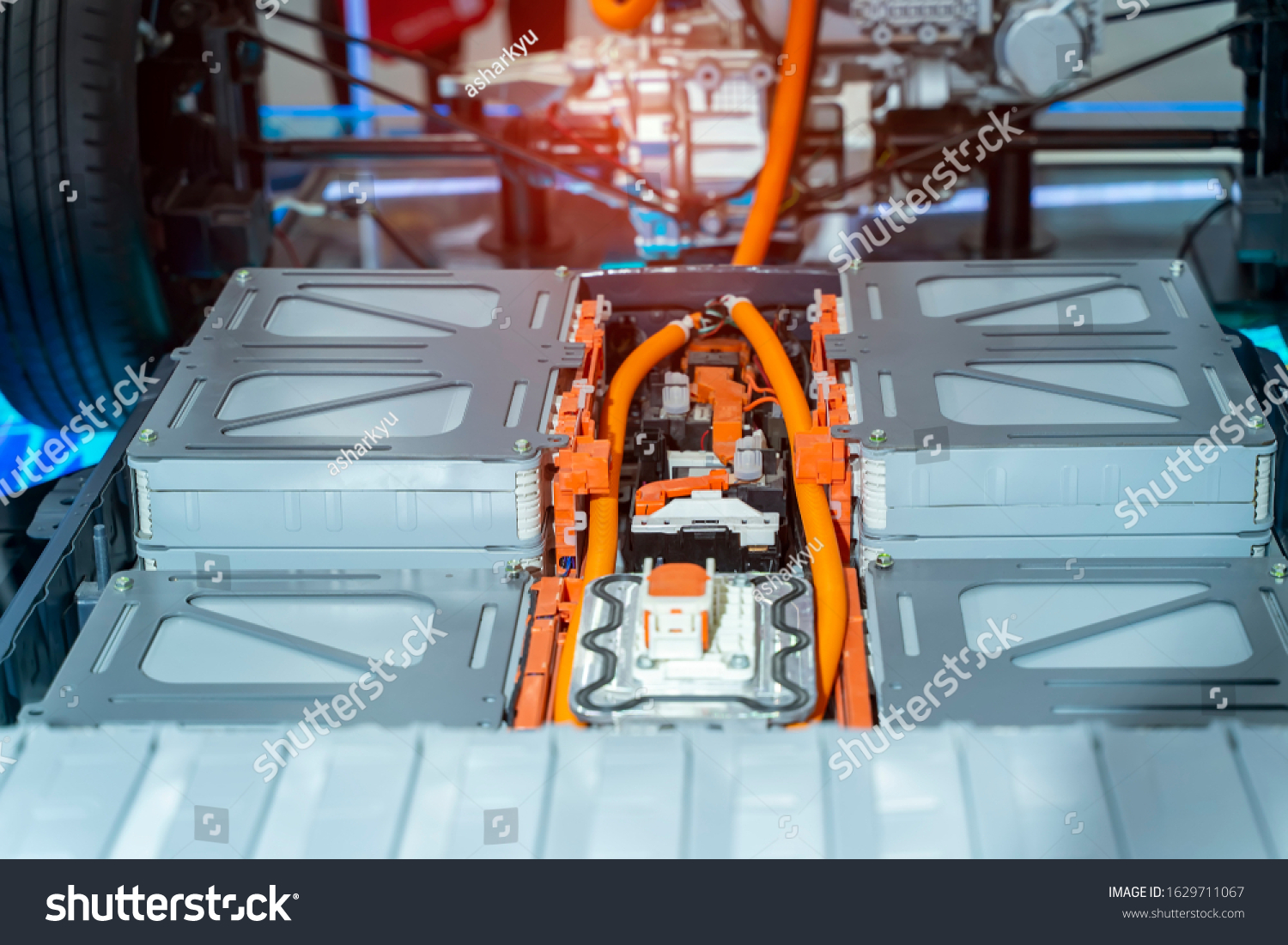
As of 2026, the cost of an electric vehicle (EV) battery replacement typically ranges from approximately $5,000 to $22,000+, though a comprehensive understanding requires delving into specific models, battery chemistries, and labor considerations.
This wide range is influenced by numerous technical factors, including the battery’s energy capacity, its specific chemistry (e.g., NMC, LFP), and the vehicle’s make and model. While initial reports cited replacement costs for older EV batteries between $3,000 and $7,000, newer vehicles with larger battery packs, especially luxury models, can incur significantly higher expenses.
However, it is crucial to note that battery prices have been on a consistent downward trend. Projections indicate that pack-level costs, which were around $111/kWh in 2024, are expected to fall to approximately $80/kWh by 2026 and potentially $60/kWh by 2030. This trajectory suggests that future replacements will become more affordable over time, mitigating some of the long-term ownership concerns for EV drivers.
What Influences EV Battery Replacement Costs in 2026?
The total expense of an EV battery replacement in 2026 is determined by a complex interplay of factors, extending beyond just the raw material costs. Foremost among these is the battery pack’s energy capacity, measured in kilowatt-hours (kWh). Larger battery packs, such as those found in premium vehicles like the Tesla Model S, inherently require more materials and sophisticated thermal management systems, leading to higher replacement costs.
Battery chemistry also plays a significant role. Lithium-ion (Li-ion) batteries are the standard, but variations like Nickel Manganese Cobalt (NMC) and Lithium Iron Phosphate (LFP) have different material costs and manufacturing complexities. The ongoing advancements in cell design, such as cell-to-pack architectures that eliminate traditional modules, are simplifying internal structures and reducing production expenses.
Beyond the battery itself, the age and condition of the vehicle influence costs, particularly concerning warranty status. Vehicles outside their manufacturer’s warranty period, typically 8 to 10 years or 100,000 miles, will incur full out-of-pocket costs for replacement. Furthermore, regional labor rates, the specific service center (dealership vs. independent specialist), and the availability of new, refurbished, or remanufactured packs significantly impact the final price. For a deeper understanding of these variables, consult our detailed article on Electric Car Battery Replacement Cost: What to Expect & How to Save.
Projected EV Battery Replacement Costs by Model (2026 Outlook)
While general ranges provide a baseline, actual EV battery replacement costs in 2026 are highly model-dependent, reflecting differences in battery capacity, design, and market availability. Projections indicate that mainstream EV battery replacements for models like the Nissan Leaf or Chevrolet Bolt EV could range from $3,000 to $7,000 for smaller packs, with larger or luxury EV packs commanding $15,000 to $30,000+.
For instance, a Tesla Model S with its larger battery capacity generally faces higher replacement costs, often ranging from $13,000 to $18,000 for an uncomplicated full replacement, with some cases reaching over $20,000+. In contrast, a Nissan LEAF 40 kWh pack might range from $7,000-$10,000, while a 60/62 kWh pack could be $10,000-$15,000+. These figures include both the battery component and associated labor, and prices are subject to ongoing market dynamics and technological advancements. The consistent decline in battery cell costs, projected to reach $80/kWh by 2026, is a key driver in making these replacements more attainable over time.
The availability of third-party remanufactured battery packs is also providing more cost-effective options, often undercutting OEM prices by 30-50%. Companies like Greentec Auto and re/cell are offering refurbished units, providing alternatives for owners of out-of-warranty vehicles. For an extensive model-by-model breakdown and factors specific to the current year, refer to our comprehensive guide on How Much Does an EV Battery Replacement Cost in 2026? (Model by Model).
Estimated EV Battery Replacement Costs by Model (2026)
| EV Model | Estimated Battery Capacity (kWh) | Projected Replacement Cost Range (2026, Installed) | Notes |
|---|---|---|---|
| Nissan LEAF (40 kWh) | 40 | $7,000 – $10,000 | Benefits from high market maturity and availability of refurbished units. |
| Chevrolet Bolt EV (60/66 kWh) | 60-66 | $4,000 – $7,000 (aftermarket packs up to $9,000) | Lower costs due to market maturity, abundant parts, and aftermarket support. |
| Tesla Model 3 (Standard Range) | 50-60 | $8,000 – $12,000 | Reflects mid-range capacity and increasing component availability. |
| Tesla Model S (Long Range/Performance) | 85-100 | $13,000 – $18,000+ | Higher capacity and premium design drive increased costs. |
| Kia EV6 (77.4 kWh) | 77.4 | $9,000 – $11,000 | Shared platform with Hyundai Ioniq 5 contributes to reasonable economics. |
| Ford Mustang Mach-E (70-91 kWh) | 70-91 | $20,000 – $35,000+ | Costs vary significantly by range and drivetrain; module-level service may be an option. |
Understanding Your EV Battery Warranty and Its Impact on Costs
A critical consideration for any EV owner, particularly prospective buyers, is the manufacturer’s battery warranty. In the U.S., all new EVs come with a federally mandated minimum warranty for the high-voltage battery of 8 years or 100,000 miles, whichever occurs first. Many manufacturers often exceed these minimums, and some states, like California, have specific regulations that can extend coverage or set higher capacity retention thresholds.
This warranty typically covers manufacturing defects and abnormal battery degradation, often stipulating that the battery must retain at least 70% of its original capacity throughout the warranty period. It is essential to understand that this does not guarantee original range performance, but rather a minimum state of health. Should a battery fall below this threshold or experience a covered defect within the warranty period, the manufacturer is responsible for repair or replacement, often at no cost to the owner.
However, if the vehicle surpasses these mileage or age limits, or if damage is outside the scope of the warranty (e.g., accident damage, misuse), the owner becomes fully responsible for the replacement cost. Given that these costs can be substantial, thoroughly understanding the warranty terms is paramount for financial planning. New EV buyers should prioritize this information, as detailed in our guide on Electric Car Battery Warranties and Replacement Costs: What New EV Buyers Need to Know in 2026.
Deconstructing EV Battery Replacement Costs: Components vs. Labor
The total cost of an EV battery replacement is bifurcated into two primary components: the physical battery pack itself and the labor required for its diagnosis, removal, and installation. The battery pack represents the overwhelming majority of the expense, typically accounting for 80-90% of the total. This component cost is driven by the raw materials (lithium, cobalt, nickel), sophisticated cell manufacturing, complex module assembly, and integrated battery management systems (BMS) with cooling mechanisms.
Even with falling per-kWh battery prices, the sheer size of modern EV battery packs—many in the 60-100 kWh range, and larger for trucks and SUVs—means the total component cost remains significant. Furthermore, the evolution of structural battery designs, where the battery is an integral part of the vehicle’s chassis, can complicate replacement, potentially increasing both component and labor costs due to specialized assembly requirements.
Labor costs, while a smaller percentage, are not insignificant and can range from $500 to $2,500+, with some estimates going up to $3,500+. The labor involves specialized high-voltage certified technicians who perform intricate tasks: safely disconnecting the high-voltage system, carefully removing the heavy battery pack (which can weigh several hundred pounds), installing the new or refurbished unit, and recalibrating the vehicle’s software. This process requires specialized tools and adherence to stringent safety protocols, often taking several hours or even a full day of work, depending on the vehicle’s design and the complexity of the job.
Strategies to Minimize EV Battery Replacement Expenses
While the prospect of a high-cost EV battery replacement can be daunting, several strategies can help mitigate potential expenses. The most fundamental is meticulous adherence to the manufacturer’s warranty terms. Ensuring all scheduled maintenance is performed by certified technicians and retaining comprehensive service records can be crucial if a warranty claim becomes necessary. Understanding the specific degradation thresholds covered by your warranty is also vital.
For vehicles nearing the end of their warranty or already outside its coverage, exploring certified refurbished or remanufactured battery packs can offer substantial savings. These options often cost 30-50% less than new OEM packs and can provide a second life for an EV, although their warranties might be shorter. Independent EV repair specialists frequently offer these alternatives and can provide more competitive labor rates compared to dealership service centers, while still ensuring qualified high-voltage work.
Proactive battery health monitoring and conscientious driving habits can also contribute to extending battery lifespan, thereby delaying the need for replacement. Avoiding extreme charging habits (e.g., constant fast charging to 100%), minimizing prolonged exposure to extreme temperatures, and maintaining a moderate state of charge can all help preserve battery health over many years. Consulting reputable EV battery health reports can provide insights into your vehicle’s specific degradation patterns.
Frequently Asked Questions About EV Battery Replacement Costs
What is the average cost of an EV battery replacement in 2026?
In 2026, the average electric vehicle (EV) battery replacement cost typically ranges from $5,000 to $22,000 or more, though this figure can vary significantly based on the vehicle’s make, model, battery capacity, and the type of replacement chosen (new, refurbished, or remanufactured). For instance, smaller packs like those in some Nissan LEAF models might be on the lower end, while a Tesla Model S can incur costs upwards of $13,000 to $18,000+.
How long do EV battery warranties typically last?
Most EV battery warranties in the U.S. provide coverage for at least 8 years or 100,000 miles, whichever comes first. These warranties generally cover manufacturing defects and abnormal capacity degradation, often guaranteeing that the battery will retain at least 70% of its original capacity throughout the coverage period.
Why are some EV battery replacements, like the Tesla Model S, more expensive?
The higher cost for models like the Tesla Model S stems primarily from their larger battery capacities and the sophisticated, premium materials used in their construction. A Model S battery pack, which can be 85-100 kWh, contains more cells and complex thermal management systems than a smaller EV battery. This increased complexity and material volume directly translate to a higher replacement cost compared to vehicles with smaller, less powerful battery packs.
Does battery degradation beyond warranty coverage affect replacement cost?
Yes, if your EV battery degrades significantly beyond its warranted threshold (typically 70% capacity) and the warranty has expired or the degradation is deemed “normal wear” outside specific defect coverage, you will be responsible for the full replacement cost. This emphasizes the importance of understanding warranty terms and considering certified refurbished options for out-of-warranty vehicles.
Can I get an aftermarket EV battery for replacement?
Yes, the market for aftermarket and remanufactured EV battery packs is growing. Companies like Greentec Auto and re/cell specialize in offering refurbished or remanufactured battery units, which can often be 30-50% more affordable than new OEM (Original Equipment Manufacturer) packs. These options provide viable alternatives for out-of-warranty vehicles and can significantly reduce the overall replacement expense.