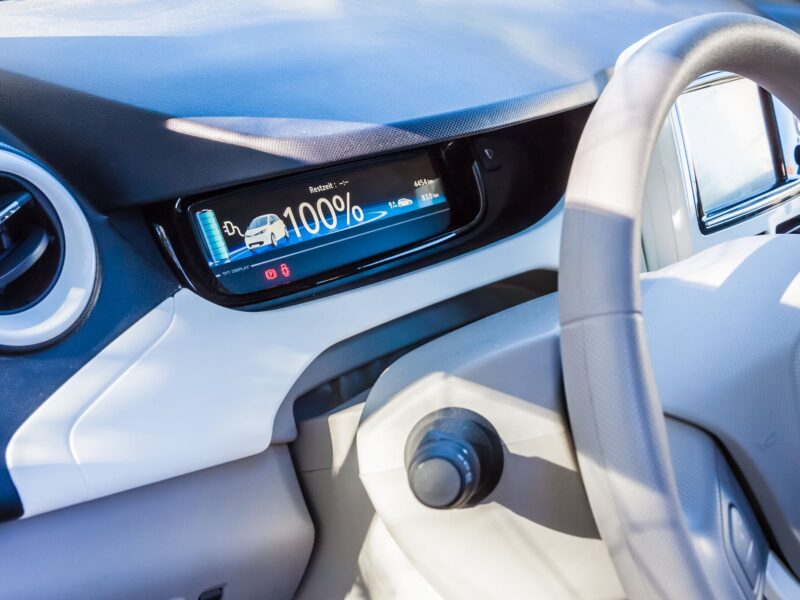
The landscape of electric vehicle (EV) battery replacement is undergoing significant evolution as we move into 2026. The cost of replacing electric car batteries will vary widely depending on the make and model of the vehicle, the type of battery technology utilized, and the battery’s capacity itself. For instance, as of 2023, replacing a battery typically costs between $3,000 to $7,000. This figure emphasizes the need for strategic financial planning as the EV market continues to mature, making it essential for current and prospective EV owners to understand these dynamic replacement costs.
What Factors Influence Electric Car Battery Replacement Costs?
Electric vehicle battery replacement costs are influenced by an array of factors, with the vehicle model being a primary determinant. For example, vehicles such as the Tesla Model S often have replacement costs reaching around $7,000. This higher cost is attributed to its advanced battery technology and a larger capacity of 100 kWh. Conversely, budget-friendly vehicles like the Nissan Leaf have average replacement costs closer to $5,000, mainly due to their smaller 62 kWh battery. This disparity illustrates how battery size and technology directly impact the financial implications for EV owners.
Battery chemistry is another critical aspect influencing EV battery replacement costs. Lithium-ion batteries, widely used in most electric vehicles, vary greatly in pricing based on their chemistry and construction. More advanced battery chemistries, such as nickel-cobalt-aluminum (NCA) or lithium iron phosphate (LFP), often see costs on the higher end due to their enhanced performance and longevity. Furthermore, manufacturers’ warranties can significantly affect the out-of-pocket costs associated with battery replacements, given that many manufacturers offer warranties between 8 to 10 years (or up to 100,000 miles), protecting consumers against unexpected replacement expenses during these periods.
Moreover, the age and condition of the existing battery substantially influence the replacement needs. Batteries that degrade quickly due to poor care or extreme weather conditions may necessitate more frequent replacements, resulting in higher cumulative costs over time. As prospective buyers consider purchasing an EV, thorough research on the battery technology and related warranty coverage becomes paramount.
How Do Specific EV Models Compare in Terms of Battery Replacement Costs?
| EV Model | Average Replacement Cost | Battery Capacity (kWh) | Warranty (Years/Miles) |
|---|---|---|---|
| Tesla Model S | $7,000 | 100 | 8 years/100,000 miles |
| Nissan Leaf | $5,000 | 62 | 8 years/100,000 miles |
| Chevrolet Bolt EV | $6,000 | 66 | 8 years/100,000 miles |
| Ford Mustang Mach-E | $6,500 | 88 | 8 years/100,000 miles |
This comparative analysis of specific EV models provides clarity to prospective buyers regarding the financial implications of battery replacement. By showcasing battery capacities and associated costs, it becomes evident how technological advancements and market positioning influence pricing strategies. The table emphasizes not only the financial impact of battery replacement but also illustrates the variability present in the EV market.
What Strategies Can Help You Save on Electric Car Battery Replacement Costs?
In the quest for saving on electric car battery replacement costs, several practical strategies can be implemented. Firstly, understanding your vehicle’s warranty conditions can significantly reduce out-of-pocket expenses. For instance, Tesla owners, who maintain their vehicles within the warranty limits, can avoid the steep costs associated with battery replacements, as issues arising during the warranty period are typically covered by the manufacturer, thus saving them upwards of $7,000 in replacement costs.
Additionally, incentives offered by manufacturers such as trade-in discounts for returning used batteries or reduced rates for replacements provide economic solutions for both the manufacturers and consumers. Engaging with community forums or EV clubs can yield valuable insights about cost-effective servicing options and trusted repair shops, further enhancing the owner’s ability to manage battery-related costs effectively.
Proactive battery management plays a crucial role in extending the lifespan of batteries and deferring the need for replacements. Owners should routinely check charging practices, avoid extreme temperature exposures, and ensure the battery is not fully discharged frequently. Regularly scheduled maintenance and software updates from manufacturers can optimize battery performance, helping delay the need for replacement. For further insights on managing EV maintenance effectively, refer to our detailed analysis in the article on Understanding the True Costs of Electric Vehicle Maintenance in 2026.
What Are the True Costs of Electric Vehicle Maintenance, Including Battery Replacement?
The annual maintenance costs for electric vehicles demonstrate a significant financial advantage over traditional gasoline vehicles, projected to range from $300 to $600 annually by 2026. In contrast, conventional vehicles typically incur annual maintenance costs between $400 to $800. This variance indicates potential savings for EV owners, largely attributed to the lower mechanical complexity and reduced number of moving parts present in electric vehicles.
In addition to routine maintenance, understanding the long-term costs associated with battery replacements is crucial. Given that EV batteries can last anywhere from 8 to 15 years depending on usage and care, owners who proactively manage their batteries can significantly benefit from lower long-term expenses. This financial perspective becomes increasingly significant as prospective buyers weigh the economic benefits of transitioning from gasoline to electric vehicles, reinforcing the long-term value proposition of EV ownership in today’s sustainability-driven market.
FAQs
What Is the Average Cost to Replace an EV Battery in 2026?
The average cost to replace an electric vehicle battery in 2026 typically ranges from $3,000 to $7,000 depending on the model and battery capacity. For instance, a high-end vehicle like the Tesla Model S may have replacement costs that exceed $7,000, attributable to its advanced technologies and larger capacity. In contrast, popular models such as the Nissan Leaf may incur costs around $5,000, showcasing the economic implications of selecting specific battery technologies.
It’s important to consider localized market variations that may affect these figures. Battery prices can vary greatly based on geographical location and access to service providers, as well as specific warranty terms provided by manufacturers. By understanding these costs, consumers can better anticipate potential expenses related to battery replacements in their financial planning.
Are There Warranties for Electric Car Batteries?
Yes, manufacturers of electric vehicles typically provide robust warranties covering the battery for periods ranging from 8 to 10 years or up to 100,000 miles—whichever comes first. This coverage is vital as it protects owners from potential high costs associated with battery replacements, especially during the initial years of ownership, significantly influencing an EV’s overall cost structure.
Prospective buyers should closely scrutinize warranty terms when selecting an electric vehicle. Variations in warranty coverage can have significant implications for ownership costs and battery maintenance responsibilities. By gaining a clear understanding of the coverage provided, consumers can prepare for possible future needs associated with repairs or replacements after the warranty period has expired.
Which Electric Vehicles Have the Highest Battery Replacement Costs?
Electric vehicles such as the Tesla Model S lead the market in terms of the highest battery replacement costs, which can reach approximately $7,000 due to its sizable capacity and sophisticated battery management systems. Other premium models, including the Porsche Taycan, also fall within a similar price range, reflecting their advanced battery technology and performance-oriented design.
In contrast, economically designed models like the Nissan Leaf or Chevrolet Bolt EV typically offer lower replacement costs, ranging from $5,000 to $6,000. Such variances illustrate the impact of vehicle design and technology sophistication on ownership expenses, underlining the importance for consumers to make informed decisions when purchasing an electric vehicle. Having access to detailed cost information empowers buyers to make choices that align with their budgetary constraints.
How Can I Extend My EV Battery’s Lifespan?
To maximize your electric vehicle battery’s lifespan, adhering to optimal charging practices is essential. For example, avoiding complete discharges while ensuring that the battery remains within the 20% to 80% charge range can yield significant benefits. Implementing smart charging systems that dictate optimal charging times based on household energy use may also reduce degradation over time.
Furthermore, protecting the vehicle from extreme temperature conditions—both hot and cold—preserves battery health and longevity. Staying informed about regular software updates from manufacturers can significantly enhance battery performance and contribute toward longer battery lifespans. By proactively managing these factors, EV owners can ensure years of enjoyable use before needing a replacement.
For a deeper understanding of electric vehicle battery costs, refer to our article on Electric Car Battery Replacement Cost: What to Expect & How to Save. This resource outlines extensive strategies for managing and anticipating battery replacement expenses effectively.