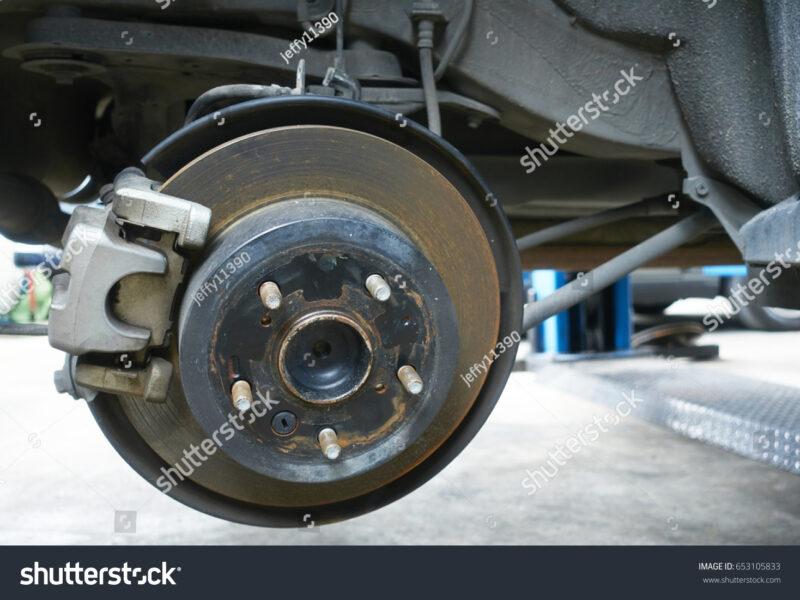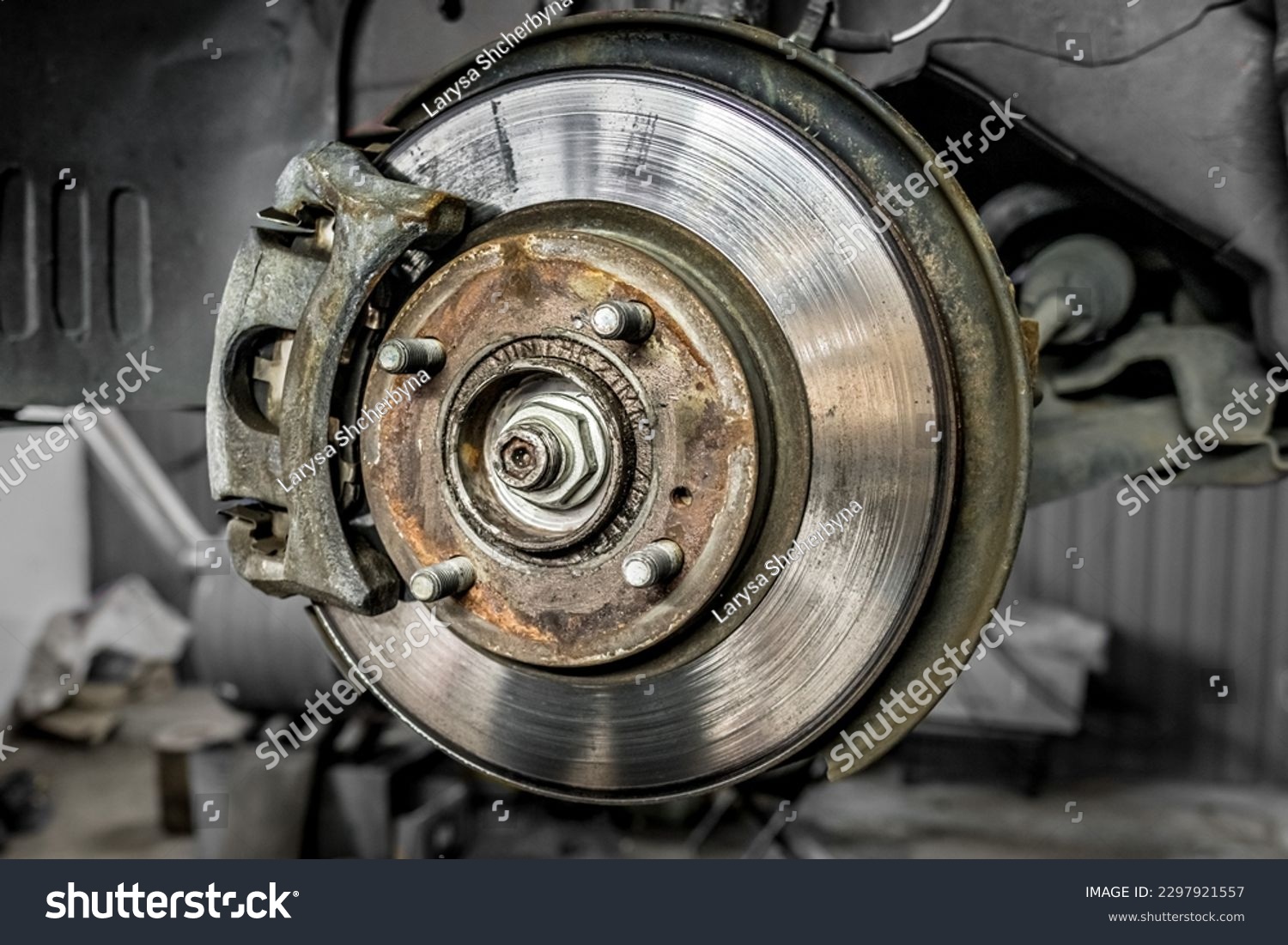
Brakes can squeal for four common reasons, according to Haynes’ guide to brake noise: surface rust after the car has sat, the metal wear tabs on worn pads, glazed pads and discs, or true brake squeal caused by vibration. Haynes says that even when working normally brakes can make noises, and that in normal use the noise should not be constant and unbearable. The fix depends on the cause, as set out below.
Why do brakes squeal in the morning or after rain?
Brake discs are raw, unfinished iron, so they rust easily. Haynes says that if the noise appears when you first pull away after the car has sat overnight, rust is the likely cause. It is most noticeable in spring and fall, when warm days and cool nights bring moisture. It usually fixes itself within the first few brake applications; parking in a warm, dry garage is the only real way to prevent it. If a car has years of disuse, Haynes says to have the discs or drums turned down to remove the layer of rust before putting it back on the road.
Why do worn brake pads squeal?
Nearly all modern cars use pads with metal tabs that warn you when about 75% of the pad’s life is used. When the friction material is worn down, the tabs drag on the disc. Haynes says that if the brakes start to squeak or squeal after 30,000 to 60,000 miles of normal use, this is the most likely cause. Braking performance is unaffected and the tabs do not damage the discs, but the only fix is a new set of pads. To confirm, take off the wheels and look at the pads. For the full list of wear signs see signs your brake pads need replacing.
Why do glazed brakes squeal?
Stop-and-go driving, applying the brakes lightly over and over, can polish the discs to a mirror-like surface and glaze the pads. Haynes says glazing is a microscopic change to the surface of the friction material caused by heat. It says the best fix is to change your behaviour and not ride the brake in traffic, and that glazed brakes will typically cure themselves with two or three hard stops from highway speed. If you try that, do it only where it is safe and legal to do so.
What is true brake squeal?
If none of the above fits, you may have real brake squeal. Haynes says it comes from the disc, caliper and pads vibrating at their resonance frequency, tends to be persistent, and stays the same regardless of speed. Haynes lists these steps:
- Take the pads and calipers apart and make sure everything moves freely. A binding or seized brake can cause the noise, so check the piston, the slide pins and that the pad moves freely.
- Check for shims. Some cars and aftermarket pads have thin shims behind the pads that reduce noise by stopping vibration passing to the rest of the car. If yours are missing, adding them may help.
- Change the vibration. Haynes says greasing the edges of the pad backing plate or filing them smooth may help, and that pastes exist that stick the pad to the caliper so the whole assembly vibrates at a different, lower frequency.
- Try a different pad. If nothing works, a different brand or formulation designed to be quieter may be the answer. For how the pad types differ see brake pad materials.
Brake work affects stopping, so if you are not confident, have a garage do it.
Frequently asked questions
Is brake squeal dangerous?
Not always. Haynes says brakes make noise in normal use, and the wear-tab squeal does not affect braking. Grinding, however, can mean the pad material is gone and the metal is damaging the disc, so have it checked at once.
Why do my brakes squeal only when I first drive off?
Haynes says surface rust after the car has sat is the likely cause, and that it usually clears within the first few brake applications.
Will new pads stop the squeal?
For worn-out pads, yes: Haynes says new pads are the only fix for wear-tab squeal. For other causes, new pads alone may not help.
Source: Haynes, “Why Are My Brakes Squealing and How To Stop Them?” (October 2017); Haynes, “How to Check Brake Pad Thickness” (U.S., September 2019).