
An electric car slows down in two ways: the motor runs backwards as a generator (regenerative braking), and the conventional friction brakes (pads and rotors) clamp the wheels. Regenerative braking takes part of the work off the friction brakes, so their pads generally last longer, but, according to AutoGuide, it cannot replace them. This guide explains how the two work together, what the sources say about wear, and what to check on your own car.
How does regenerative braking work?
The U.S. Department of Energy describes it this way: the vehicle “captures energy normally lost during braking by using the electric motor as a generator and storing the captured energy in the battery” (DOE Alternative Fuels Data Center; the page describes hybrids, and the principle is the same in an electric car). AutoGuide puts it more mechanically: when you force an electric motor to turn, it acts as a generator and creates an electric current in its windings, which the system sends back to the battery (AutoGuide, 2021, updated 2022; a sponsored article).
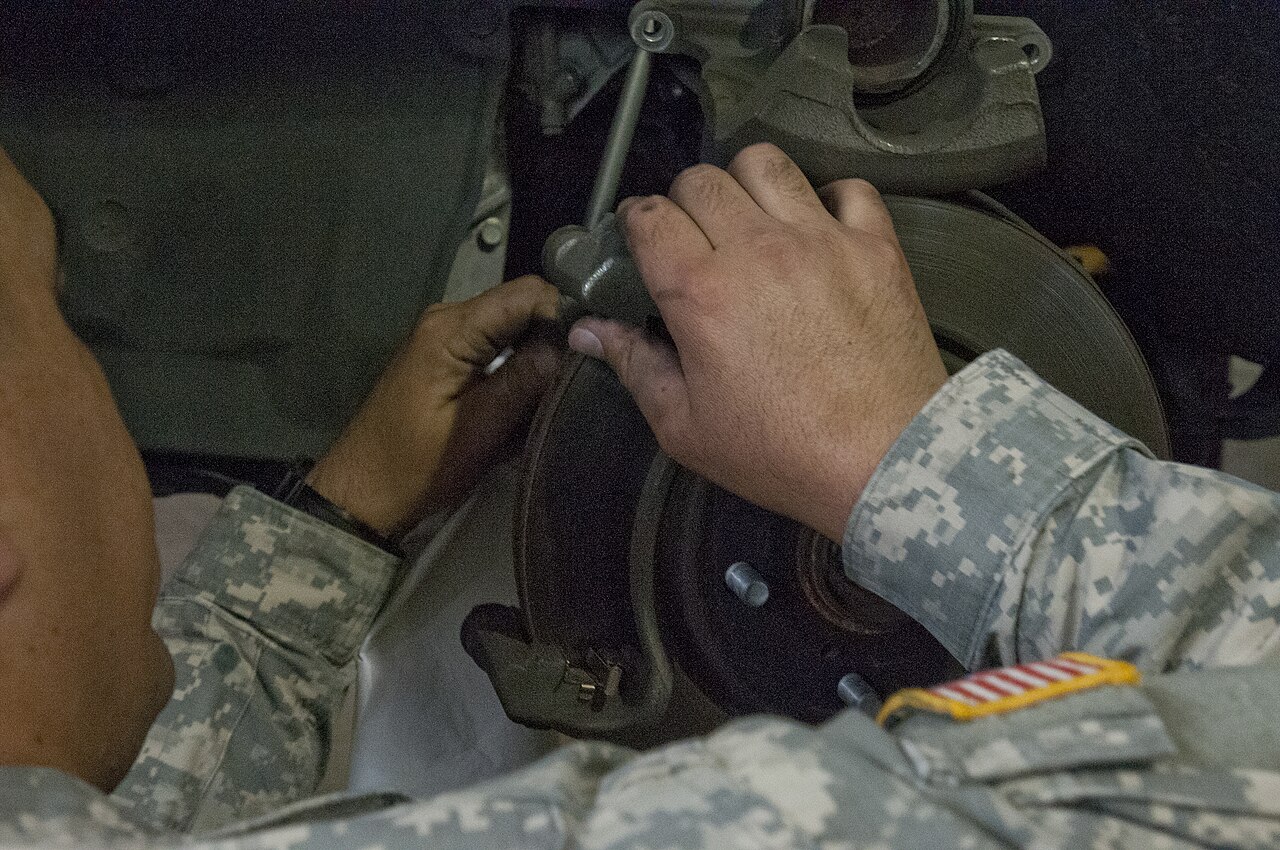
The same DOE site notes that city driving has “more frequent stops, which maximize the benefits of regenerative braking” (AFDC, all-electric vehicles). None of the pages we read give a percentage of energy recovered, so we do not quote one.
Does regenerative braking make brake pads last longer?
Yes, according to every source we read, but none of them gives a number.
- The DOE says brake systems on electric vehicles “generally last longer than those on conventional vehicles because of regenerative braking” and that brake wear “is significantly reduced” in all-electric models (AFDC, maintenance).
- Two authors from General Motors wrote in a 2022 SAE paper that regenerative braking “without question greatly impacts brake pad service life in the field, in most cases extending it significantly.” We could read only the abstract, which gives no figures (Antanaitis and Robere, SAE). Their pad-life model takes as inputs the battery’s state of charge and charge acceptance, the electric drive unit’s characteristics and the owner’s charging habits, so in their approach pad life depends on those variables.
- AutoGuide says regeneration takes “some of the load off of the pads and rotors, meaning they lose material more slowly.”
So the honest answer to “how much longer?” is: it depends on the car, your driving and how the system blends the two types of braking, and we found no tested mileage to give you. Check your owner’s manual and have the pads measured at each service instead of assuming a distance.
What regenerative braking cannot do
AutoGuide reports that even the best regenerative systems “generate less than half the amount of braking force as conventional friction brakes,” which makes emergency stops “all but impossible with regenerative braking alone,” and that regeneration cannot hold the car still on a slope. On that account, the friction brakes remain necessary. Keep in mind that this article was sponsored by a brake pad maker (NRS Brakes) and we found no second source for this point.
Why EV brakes can corrode from lack of use
Using the friction brakes less has a downside. AutoGuide argues that with one-pedal driving you can go entire trips without touching the brake pedal, so the brakes have fewer chances to dry out, and that “corrosion is the main culprit behind a host of different brake pad failure modes,” such as delamination and “rust jacking”. Treat this as a plausible risk, not a measured one: the article gives no data, and its sponsor sells galvanized pads. The SAE paper does say that heavy regenerative use creates “a need to make design decisions for features such as corrosion protection for brake pad and pad slide components.” That is the motivation the authors give for their study, not a measurement of corrosion.
What to check on your own car
- Pad thickness and rotor condition at every tire rotation or annual service, rather than on a fixed mileage.
- Rust or seized parts if you mostly drive in one-pedal mode. Ask the shop to inspect the pad slides and rotor surface.
- The service schedule in your owner’s manual, which is the reference for brake inspections on your model.
- Brake feel or noise changes. If the pedal feels different, get it inspected instead of waiting.
Frequently asked questions
Do electric cars still have brake pads?
AutoGuide, a sponsored article, says regeneration alone generates less than half the braking force of conventional friction brakes, so friction brakes remain necessary. Check your own model’s manual for how its system is built.
Which wears out faster, regenerative or friction brakes?
The DOE says brake systems on electric vehicles generally last longer than on conventional ones, and the GM authors say regeneration extends pad life in most cases. Neither source gives a figure.
Can regenerative braking stop the car completely?
Not on its own, according to AutoGuide (a sponsored article), which describes it as insufficient for emergency stops and for holding the car on a slope.
How much energy does regenerative braking recover?
We did not find a figure in the sources we read, so we do not give one. The DOE only says that city driving, with more frequent stops, increases the benefit.
Sources read on 2026-11-06: DOE Alternative Fuels Data Center (undated pages), AutoGuide (sponsored, published June 2021, updated April 2022) and the abstract of an SAE paper (2022).