Recognizing the unmistakable signs your car battery is failing is crucial for avoiding unexpected breakdowns and ensuring your vehicle’s reliable operation.
A dying car battery often provides several clear indicators before complete failure, ranging from subtle changes in your vehicle’s performance to more overt electrical issues.
Understanding these symptoms and knowing how to accurately test your battery’s health can save you significant time, money, and hassle on the road.
What Are the Primary Indicators of a Dying Car Battery?
The health of your vehicle’s 12V power source, specifically the car battery, is paramount for its operational integrity.
Diminishing battery capacity manifests through various symptoms, signaling that it can no longer deliver the requisite electrical current efficiently to start the engine or power essential components.
Proactive identification of these signs allows for timely intervention, preventing more extensive repairs that could result from a completely dead battery taxing other parts of your electrical system.
Slow Engine Crank: The Initial Warning Signal
One of the earliest and most common indicators of a weakening battery is a noticeably slow engine crank when you turn the ignition. Instead of a quick, robust turn, the engine may struggle to start, turning over sluggishly.
This occurs because the battery is losing its ability to provide the necessary burst of high amperage to engage the starter motor effectively. The starter motor requires a significant amount of power to initiate the combustion process, and a failing battery simply cannot meet this demand.
If you notice your engine takes an unusually long time to turn over, even on moderate days, it’s a strong indication that your 12V battery is nearing the end of its operational life.
Dim or Flickering Headlights and Electrical Malfunctions
A failing car battery often manifests through inconsistent electrical power to various vehicle components. You might observe your headlights appearing dimmer than usual, especially when the engine is off or idling, or notice them flickering erratically.
This diminished power supply can also affect other electrical systems, leading to issues such as a radio that cuts out, power windows that operate slowly, or dashboard lights that are noticeably dim.
These electrical anomalies stem from the battery’s inability to maintain a stable 12V output, indicating a significant reduction in its charge capacity and overall health.
Illuminated Dashboard Warning Lights
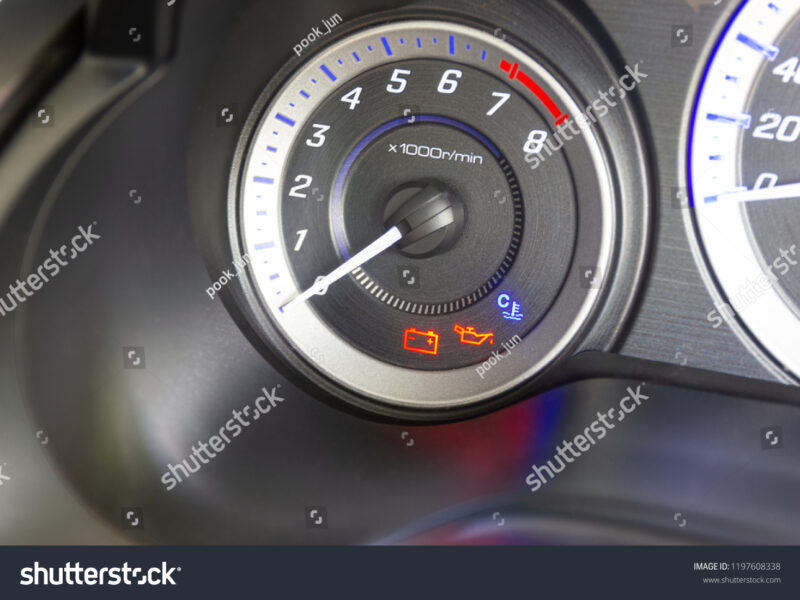
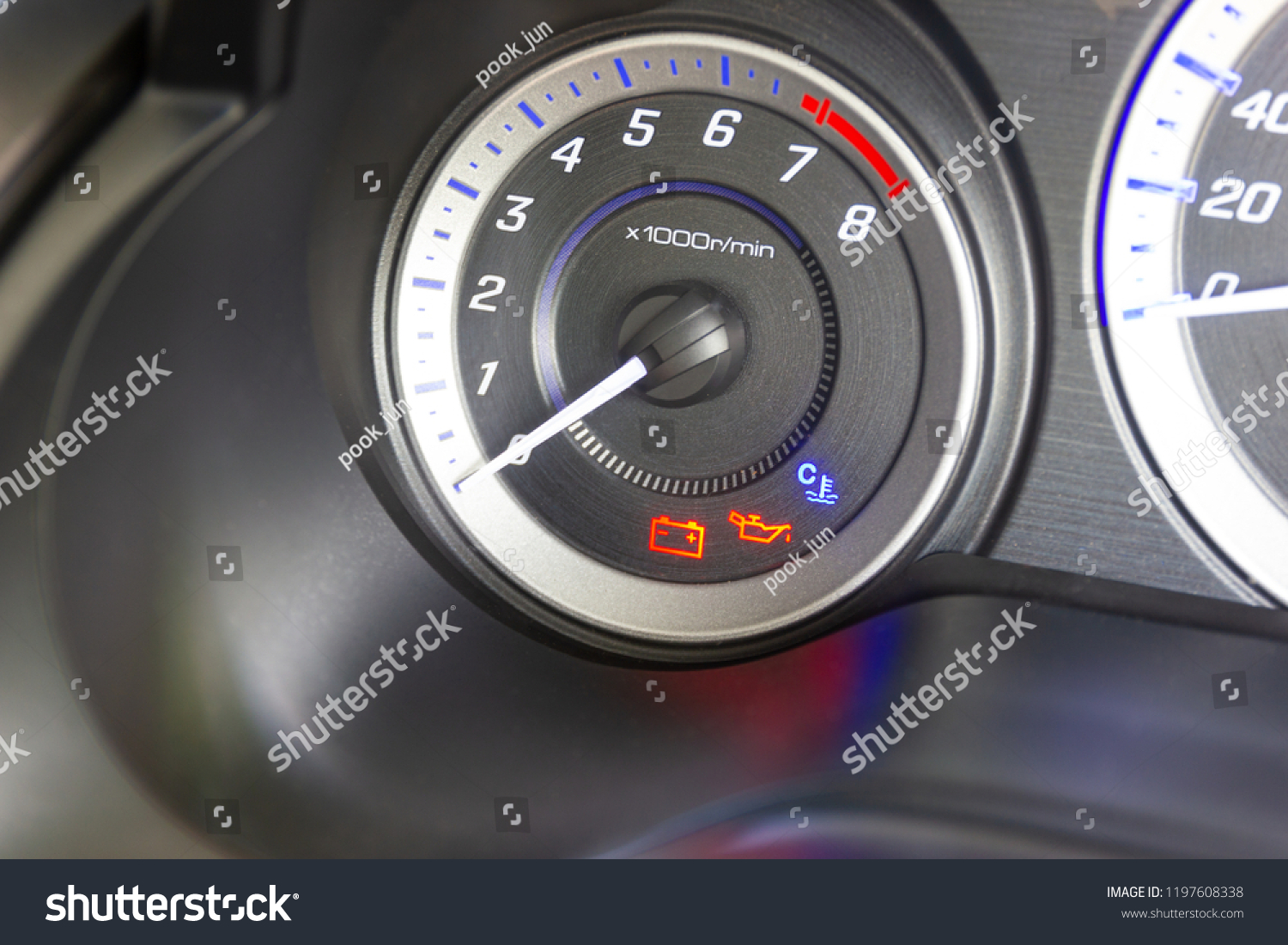
Modern vehicles are equipped with sophisticated diagnostic systems designed to alert drivers to potential issues. An illuminated battery warning light on your dashboard is a direct and critical indicator that your vehicle’s charging system, which includes the battery, is experiencing a problem.
While this light can sometimes signal an issue with the alternator, it frequently points to a battery that is not holding a charge effectively or is struggling to meet the vehicle’s electrical demands.
Ignoring this warning can lead to sudden battery failure and leave you stranded. It prompts an immediate inspection to diagnose whether the issue lies with the battery itself, the alternator, or other electrical components.
Corrosion on Battery Terminals and Foul Odors
Visible corrosion around the battery terminals, typically a fuzzy, white, blue, or green substance, is a common sign of a chemical reaction occurring due to a leaking battery or poor connection. This corrosion impedes the flow of electrical current, reducing the battery’s efficiency and ability to charge and discharge properly.
Furthermore, a distinct, rotten egg smell emanating from the battery area indicates a sulfuric acid leak or overcharging. This can be a sign of internal damage or that the battery is gassing excessively, which is dangerous and suggests a critical failure.
Both corrosion and foul odors are strong indicators of a deteriorating battery that requires immediate attention and replacement to prevent further damage to electrical components or potential safety hazards.
Deformed Battery Case and Leaking Fluid
Physical deformities of the battery case, such as swelling, bulging, or cracking, are clear indicators of internal damage or overheating. Extreme temperatures, particularly high heat, can cause the battery’s internal components to expand, leading to visible distortions of its protective casing.
Any visible leaks of fluid from the battery are also a critical warning sign. This fluid is typically sulfuric acid, which is highly corrosive and dangerous, indicating a breach in the battery’s integrity.
These physical signs suggest that the battery is compromised and poses a significant risk to your vehicle’s electrical system and potentially to safety due to the corrosive nature of the fluid and the risk of explosion. Replacement is imperative.
How to Accurately Test Your Car Battery’s Health
To definitively ascertain the health of your 12V car battery, a multimeter or a dedicated battery conductance analyzer is essential. The most straightforward method involves checking the voltage. A fully charged automotive battery should register approximately 12.6 volts or higher when the engine is off and has been resting for several hours.
If your multimeter reads around 12.2 volts, the battery is considered to be at 50% charge, while a reading below 12.0 volts typically indicates a significantly discharged or failing battery.
For a more comprehensive assessment, a conductance analyzer can measure the battery’s cold-cranking amps (CCA) and internal resistance, providing a more accurate picture of its ability to deliver current under load. This test can reveal a dying battery even if its voltage appears acceptable, as internal resistance increases with age and degradation.
| Battery State/Type | Voltage (Engine Off) | Key Characteristic |
|---|---|---|
| Fully Charged 12V Battery | ~12.6V – 12.8V | Optimal performance, full capacity |
| 50% Discharged 12V Battery | ~12.2V | Reduced capacity, potential for starting issues |
| Deeply Discharged/Failing | < 12.0V | Likely unable to start, needs charging/replacement |
| Flooded Lead-Acid (SLA) | Varies by charge | Common, cost-effective, requires maintenance (water) |
| Absorbed Glass Mat (AGM) | Varies by charge | Sealed, maintenance-free, better vibration resistance |
| Gel Cell | Varies by charge | Sealed, deep-cycle capable, sensitive to overcharging |
How long does a car battery typically last?
The average lifespan of a car battery is generally between three to five years, though this can vary significantly based on driving habits, vehicle electronics, and environmental conditions. Factors such as frequent short trips, leaving lights on, or extreme temperatures can shorten its life considerably. Regular battery maintenance, as detailed in Essential Car Battery Maintenance Tips for Longer Life and Reliability, can help maximize its longevity.
What is the optimal voltage for a fully charged 12V car battery?
An optimally functioning, fully charged 12V automotive battery should register a voltage between 12.6 volts and 12.8 volts when measured with a multimeter after the vehicle has been off for at least a few hours. This resting voltage indicates that the battery cells are holding their full charge capacity. Readings below 12.4 volts suggest the battery is less than fully charged, potentially indicating a need for recharging or an impending issue.
Can extreme temperatures damage my car battery?
Yes, extreme temperatures significantly impact car battery performance and lifespan. In cooler temperatures, batteries can lose approximately 20% of their starting power, making it harder for the engine to crank.
Conversely, high temperatures can be even more detrimental, leading to accelerated fluid evaporation and increased internal corrosion. Research indicates that for every 18°F (10°C) increase in ambient temperature above optimal, the speed of chemical reactions that cause fluid evaporation and corrosion within the battery effectively doubles, drastically shortening its life.
What are the differences between flooded, AGM, and Gel batteries?
The primary differences among flooded, AGM (Absorbed Glass Mat), and Gel batteries lie in their construction, maintenance requirements, and performance characteristics. Flooded lead-acid batteries are the most traditional type, containing liquid electrolyte that requires periodic topping off with distilled water. They are cost-effective but less resistant to vibration.
AGM batteries, on the other hand, utilize fiberglass mats to absorb the electrolyte, making them sealed, maintenance-free, and highly resistant to vibration. They offer faster charging and better performance in extreme temperatures. Gel cell batteries use a silica-based gel to suspend the electrolyte, also making them sealed and maintenance-free, with excellent deep-cycle capabilities but are more sensitive to overcharging compared to AGM or flooded types.