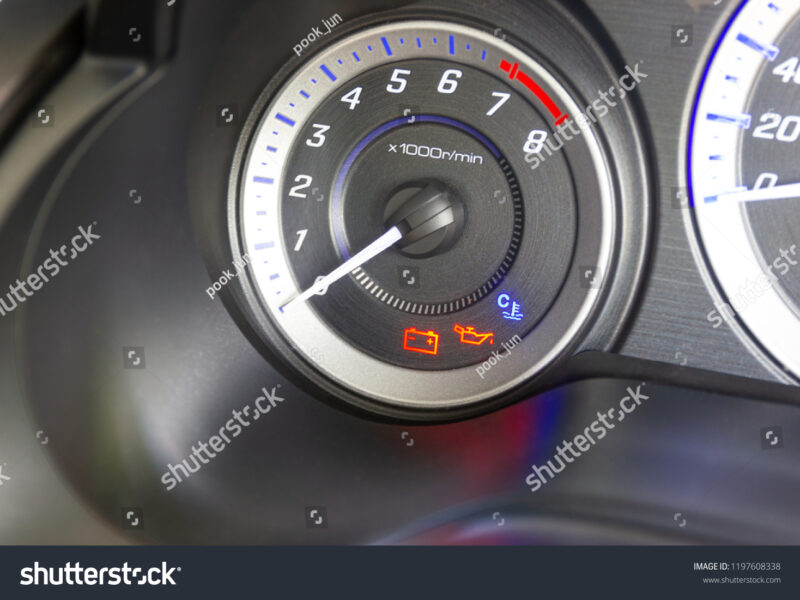
If your car battery consistently fails to hold a charge overnight, leaving you stranded in the morning, it’s typically an indicator of an underlying issue ranging from a parasitic draw to a failing charging system or an old, degraded battery.
Understanding Parasitic Draws: The Silent Battery Killers
A parasitic draw occurs when electrical components in your vehicle continue to consume power even after the ignition is turned off. While some minimal draw is normal for systems like the clock or alarm, an excessive draw can deplete a 12V car battery overnight, preventing your engine from starting.
These silent power consumers can be difficult to pinpoint without proper diagnostic tools. Common culprits include glove box lights that remain on, faulty radio units, aftermarket accessories wired incorrectly, or even sticky relays. Identifying and resolving a parasitic draw is crucial for maintaining your battery’s charge and ensuring vehicle reliability.
Over time, even a small, consistent draw can significantly impact your battery’s health. It forces the battery into deeper discharge cycles, accelerating internal degradation. This constant stress can lead to a premature end of your battery’s lifespan, costing you more in replacements.
Diagnosing a Parasitic Draw with a Multimeter
To accurately measure a parasitic draw, you’ll need a digital multimeter capable of reading amperes. Ensure your vehicle is completely off, all doors are closed (or latches taped to simulate closure), and the key is out of the ignition. Disconnect the negative terminal of your battery.
Connect the multimeter in series between the negative battery post and the disconnected negative battery cable. Set the multimeter to measure amperes (usually the 10A or 20A setting initially, then lower if needed). A normal parasitic draw is typically between 20-50 milliamps (0.02-0.05 amps) for most modern vehicles. Anything significantly higher indicates a problem.
Once you have a reading, begin pulling fuses one by one from your fuse box (both under the hood and inside the cabin). Watch the multimeter display; when the amperage reading drops significantly, you’ve identified the circuit where the parasitic draw originates. This pinpoints the area for further investigation into specific components connected to that circuit.
Faulty Alternator Diodes: Draining Power While Parked
Your alternator is responsible for recharging your 12V car battery while the engine is running and powering the vehicle’s electrical system. It uses diodes to convert alternating current (AC) into direct current (DC), which the battery and electrical components use. If these diodes fail, they can allow current to flow in the wrong direction, effectively draining the battery when the engine is off.
This “diode leak” acts like a parasitic draw, often leading to a completely dead battery overnight, even if the alternator seemed to be charging fine during operation. A visual inspection alone won’t reveal faulty diodes; specialized testing is required. This issue is often overlooked but can be a primary reason why a battery won’t hold a charge.
When alternator diodes fail, they create an internal short circuit. This allows a continuous trickle of electricity to escape the battery, even when the car is not in use. This consistent discharge can be particularly damaging, as it prevents the battery from ever reaching a full state of charge and accelerates sulfation on the lead plates, hindering its ability to retain charge long-term.
Testing for Defective Alternator Diodes
Testing for defective alternator diodes requires a multimeter and a specific procedure. First, ensure the battery is fully charged. Disconnect the battery’s negative terminal. Set your multimeter to the diode test setting or resistance (ohms) setting if a diode test isn’t available.
Place one probe on the alternator’s output terminal and the other on the alternator’s case (ground). Then reverse the probes. A good diode should show continuity (a low resistance reading) in one direction and an open circuit (very high resistance or no reading) in the other. If you get continuity in both directions or an open circuit in both, it indicates a faulty diode, and the alternator likely needs replacement.
Another method involves checking for AC voltage at the battery terminals with the engine running. If AC voltage is detected (even a small amount, like 0.1-0.3V AC), it indicates that one or more diodes are failing and not converting the AC effectively to DC, which can also lead to battery drain when the vehicle is off and the battery is trying to stabilize.
Age and Condition of the Battery: Beyond its Prime
Even without parasitic draws or charging system faults, an old or compromised battery simply loses its ability to hold a charge. A typical 12V car battery has a lifespan of 3-5 years, depending on usage and environmental factors. As batteries age, internal chemical processes degrade, reducing their capacity and efficiency.
One primary factor in an aging battery’s inability to retain charge is sulfation. This occurs when lead sulfate crystals build up on the battery’s lead plates, particularly during prolonged states of discharge. These crystals harden and become difficult to convert back into active material during charging, thereby reducing the battery’s overall capacity and its ability to deliver the requisite electrical current. This impact on charge retention is a key reason an older battery struggles to hold power overnight.
Extreme temperatures significantly accelerate this degradation. In cooler temperatures, batteries can lose about 20% of their starting power. Conversely, high temperatures can lead to fluid evaporation and increased corrosion, especially with every 18°F (10°C) variation in temperature accelerating chemical degradation within the battery. Regular testing of your battery’s health, particularly its cold-cranking amps (CCA) and voltage, can help you anticipate when it’s nearing the end of its service life.
The Impact of Environmental Factors on Battery Performance
Environmental conditions play a profound role in a car battery’s ability to maintain a charge. Extreme temperatures, both hot and cold, stress the battery and accelerate its internal degradation, directly impacting its capacity to hold power overnight. Understanding these effects is vital for proactive maintenance.
In cold climates, if the temperature drops to freezing levels, a car battery can lose approximately 20% of its starting power. This reduction in power means the battery has less reserve capacity to begin with, making it more susceptible to dying overnight from even minor parasitic draws or simply due to its age. The chemical reactions within the battery slow down significantly in the cold, impeding its ability to accept and deliver a charge efficiently.
Conversely, hot weather, while seemingly less impactful on starting power, can be even more detrimental to a battery’s longevity. High temperatures cause the electrolyte fluid to evaporate and accelerate internal corrosion of the lead plates, leading to increased sulfation and a permanent reduction in charge-holding capacity. A 12V battery operating in consistently hot conditions will degrade faster than one in moderate climates, making it prone to failing overnight much sooner in its lifespan.
Essential Maintenance and Prevention Strategies
Proactive maintenance is the best defense against a car battery that won’t hold a charge overnight. Regular checks and simple habits can significantly extend your battery’s lifespan and ensure consistent reliability, preventing unexpected breakdowns.
Keep your battery terminals clean and free of corrosion. A build-up of white or blue powdery substance can impede electrical flow, acting like a resistance that prevents the battery from fully charging or delivering power efficiently. Use a wire brush and a battery terminal cleaner solution to ensure a clean, strong connection. Also, ensure the battery hold-down is secure to prevent vibrations, which can damage internal components.
Consider using a smart trickle charger if your vehicle is often parked for extended periods, especially in extreme temperatures. These chargers maintain the battery’s charge without overcharging, counteracting slow parasitic draws and sulfation. For vehicles driven infrequently, this can be a game-changer for battery longevity and reliability. Regular short drives are also beneficial for keeping the battery topped up.
Comparative Table: Common Causes of Battery Drain Overnight
| Cause of Drain | Typical Amperage Draw | Key Symptoms | Diagnostic Method | Likely Repair/Solution |
|---|---|---|---|---|
| Normal Parasitic Draw | 20-50 mA (0.02-0.05A) | None (if within range) | Multimeter (in-series) | No action needed |
| Excessive Parasitic Draw | >50 mA (0.05A) | Dead battery overnight, flickering lights | Multimeter (fuse-pulling method) | Identify and repair faulty component/wiring |
| Faulty Alternator Diodes | Variable (often 0.1-0.5A) | Dead battery overnight, warning light (sometimes) | Multimeter (diode test on alternator, AC ripple) | Alternator replacement |
| Old/Degraded Battery | Internal self-discharge | Slow engine crank, dim lights, frequent dead battery | Battery load test, CCA test | Battery replacement |
| Loose/Corroded Terminals | Reduced charging efficiency | Difficulty starting, flickering lights, no power | Visual inspection, voltage drop test | Clean terminals, secure connections |
What is a parasitic draw and how does it cause my car battery to die overnight?
A parasitic draw refers to any electrical component in your vehicle that continues to consume power even when the engine is off and the ignition is turned off. While a minimal draw (typically 20-50 milliamps for modern vehicles) is normal for systems like the clock, alarm, or engine computer memory, an excessive parasitic draw can rapidly deplete your 12V car battery. For instance, a faulty dome light switch leaving the light on, an improperly installed aftermarket stereo, or a sticky relay can draw several hundred milliamps or even amps, draining a fully charged battery completely in a matter of hours overnight, leading to a no-start condition in the morning.
How do extreme temperatures affect my car battery’s ability to hold a charge?
Extreme temperatures significantly impact a car battery’s performance and lifespan, directly affecting its ability to hold a charge. In cold weather, specifically when temperatures drop to cold levels, the battery can lose approximately 20% of its starting power. The chemical reactions within the battery slow down, making it harder to deliver the necessary current to start the engine, and also reducing its capacity to retain a charge over time. Conversely, hot temperatures are even more damaging in the long term, as they accelerate the evaporation of electrolyte fluid and increase internal corrosion and sulfation of the lead plates. Research indicates that for every 18°F (10°C) increase in temperature, the chemical degradation of the battery accelerates, leading to a permanent reduction in its capacity to hold a charge and a shorter overall lifespan.
Can a faulty alternator cause my battery to drain overnight even if it charges while driving?
Yes, a faulty alternator can absolutely cause your battery to drain overnight, even if it appears to be charging while you drive. The primary culprit in such scenarios is often defective internal diodes within the alternator. These diodes are crucial for converting the alternator’s alternating current (AC) output into direct current (DC) that the battery and vehicle electrical systems use. If one or more of these diodes fail, they can allow a small amount of current to “leak” backward from the battery through the alternator when the engine is off. This continuous backflow acts as a parasitic draw, slowly but surely depleting your 12V car battery overnight, leaving it dead by morning, despite the alternator’s ability to charge the battery while the engine is running.
What is sulfation and how does it prevent a car battery from holding a charge long-term?
Sulfation is a common process in lead-acid batteries where lead sulfate crystals form on the battery’s lead plates. While a normal part of the discharge cycle, excessive or prolonged sulfation occurs when a battery remains in a discharged state for too long or is not fully recharged regularly. These lead sulfate crystals harden and build up on the plates, forming an insulating layer that physically blocks the chemical reaction sites. This buildup reduces the battery’s active surface area, severely limiting its ability to accept and store an electrical charge, particularly its capacity to deliver the requisite electrical current. Over time, heavy sulfation significantly diminishes the battery’s overall capacity, making it unable to retain a full charge, leading to premature failure and an inability to hold a charge overnight.