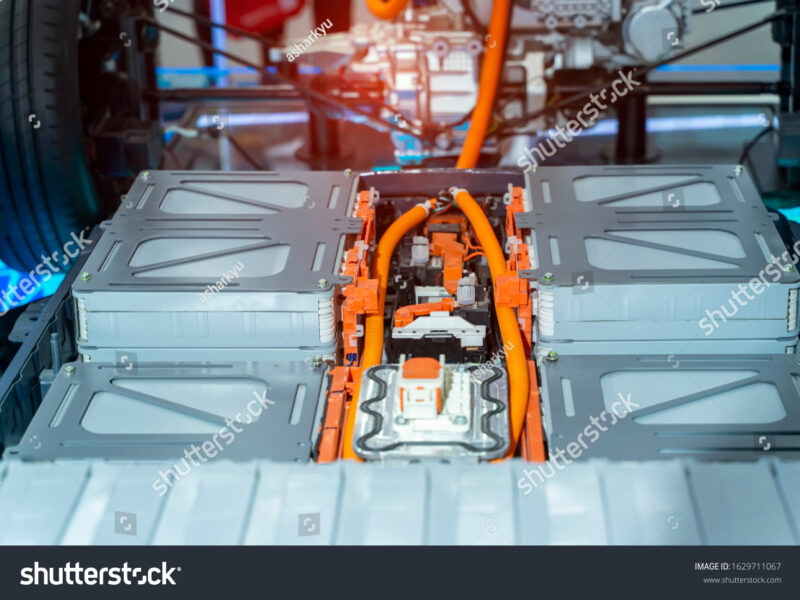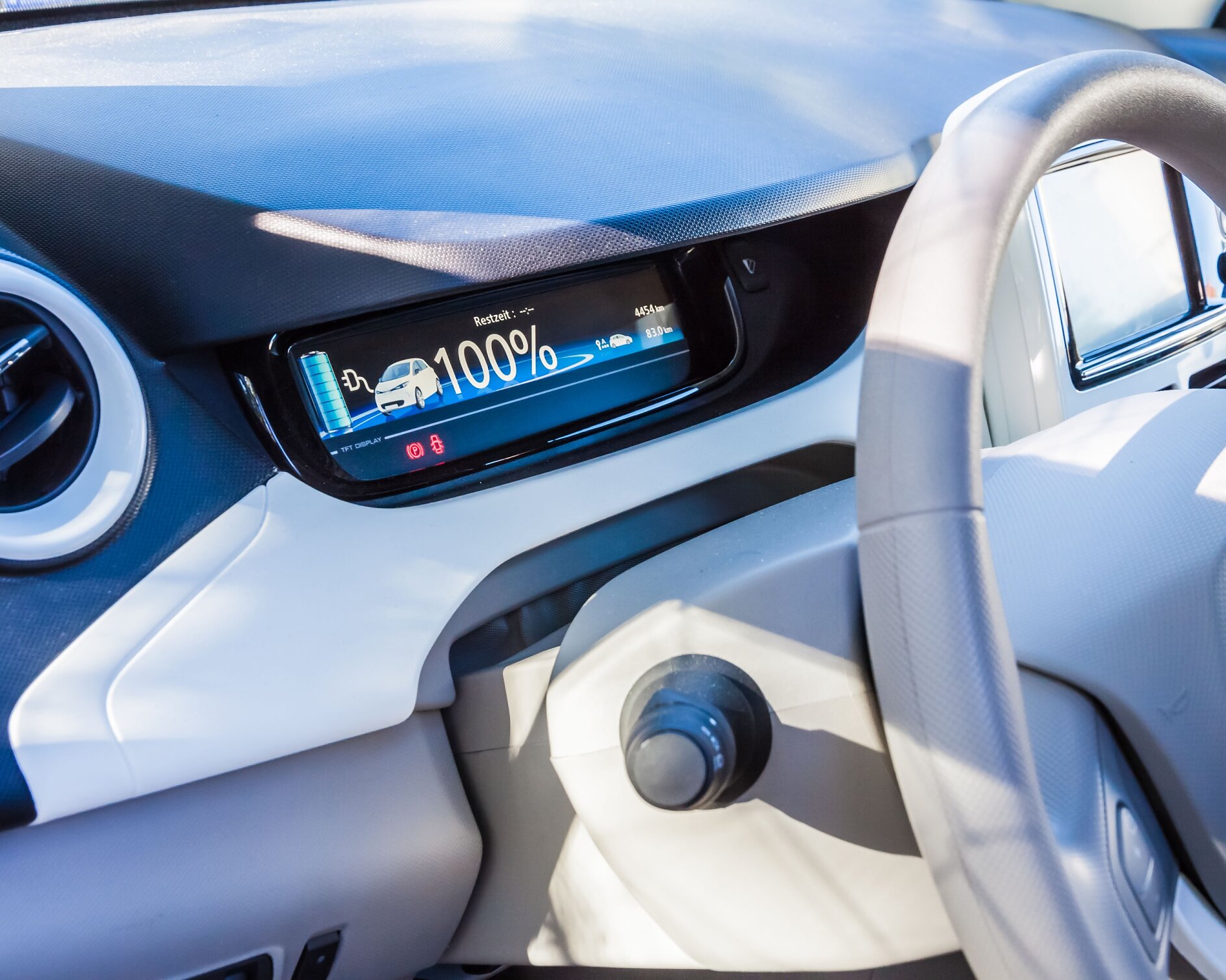
Electric vehicle (EV) battery degradation is an inevitable process where your battery gradually loses its capacity to store energy and deliver power over time, influenced by a combination of electrochemical factors, environmental conditions, and user charging habits. Understanding these underlying causes is crucial for maximizing your EV battery’s longevity and maintaining optimal performance.
What Are the Primary Electrochemical Drivers of EV Battery Degradation?
At the core of EV battery degradation are complex electrochemical processes occurring within the lithium-ion cells. The main reason EV batteries degrade is due to the inherent nature of lithium-ion cells, which begin depleting as soon as they are created. This involves phenomena such as the formation of a Solid Electrolyte Interphase (SEI) layer, which, while initially protective, can grow too thick and impede lithium-ion flow, reducing efficiency.
Repeated charging and discharging cycles, known as cycling aging, cause the battery to slowly lose its maximum potential. Internal chemical reactions, including damage to the crystalline structure of the anode and corrosion, further contribute to this decline. These changes lead to capacity fade, increased internal resistance, and can potentially pose safety hazards.
Recent research also suggests that hydrogen, not lithium ions, emerging from the electrolyte, might be a significant culprit behind the degradation of lithium-ion batteries over time, even when not in use. This “self-discharge” process consumes active ingredients in the cathode, shortening the battery’s life expectancy.
Minimizing these electrochemical changes requires a holistic approach, including optimal charging protocols, advanced materials, and effective temperature control. Ongoing research continues to provide deeper insights into these degradation processes, enabling more predictive maintenance and enhanced battery life.
How Do Environmental Conditions Accelerate Battery Capacity Loss?
External environmental factors, particularly temperature extremes, play a significant role in accelerating EV battery degradation. Both consistently high and extremely low temperatures can compromise battery health and performance. While modern EVs incorporate advanced thermal management systems to mitigate these issues, understanding the precise impact is vital.
The Impact of Extreme Temperatures on EV Battery Health
High temperatures are generally more damaging to an EV battery’s long-term health than cold temperatures. Heat significantly accelerates chemical reactions within the battery, leading to faster degradation and the breakdown of electrolytes, which reduces efficiency and lifespan. Research indicates that EV batteries degrade twice as fast in consistently hot climates (above 86°F or 30°C), with some EVs experiencing up to 31% range loss at 100°F (37.8°C). Charging an EV in high temperatures, especially above the ideal state-of-charge range, further speeds up this degradation process.
Conversely, cold temperatures can temporarily reduce an EV’s range and charging efficiency, but they do not typically cause permanent battery damage; in fact, cold conditions can even slow the chemical degradation processes that reduce capacity over time. However, charging at very low temperatures (below freezing) without proper preconditioning can lead to lithium plating, which permanently damages cell capacity. The optimal temperature range for EV battery operation is typically between 60°F and 80°F (15°C and 27°C).
Consistently operating or charging an EV in extreme temperatures without adequate thermal management can lead to significant degradation over time. This is why advanced thermal management systems, such as liquid cooling, are crucial for long-term EV battery health and can dramatically slow degradation compared to air-cooled packs. Preconditioning the battery while still plugged in is the most effective step for minimizing cold-weather range loss and ensuring efficient charging.
What Role Do Charging Habits Play in EV Battery Longevity?
User charging habits are among the most controllable and impactful factors influencing EV battery lifespan. The way an EV battery is charged directly affects the chemical stress on its cells and can either accelerate or mitigate degradation. Adopting informed charging practices is essential for extending the life of your electric vehicle battery.
Fast Charging vs. Slow Charging: A Degradation Comparison
Frequent use of DC fast charging (DCFC), especially above 100 kW, generates more heat and puts increased strain on the battery, which can lead to quicker degradation compared to slower charging methods. Fast charging pushes lithium ions through the electrolyte much faster, creating bottlenecks that can cause lithium plating on the anode surface, a process that permanently damages cell capacity. Battery degradation from frequent fast charging typically results in 5-10% additional capacity loss over the battery’s lifetime compared to slower charging.
In contrast, regular use of Level 1 or Level 2 (slow) charging is gentler on the battery, as it allows lithium ions to move gradually and settle properly within the electrode material. This reduced thermal and molecular-level stress helps maintain the battery’s physical structure and chemical integrity over time. Occasional fast charging sessions have a minimal impact on overall battery health when balanced with regular slower charging.
A crucial strategy for preserving battery health is adhering to the “20-80% rule”. This recommendation suggests keeping the EV battery charged between 20% and 80% of its full capacity. Continuously charging to 100% or frequently depleting the battery below 20% can strain the electrodes, accelerating wear and reducing storage capacity and lifespan. Staying within this optimal range helps electrodes maintain their integrity and ensures the battery operates efficiently.
The average degradation across common EV battery types typically ranges from 1% to 3% per annum after the initial period. While modern battery management systems help minimize this difference, heavy fast charging users might see this increase to 3-5% per year. By modifying your charging habits, such as avoiding regular rapid charging and adhering to the 20-80% rule, you can significantly extend the lifespan and efficiency of your EV and its battery. You can delve deeper into these practices with our guide on Understanding Electric Car Battery Degradation: Factors and Prevention Tips.
Understanding Battery Chemistry: LFP vs. NMC Degradation Rates
The specific chemistry of an EV battery significantly influences its degradation characteristics and overall lifespan. The two dominant lithium-ion chemistries currently in widespread use are Lithium Iron Phosphate (LFP) and Nickel Manganese Cobalt (NMC). Each has distinct properties that affect performance, cost, and longevity, making their degradation profiles differ considerably.
LFP batteries are renowned for their enhanced safety, longer cycle life, and superior temperature tolerance compared to NMC variants. While some older claims suggested LFP batteries might degrade faster, particularly when constantly charged to 100%, general consensus and newer data indicate LFP cells offer a longer calendar life and more charge cycles. For instance, LFP batteries can generally last for up to 6,000 charge cycles, whereas NMC batteries typically last around 2,000 charge cycles. This robustness makes LFP a strong choice for stationary storage and increasingly for certain EV models, particularly those prioritizing longevity and cost-effectiveness over absolute energy density.
NMC batteries, on the other hand, are favored for their higher energy density, which translates to greater range and lighter battery packs, making them popular in many high-performance and long-range EVs. However, NMC chemistry is more susceptible to degradation, especially when exposed to high voltages or extreme temperatures. Sitting at a high voltage, such as sustained 100% charge, degrades NMC cells faster. The higher nickel content in NMC batteries can make them more prone to thermal runaway under abusive conditions, though advanced thermal management systems mitigate this risk significantly. The degradation rate of NMC batteries is often more sensitive to frequent fast charging and deep discharges.
Considering these differences, LFP batteries typically exhibit a lower lifetime cost for energy storage due to their extended cycle life and better tolerance for deep discharges. While both chemistries experience degradation, LFP often presents a more resilient profile under varied usage, albeit with a trade-off in energy density. The choice between LFP and NMC often depends on the manufacturer’s priorities for range, cost, and expected battery lifespan, with LFP gaining traction for its durability. For further insight into these factors, explore Understanding Electric Car Battery Degradation: Factors and Prevention Tips.
Clear Indicators Your EV Battery is Losing Capacity
Identifying signs of EV battery degradation is crucial for maintaining your vehicle’s performance and lifespan. Battery degradation is a gradual reduction in energy capacity over time, rather than a sudden failure. Recognizing these indicators early can help you take proactive measures or seek professional assessment, potentially saving on costly repairs.
One of the most prominent indicators that your EV battery may be losing capacity is a Reduced Range on a Full Charge. If you notice that your EV’s range has significantly decreased despite a full charge, it’s a clear sign of battery capacity loss. For example, a vehicle that once achieved 300 miles on a full charge may only reach 240 miles with an 80% battery health, representing a 20% range reduction. This decline in range directly impacts your driving habits and convenience, particularly for longer journeys.
Other signs of degradation include slower charging times, even when external temperatures are moderate. You might also experience sudden power loss or an inability to start your vehicle if the battery’s health has deteriorated significantly. Monitoring your vehicle’s State of Health (SOH) metric, which indicates how much of the battery’s total capacity is still available, is an effective way to track degradation. An SOH above 80% generally suggests minimal wear and tear. For a comprehensive overview of these indicators, refer to our article on 5 Clear Signs Your EV Battery Is Losing Capacity in 2026.
Proactive Strategies to Mitigate EV Battery Degradation
While some level of EV battery degradation is unavoidable due to calendar aging, many factors contributing to capacity loss are within an owner’s control. Implementing proactive strategies can significantly slow down this process, maximizing battery lifespan and maintaining optimal performance for longer.
Optimizing charging habits is perhaps the most impactful behavior change for longevity. Adhering to the 20-80% charging rule is highly recommended; consistently keeping your EV’s battery between 20% and 80% of its capacity reduces chemical stress on the cells. Avoiding frequent deep discharges (letting the battery drop to very low levels) and prolonged periods at 100% charge can prevent strain on the electrodes. Additionally, minimizing routine use of DC fast chargers, especially those over 100 kW, can reduce heat generation and the associated acceleration of chemical degradation.
Effective temperature management is another critical aspect. Parking your EV in a garage or shaded area can protect it from extreme heat, which significantly accelerates degradation. In colder climates, preconditioning the battery and cabin while the vehicle is still plugged in utilizes grid power instead of battery energy, preserving range and ensuring the battery is at an optimal temperature for charging and operation. Most modern EVs are equipped with sophisticated thermal management systems that regulate battery temperature, but conscious owner practices augment these systems.
Beyond charging and temperature, maintaining a moderate driving style by avoiding aggressive acceleration and high-speed driving can also reduce energy demand and heat, lessening strain on the battery. Regular monitoring of battery health indicators through your vehicle’s infotainment system or diagnostic tools can provide valuable insights into its state of health (SOH) and help identify any unusual degradation patterns. For a more detailed understanding of how these factors contribute, our article Why Is My EV Battery Losing Charge? Top Degradation Factors Explained provides further context.
Comparative Analysis of EV Battery Characteristics and Degradation Factors
Understanding the interplay of battery chemistry, charging habits, and environmental conditions is key to appreciating EV battery degradation. The table below outlines key characteristics and their impact on battery health, highlighting differences between common chemistries and optimal practices.
| Factor | LFP (Lithium Iron Phosphate) | NMC (Nickel Manganese Cobalt) | Optimal Practice / Impact |
|---|---|---|---|
| Energy Density | Lower (good for urban/standard range) | Higher (good for long range/performance) | Higher energy density often means greater sensitivity to degradation. |
| Cycle Life | Up to 6,000 cycles (longer) | Around 2,000 cycles (shorter) | More cycles equate to a longer functional lifespan. |
| Temperature Tolerance | Superior, less sensitive to heat | More sensitive to high temperatures (>86°F/30°C) | Optimal operation: 60-80°F (15-27°C). Extreme heat accelerates degradation. |
| Fast Charging Impact | More tolerant, but still generates heat | More susceptible to degradation, esp. >100 kW | Frequent DC fast charging can lead to 5-10% additional capacity loss over lifetime. |
| Optimal Charge Range | Can be charged to 100% more frequently | Best kept between 20-80% | Charging consistently within 20-80% minimizes stress for most chemistries. |
| Degradation Rate (Average) | Typically lower annual degradation | 1-3% per annum after initial period | Factors like climate and charging habits can alter this rate. |
| Cost | Generally less expensive | Generally more expensive | LFP offers lower lifetime cost for energy storage. |
FAQs on EV Battery Degradation
What is the average lifespan of an EV battery before significant degradation?
On average, EV batteries are designed to last over 10 years, with many manufacturers offering warranties covering at least 8 years or 100,000 miles, guaranteeing retention of at least 70-80% of original capacity. After this period, significant degradation may occur, but batteries can continue to function. For instance, Tesla batteries often retain 85-88% capacity after 200,000 miles.
Does consistent fast charging significantly impact EV battery health?
Yes, consistent and frequent use of high-power DC fast charging (above 100 kW) can significantly impact EV battery health. It generates more heat and puts increased strain on the battery, leading to faster chemical degradation and typically 5-10% additional capacity loss over the battery’s lifetime compared to slower charging methods. While occasional fast charging has minimal impact, regular reliance on it should be balanced with slower charging to prolong battery life.
Are all EV battery chemistries equally susceptible to degradation?
No, not all EV battery chemistries are equally susceptible to degradation. Lithium Iron Phosphate (LFP) batteries, for example, are known for their longer cycle life and superior temperature tolerance, making them generally more resilient to degradation than Nickel Manganese Cobalt (NMC) batteries. NMC batteries, while offering higher energy density, are more sensitive to high voltages and extreme temperatures, and tend to degrade faster under certain conditions.
What is the optimal charge level to maintain an EV battery’s health?
The optimal charge level to maintain an EV battery’s health is generally between 20% and 80% of its full capacity, a practice often referred to as the “20-80% rule”. This range minimizes the chemical stress on the battery cells, as prolonged periods at 100% charge or frequent depletion below 20% can accelerate degradation and reduce the battery’s overall lifespan.