Electric vehicle (EV) battery degradation, an inevitable decline in battery capacity over time, is primarily a consequence of complex electrochemical processes coupled with environmental conditions and user charging habits. As EV owners seek to maximize the longevity and performance of their vehicles, understanding the profound science behind battery degradation becomes essential. The average degradation across common battery types typically ranges from 1% to 3% per annum after the initial period, with performance details changing based on various factors.
What Are the Core Chemical Processes Behind EV Battery Degradation?
At the heart of EV battery degradation lies an electrochemical phenomenon involving critical processes like the formation of the Solid Electrolyte Interphase (SEI) and the irreversible loss of active lithium. The SEI layer originates during initial charging cycles, transforming the anode surface into a protective barrier. However, as the battery ages, excessive growth of this layer consumes active lithium, reducing capacity. A well-maintained SEI balances stability and degradation; an excessively thick SEI layer leads to increased internal resistance, diminishing the battery’s overall power output.
Irreversible lithium loss further compounds this issue. It stems from several mechanisms, including lithium consumption during SEI formation and low temperatures causing lithium plating on the anode. Each lithium ion loss corresponds to reduced energy storage capability, contributing to the overall decline in battery performance. The understanding of these chemical processes is a prerequisite for EV owners looking to adhere to optimal operational practices and mitigate degradation.
The efficiency of these electrochemical processes remains contingent on battery type and its thermal management system. For instance, lithium-ion batteries, prevalent in many current EVs, inherently face challenges like electrolyte decomposition and uneven current distribution, all exacerbating degradation. For further insights into these intricate processes, you can explore more in Why Do EV Batteries Degrade? Critical Factors Speeding Up Battery Aging.
How Does Extreme Temperature Accelerate EV Battery Degradation?
Temperature is a significant environmental determinant of EV battery degradation rates. Batteries consistently exposed to high ambient temperatures experience accelerated degradation due to enhanced electrochemical reactions. Research indicates that temperatures above 30°C (86°F) commence stress on battery components, while prolonged exposure over 45°C (113°F) can double the rate of initial capacity loss. The SEI layer’s growth, accelerated by excessive heat, consumes active lithium ions critical for charge retention, resulting in lower energy outputs over time.
Modern EVs often incorporate sophisticated thermal management systems, such as advanced liquid cooling, to ensure optimal operating conditions. However, even the best systems face constraints when enduring extreme temperatures, resulting in additional stress on the battery pack. The degradation manifests both through gradual loss of energy capacity and higher internal resistance, thereby diminishing performance efficacy.
Conversely, cold temperatures can lead to increased internal resistance, affecting power delivery efficiency and complicating fast charging attempts. Lithium plating, a phenomenon triggered by extremely low temperatures, renders some lithium ions permanently inaccessible for energy transfer, contributing to degradation. The ideal operating temperature range for optimal battery life is maintained at 20°C to 25°C (68°F to 77°F), which helps reduce stress-induced degradation and thus extends the battery’s effective life.
What Charging Habits Significantly Impact Battery Lifespan?
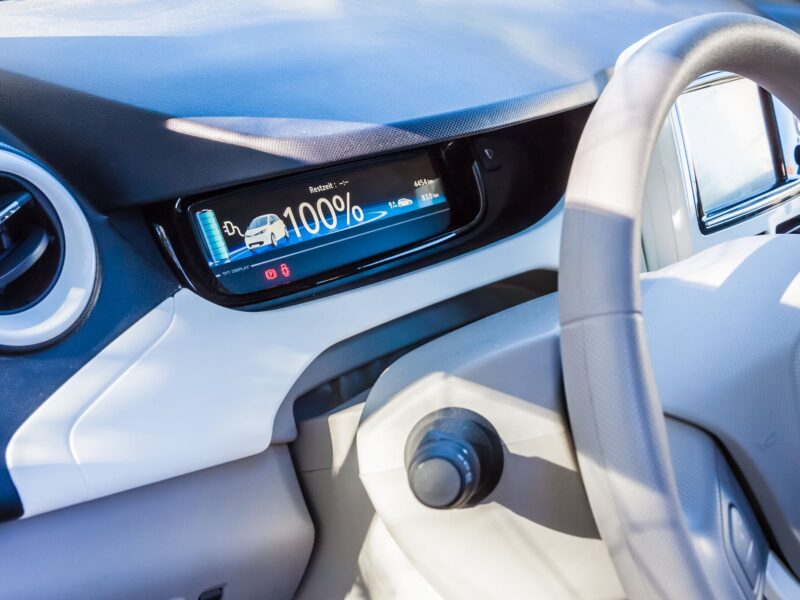
User charging behaviors directly affect the lifespan and degradation trajectory of an EV battery. Charging habits involving consistently filling the battery to 100% or allowing discharge below 10-20% state of charge can inflict considerable stress on its internal components. This excessive cycling exacerbates electrochemical reactions, notably the expansion and contraction of electrode materials and the troubled growth of the SEI layer. By adopting a charge window of 20% to 80% for routine use, owners can significantly enhance battery endurance by mitigating stress.
In addition, the tendency to frequently rely on DC fast charging (Level 3) contributes to accelerated battery degradation. While fast charging is undeniably convenient, it introduces substantial heat and amplifies electrical stress on the battery cells. Although contemporary EVs cater to this charging method, limiting fast charging usage primarily to long-distance driving can foster enhanced battery health. In contrast, methods such as AC Level 1 or 2 charging produce less thermal stress and support slower, gentler energy transfer.
Charging overnight with smart features, which optimally schedule charging during off-peak hours or maintain specific lower levels, generally imposes less harm on battery health than repeated high-rate charging. However, linking an EV to an outlet at 100% capacity over an extended period, particularly in warmer climates, can still contribute to gradual degradation. This is consistent with the recommendations found in Understanding Electric Car Battery Degradation: Factors and Prevention Tips, highlighting numerous practices that can boost battery lifespan.
What Are Typical Annual EV Battery Degradation Rates and How Do They Vary by Model?
The annual degradation rates of EV batteries are multifaceted, often fluctuating between 1% to 3% after an initial sharper decline in the first year. Research shows that many EVs can depreciate 2-5% in their first year due to stabilization of the SEI layer and various electrochemical adjustments. Subsequent years typically exhibit a moderated degradation curve, determined by battery chemistry, thermal management systems, and specific vehicle models.
For instance, vehicles like the Tesla Model 3 or Model Y show an average annual degradation rate near 1% to 2%, attributed to their advanced liquid cooling systems and sophisticated battery management technologies. In contrast, older models such as the Nissan Leaf display higher degradation rates nearing 2-3%, particularly in hotter climates without robust thermal management strategies. Brands focusing on innovative designs and efficient thermal regulation often exhibit better long-term retention capabilities.
| EV Model | Battery Size (kWh) | Estimated Average Annual Degradation (Year 2-5) | Key Contributing Factor |
|---|---|---|---|
| Tesla Model 3 Long Range | 75 | 1.0% – 1.5% | Advanced liquid cooling, sophisticated BMS |
| Chevrolet Bolt EV | 60 – 65 | 1.5% – 2.0% | Active liquid cooling, robust cell chemistry |
| Hyundai Kona Electric | 64 | 1.2% – 1.8% | Liquid cooling system |
| Nissan Leaf (2018+) | 40 – 62 | 2.0% – 3.0% | Passive air cooling, higher thermal sensitivity |
| Ford Mustang Mach-E | 75.7 – 98.8 | 1.0% – 1.6% | Liquid cooling system |
What Are the Key Indicators Your EV Battery Is Losing Capacity?
Identifying signs of EV battery degradation proves essential for the ongoing performance of electric vehicles. A marked reduction in range is one of the most observable indicators of an underperforming battery. For example, an EV that once commonly achieved a range of 250 miles may now only deliver approximately 200 miles under similar conditions, suggesting a fundamental decrease in energy storage capability. This type of reduction becomes apparent as battery health declines.
Another telling sign includes decreased charging acceptance rates, particularly during fast charging events. As batteries degrade, rising internal resistance hinders effective energy absorption, translating to longer charging durations to reach specific charge targets. If the charging experience takes longer without variations in external factors, this could signal an impending capacity loss. Additionally, fluctuations in power delivery during acceleration or regenerative braking can further signify that the battery’s output potential has visibly diminished.
FAQs
What is the average lifespan of an EV battery?
Typically, the lifespan of a modern EV battery ranges from 10 to 20 years or around 100,000 to 200,000 miles, depending on several critical factors. Usage patterns, environmental conditions, and battery thermal management significantly influence these metrics. Notably, many batteries may retain functional capacity beyond these thresholds; however, diminished energy outputs are commonplace. It is pertinent for consumers to consider these variations when planning long-term ownership costs associated with electric vehicles.
Additionally, varying battery chemistries introduce discrepancies in lifespan estimates. Lithium NMC batteries, for instance, often demonstrate longer life cycles than lower-cost Lithium LFP counterparts, yet generally result in less overall range. Insulating and maintaining optimized operational conditions can further enhance a battery’s longevity, enabling features like advanced battery management systems employed by manufacturers.
Can I replace individual cells in an EV battery?
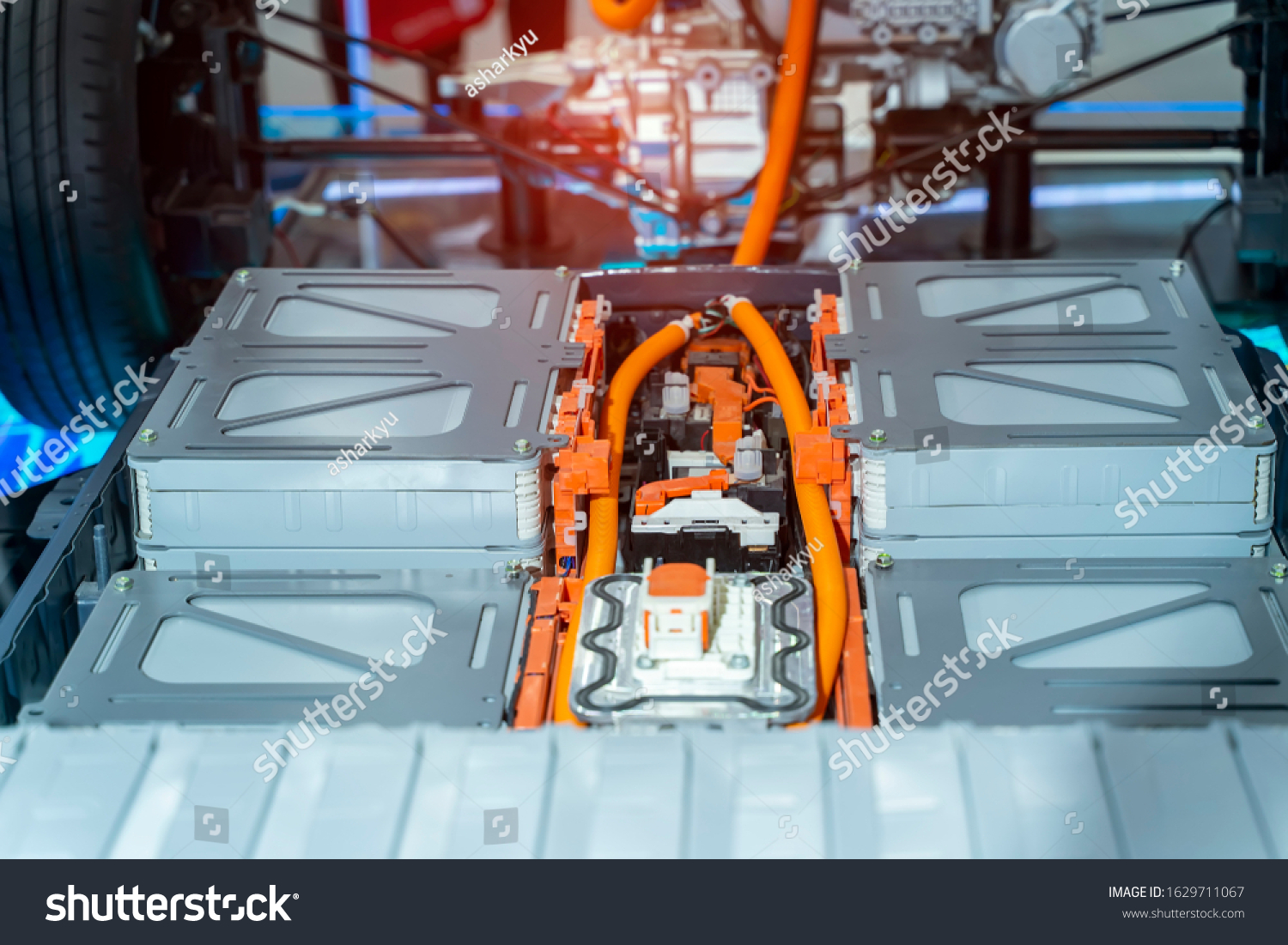
While replacing individual cells in an EV battery pack remains technically feasible in select architectures, it is neither common nor economically viable for contemporary electric vehicles. These battery systems are designed as integrated units emphasizing safety and operational efficiency. Most service centers favor complete module or pack replacements when addressing significant issues, ensuring a balanced performance across the entire battery assembly.
This replacement strategy guarantees that the integrated chemistry functions harmoniously, which is essential for sustaining optimal energy output. Unlike conventional vehicle batteries, EV battery packs lack user serviceable items; therefore, premature component replacement is rarely recommended. Understanding such limitations contributes to more informed customer choices regarding battery maintenance and replacements.
Does regenerative braking affect battery degradation?
Regenerative braking typically contributes less to battery degradation; in fact, it often promotes battery longevity by minimizing physical wear on brakes while enhancing the efficiency of energy recirculation. Regenerative braking systems tend to introduce lower currents during energy recovery, which reduces thermal strain on the batteries compared to fast charging scenarios. Hence, while regular charge and discharge practices cause wear, the benefits of regenerative braking frequently facilitate range extension without significant compromise on battery health.
Despite this, all charge and discharge cycles cumulatively contribute to battery wear. The regenerative process efficiently converts kinetic energy back into battery energy without exerting undue stress on the system. Therefore, electric vehicle owners can rest assured that employing regenerative braking remains advantageous while seeking to prevent excessive degradation across their EV battery life cycle.
How can I check my EV battery health?
To assess the health of an EV battery, users can employ various methods, ranging from simple observational techniques to sophisticated diagnostic tools. One of the primary indicators is monitoring the estimated range displayed by the vehicle, especially in comparison to the original specifications. Numerous modern EVs are equipped with software that provides a “State of Health” (SOH) percentage, representing the current battery capacity relative to its original design capacity.
For deeper insights into a battery’s health, many service technicians utilize specialized OBD-II scanners or manufacturer-specific diagnostic software, which supply detailed evaluations, including information on cell voltage balance and internal resistance measurements. Regular monitoring, particularly when signs of degradation arise, can provide critical information, enabling owners to make proactive maintenance decisions before significant issues escalate.