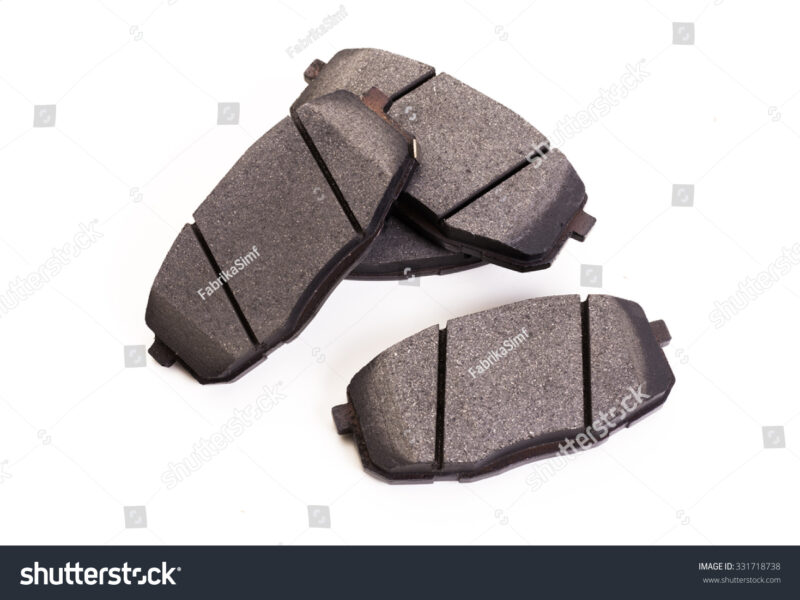
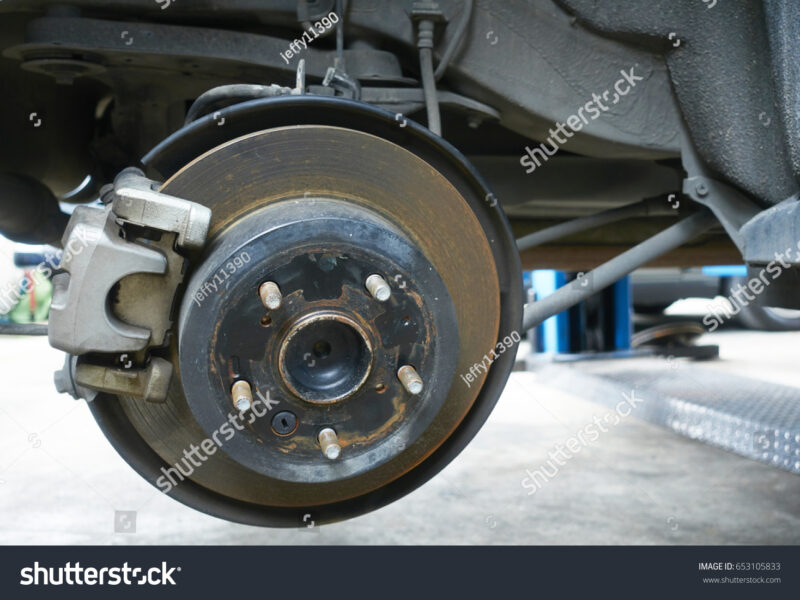
Understanding the optimal frequency for changing your vehicle’s brake pads is paramount for maintaining both driver safety and the long-term integrity of your braking system. Brake pads are critical components within the hydraulic braking system, responsible for converting kinetic energy into thermal energy through friction, ultimately slowing or stopping your vehicle. Their consistent performance is non-negotiable, and neglecting their replacement can lead to catastrophic failure, severe damage to other braking components like rotors and calipers, and significantly increased stopping distances.
While a general lifespan estimate for brake pads ranges from 30,000 to 70,000 miles, this broad spectrum underscores the variability influenced by numerous factors. These include the vehicle’s specific make and model, the type of brake pad material installed, the driver’s typical operating environment, and individual driving habits. This definitive guide will dissect these variables, providing actionable insights to help you accurately determine when your brake pads require replacement, moving beyond generic recommendations to precise, authoritative guidance.
What Factors Significantly Influence Brake Pad Lifespan?
The longevity of your brake pads is not a fixed metric but rather a dynamic outcome influenced by a confluence of engineering, environmental, and behavioral factors. A primary determinant is the vehicle itself; heavier vehicles, such as full-size SUVs like a Chevrolet Suburban or performance sedans like a BMW M3, inherently exert greater force on their braking systems due to increased mass and higher kinetic energy generation. Consequently, their brake pads, even if designed for heavy-duty use, may wear faster than those on a compact sedan like a Honda Civic under similar driving conditions.
Driving habits represent another critical variable. Aggressive driving, characterized by frequent hard braking, rapid acceleration, and sudden stops, drastically accelerates brake pad wear. For instance, a driver who routinely commutes in dense urban traffic, like downtown Los Angeles or Manhattan, will likely experience brake pad wear significantly faster than a driver primarily engaging in highway travel at consistent speeds, even if both vehicles are identical. Each deceleration event generates heat and friction, eroding the pad material incrementally. Furthermore, driving on mountainous or hilly terrain, which necessitates prolonged or frequent braking, will also shorten pad life compared to flat-terrain driving.
The type of brake pad material is also a major factor. While most original equipment manufacturer (OEM) pads are either semi-metallic or ceramic, aftermarket options also include organic (NAO) pads. Each material possesses distinct characteristics regarding friction coefficient, heat dissipation, noise generation, and wear resistance. For example, ceramic pads, commonly found on luxury vehicles like a Mercedes-Benz E-Class, tend to offer longer lifespans (often exceeding 60,000 miles) and quieter operation with less dust, but may have a higher initial cost. Conversely, semi-metallic pads, prevalent in many SUVs and trucks like a Ford F-150, provide excellent stopping power and heat resistance but can be noisier and produce more brake dust. Understanding these material differences is crucial for predicting and managing pad replacement intervals.
What Are the Typical Manufacturer Recommendations for Brake Pad Inspections and Replacements?
Vehicle manufacturers, based on extensive engineering and testing, provide specific guidelines for brake system maintenance, including brake pad inspections. Most leading automotive brands, such as Toyota, Ford, and General Motors, recommend a comprehensive brake system inspection at regular service intervals, typically every 10,000 to 12,000 miles or once a year, whichever comes first. During these inspections, technicians will measure the remaining thickness of the brake pad friction material. New brake pads typically have a thickness of 10-12 mm. Most manufacturers, like Honda and Nissan, advise replacement when the pad thickness diminishes to 3-4 mm, though some performance-oriented brands might recommend replacement at 2 mm for optimal stopping power.
It is imperative to consult your vehicle’s specific owner’s manual for the most accurate and authoritative maintenance schedule. For instance, a Subaru Outback owner might find a different recommended inspection interval compared to an owner of a Porsche 911, given the disparity in vehicle performance and intended use. These manuals often contain critical specifications, including minimum pad thickness, and can outline specific conditions under which more frequent inspections are necessary, such as heavy towing or consistent driving in extreme conditions. Adhering to these manufacturer-prescribed intervals ensures compliance with warranty requirements and maximizes the safety and efficiency of your vehicle’s braking system.
Beyond mileage and time-based recommendations, manufacturers also emphasize condition-based maintenance. This means that even if you haven’t reached the mileage threshold, any audible signs of wear, such as a high-pitched squealing from the embedded wear indicators, or tactile feedback like a spongy brake pedal, necessitates immediate inspection. Ignoring these early warning signals can lead to accelerated wear on brake rotors and potentially compromise the entire hydraulic braking system, escalating minor repair costs into significant overhauls. For a comprehensive overview of these critical indicators, refer to our detailed article on Top Signs Your Brake Pads Need Replacement and 7 Warning Signs You Need New Brake Pads: Don’t Ignore These!.
How Do Different Brake Pad Materials Affect Lifespan and Performance?
The choice of brake pad material profoundly influences not only the lifespan of the pads but also critical performance attributes such as stopping power, noise generation, dust production, and heat resistance. There are three primary types of brake pad materials widely available: organic (Non-Asbestos Organic or NAO), semi-metallic, and ceramic. Each type is engineered with specific characteristics to cater to different driving needs and vehicle types, impacting how often you might need to change them.
Organic pads, often made from materials like rubber, glass, carbon, and Kevlar, are typically the quietest and produce the least dust. They are generally softer, which means they are gentle on brake rotors but also wear down faster than other types, often requiring replacement between 25,000 and 40,000 miles. While suitable for light-duty daily driving in compact cars, their lower heat resistance makes them less ideal for heavy vehicles or aggressive driving conditions, as they can experience “brake fade” when overheated, reducing stopping effectiveness.
Semi-metallic pads, composed of 30-70% metals like copper, iron, steel, and graphite, offer excellent stopping power and superior heat dissipation, making them a popular choice for a wide range of vehicles, including trucks, SUVs, and performance cars. Their metallic content allows them to withstand higher temperatures without significant fade, providing consistent performance. However, they are typically noisier than organic or ceramic pads, produce more brake dust, and can be harder on rotors due to their abrasive nature. Their lifespan generally falls within the 30,000 to 60,000-mile range, depending heavily on driving style and vehicle application.
Ceramic pads, formulated from a dense ceramic material mixed with copper fibers, represent the pinnacle of brake pad technology in many aspects. They offer superior performance with minimal noise and significantly less brake dust compared to semi-metallic pads. Their excellent heat resistance and stable friction coefficient across varying temperatures contribute to consistent, reliable stopping power. While they are often the most expensive option, ceramic pads typically boast the longest lifespan, frequently exceeding 60,000 to 70,000 miles, and are exceptionally gentle on rotors, contributing to overall longevity of the braking system. These are commonly found in luxury and high-performance vehicles, such as a Tesla Model S or an Audi Q7.
Comparison of Common Brake Pad Materials
| Material Type | Typical Lifespan (Miles) | Performance/Stopping Power | Noise Level | Dust Production | Rotor Wear | Typical Cost (per axle) |
|---|---|---|---|---|---|---|
| Organic (NAO) | 25,000 – 40,000 | Good (light duty) | Very Low | Low | Very Low | $30 – $70 |
| Semi-Metallic | 30,000 – 60,000 | Excellent (all-purpose) | Moderate to High | High | Moderate | $40 – $90 |
| Ceramic | 60,000 – 70,000+ | Excellent (premium, consistent) | Very Low | Very Low | Low | $60 – $120 |
| Performance/Track | 10,000 – 30,000 | Superior (extreme conditions) | High | Very High | High | $100 – $300+ |
What Are the Critical Signs Indicating Immediate Brake Pad Replacement?
Beyond mileage and routine inspections, your vehicle often provides clear, unmistakable indicators that its brake pads are critically worn and require immediate attention. Recognizing these signs is not merely a matter of convenience but a crucial aspect of proactive safety. One of the most common and alarming signals is a high-pitched squealing or grinding noise when braking. This often originates from the small metal wear indicators embedded in the brake pads, designed to emit a distinct sound when the friction material has worn down to a dangerous minimum, typically around 2-3 mm.
Another tactile warning sign is a vibrating or pulsating sensation through the brake pedal or steering wheel when braking. While this can sometimes indicate warped brake rotors, it can also be a symptom of unevenly worn brake pads or pads that have reached their service limit and are causing excessive heat buildup. Furthermore, if you notice that your vehicle pulls to one side during braking, it could suggest uneven wear on the brake pads or an issue with the brake caliper assembly on one side, which necessitates prompt professional diagnosis. A visual inspection of your brake pads, if accessible, can also reveal critically low pad material, often below 3mm, which is a definitive indicator for replacement.
Finally, a noticeable increase in your vehicle’s stopping distance or a “spongy” feeling in the brake pedal, where it travels further down than usual before engaging the brakes, are critical safety warnings. While a spongy pedal can sometimes be related to air in the brake lines, which might necessitate a brake fluid flush or bleeding, as discussed in How Often Should You Bleed Your Car Brakes?, it can also indicate severely worn pads that are no longer effectively transferring force to the rotors. Addressing these signs promptly prevents further damage to the brake system, such as scoring of the rotors or failure of the caliper pistons, which would significantly increase repair costs and compromise overall vehicle safety. Regular checks of your brake fluid levels and condition, as detailed in How Often Should You Change Brake Fluid?, are also integral to brake system health.
What Are the Consequences of Neglecting Brake Pad Replacement?
Delaying the replacement of worn brake pads extends far beyond mere inconvenience; it introduces a cascade of escalating mechanical failures and severe safety hazards. The primary risk is a catastrophic reduction in braking efficiency, directly translating to increased stopping distances. In an emergency situation, even an additional few feet to stop can mean the difference between avoiding an accident and a collision, especially when traveling at highway speeds where reaction times are already critical. This diminished stopping power compromises not only your safety but also that of passengers and other road users.
Beyond safety, neglecting worn pads inflicts substantial damage on other integral components of your braking system. Once the friction material of the brake pad is completely eroded, the metal backing plate of the pad comes into direct, abrasive contact with the brake rotor. This metal-on-metal friction rapidly scores and warps the rotors, necessitating not just pad replacement but often costly rotor resurfacing or complete replacement. A single set of new rotors can easily cost between $100-$300 per axle, significantly increasing the overall repair bill compared to just replacing pads, which typically range from $30-$120 per axle depending on material.
Furthermore, prolonged metal-on-metal contact can generate excessive heat, which can damage brake calipers, boil brake fluid, and even lead to brake line failure. When brake fluid overheats, its performance degrades, and it can introduce air bubbles into the hydraulic braking system, resulting in a dangerously soft or “spongy” brake pedal. This scenario compromises the entire hydraulic system, requiring not only pad and rotor replacement but potentially caliper rebuilds or replacements, and a full brake fluid flush. Addressing brake pad wear proactively is thus an economic imperative and a critical safety measure, safeguarding both your vehicle’s mechanics and the lives of its occupants.
FAQs About Brake Pad Replacement Frequency
How often should I have my brake pads inspected, even if I don’t notice any issues?
Even without overt symptoms of wear, proactive brake pad inspections are crucial for maintaining optimal vehicle safety and performance. Most automotive manufacturers, including major brands like Toyota, Ford, and Honda, recommend a thorough inspection of the entire braking system, including pad thickness, at least every 10,000 to 12,000 miles or once per year, whichever interval is reached first. This aligns with typical routine maintenance schedules, such as oil changes or tire rotations, allowing technicians to identify potential issues before they become critical safety concerns or lead to more expensive repairs. For example, a visual inspection can confirm that the pads are wearing evenly across the rotor surface and that the calipers are functioning correctly.
During these inspections, a certified technician will measure the remaining thickness of the friction material. New pads generally start at 10-12 mm of thickness. Most professional workshops advise replacement when the pad material has worn down to 3-4 mm. Some high-performance vehicles, such as those from BMW or Audi, may have slightly different minimums, often around 2 mm, to maintain peak braking efficiency. Regular inspections provide a precise, data-driven assessment, ensuring that your brake pads are replaced based on actual wear rather than arbitrary mileage, thus maximizing their service life while prioritizing safety.
What are the key differences between front and rear brake pad wear, and why do they matter?
There is a significant difference in the wear patterns and lifespan between front and rear brake pads, primarily due to how braking force is distributed in a typical vehicle. During deceleration, weight naturally shifts towards the front of the vehicle, causing the front brakes to bear the brunt of the stopping force. In most modern vehicles, the front brakes handle approximately 60-70% of the braking effort, meaning the front brake pads and rotors experience considerably more friction, heat, and stress compared to their rear counterparts. Consequently, front brake pads generally wear out much faster than rear brake pads, often requiring replacement two to three times more frequently. For instance, if front pads last 30,000 miles, rear pads might last 60,000 to 90,000 miles on the same vehicle under similar conditions.
This disparity means that while your front pads might be critically thin at 3mm, your rear pads could still be at a healthy 6-7mm. It is a common misconception that all brake pads should be replaced simultaneously. While some technicians may recommend replacing all four at once for simplicity, it’s often more economical and equally safe to replace pads only on the axle where they are worn. However, in vehicles equipped with advanced stability control systems or electronic parking brakes, rear brake pads may wear more quickly due to constant, subtle engagement of the rear brakes to assist with stability or traction control. Always consult a professional for a comprehensive assessment of both front and rear brake components to determine the specific needs of your vehicle.
Can driving conditions, such as urban vs. highway, significantly alter brake pad replacement frequency?
Absolutely, driving conditions are one of the most significant determinants of brake pad lifespan, often more so than vehicle make or pad material type alone. Drivers who primarily operate their vehicles in dense urban environments, characterized by frequent stop-and-go traffic, numerous traffic lights, and lower average speeds, will inevitably experience accelerated brake pad wear. Each time the vehicle decelerates from a modest speed to a complete stop, the brake pads engage, generating friction and heat, which erodes the pad material. A typical urban commute might involve dozens of braking events, leading to pad replacement as early as 25,000 to 35,000 miles for standard organic or semi-metallic pads.
Conversely, drivers whose mileage predominantly consists of highway cruising at consistent speeds with minimal braking will see their brake pads last considerably longer. On the highway, braking events are fewer and often less severe, allowing the pads to remain cooler and wear at a much slower rate. It is not uncommon for highway-driven vehicles to achieve 60,000 to 70,000 miles or even more on a single set of brake pads, particularly with ceramic compounds. Similarly, driving on mountainous terrain, which necessitates prolonged or frequent braking on descents, will also significantly shorten pad life due to sustained heat and friction. Therefore, understanding your primary driving environment is crucial for accurately predicting and budgeting for brake maintenance, often necessitating more frequent checks for city drivers.
What happens if I delay changing my brake pads after hearing the wear indicators?
Delaying the replacement of brake pads once the audible wear indicators have engaged is a critical error that rapidly escalates from a simple maintenance task to a potentially dangerous and costly repair. The high-pitched squeal is specifically engineered to alert you that the pad material has worn down to a critically low level, typically 2-3mm. Continuing to drive at this stage means that the metal backing plate of the brake pad is dangerously close to, or already making intermittent contact with, the brake rotor. This metal-on-metal friction generates immense heat and causes rapid, irreversible damage to the rotors, leading to deep grooves, scoring, and warping.
Once the rotors are damaged, merely replacing the pads is insufficient. The rotors will either need to be resurfaced (if enough material remains) or, more commonly, completely replaced, which can add hundreds of dollars to the repair bill per axle. Furthermore, prolonged metal-on-metal contact can lead to brake fade, where the braking system loses effectiveness due to overheating, drastically increasing your stopping distance and posing severe safety risks. In extreme cases, the caliper pistons can be overextended, leading to caliper damage or failure, compromising the entire hydraulic braking system. Ignoring these warnings not only jeopardizes your safety but also transforms a relatively inexpensive brake pad replacement into a complex and expensive overhaul involving multiple brake system components.