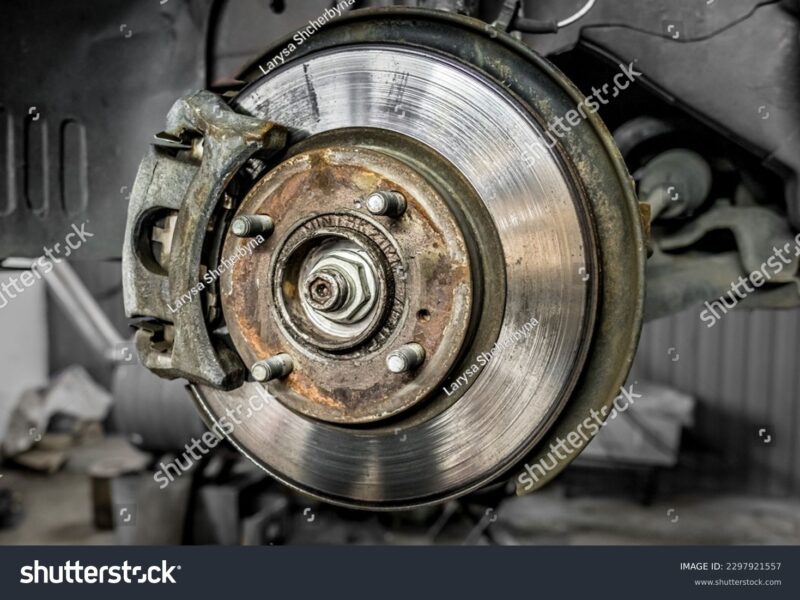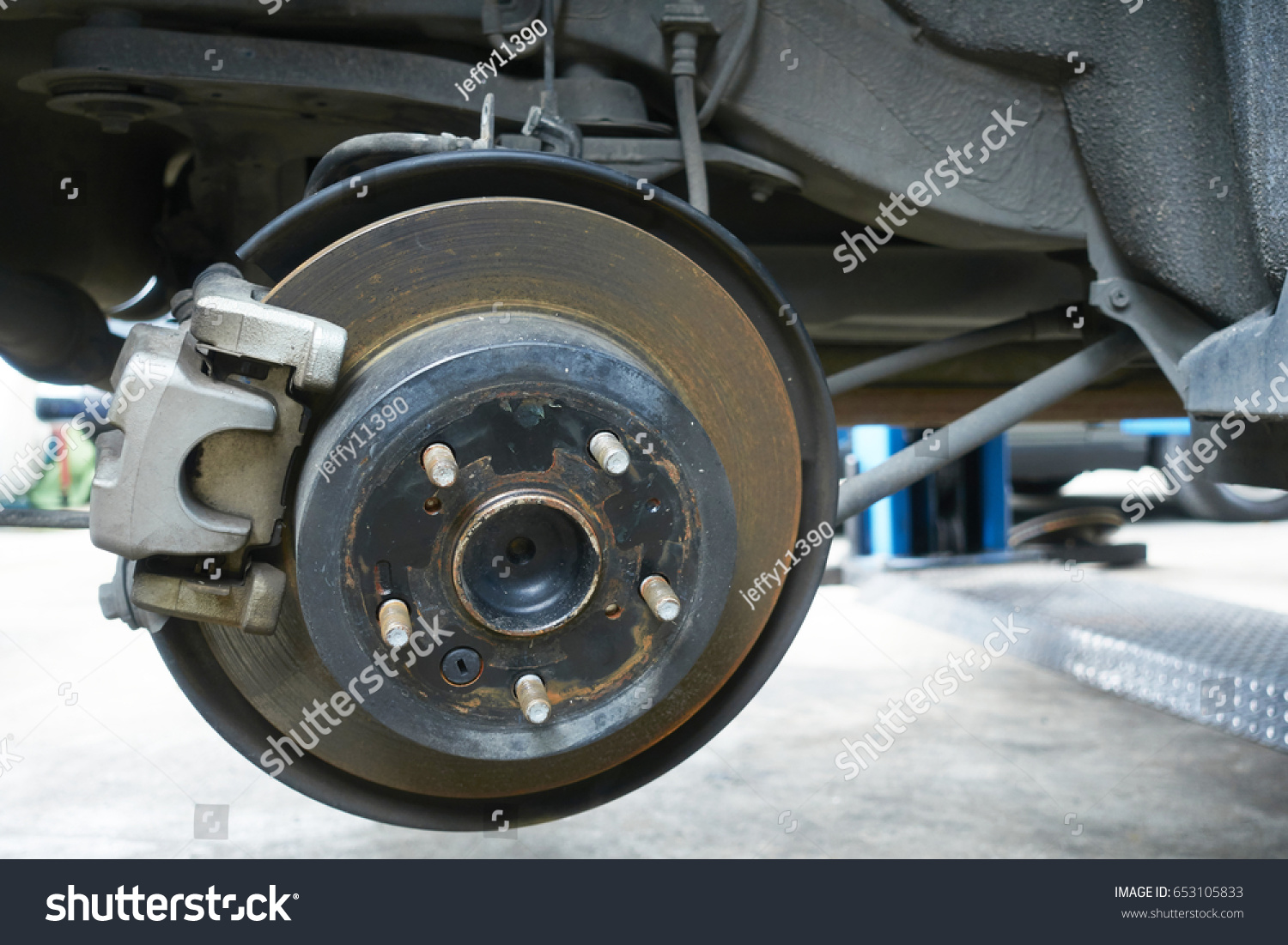
Brake pads need replacing when the friction material is down to about 3 mm (1/8 inch), roughly 75% worn, according to Haynes, the repair-manual publisher. The signs are a squeal from the metal wear tabs, a pedal that has to be pressed further, a warning light on cars with wear sensors, and, if the pads are left too long, grinding. The safest check is to look at the pads with the wheel off. This guide covers each sign and how to check.
How thick should brake pads be?
Haynes says a new brake pad is around 12 mm (1/2 inch) thick, and that pads with sensors typically start to warn you at 3 mm (1/8 inch), with a squeal or a dashboard light. It adds that most manufacturers and mechanics agree you should probably replace pads once they reach 75% worn, or 3 mm. The same article says there is no federal safety standard for the minimum brake pad material left in the U.S., and that the UK legal minimum is 1.5 mm. These are rules of thumb from one publisher (the article is from September 2019), so your car’s manual comes first.
What are the signs that brake pads are worn?
- A high-pitched squeal. Haynes says nearly all modern cars have metal tabs that contact the disc when the pad is about three-quarters worn. The wear-indicator squeal goes away briefly when you step on the brakes. The tabs won’t damage anything by rubbing, but if you wait too long you can end up with no friction material left. See why brakes squeal for other causes of noise.
- A pedal that needs to go further. Haynes calls this a dead giveaway: if you have to press the pedal further to get the same braking, the pads are wearing out. On very worn brakes the system may use fluid from the master cylinder to compensate, and running the reservoir dry lets air into the lines. See signs of low brake fluid.
- Grinding. If the metal backing plates grind on the discs, braking is much less effective and the discs are damaged. Haynes says to replace pads before the steel backing touches the disc, because it can quickly wear grooves into it.
- Pulling to one side. Haynes says this can mean the pads are worn unevenly, a pad is sitting askew in the caliper, or a caliper is sticking. Look at both sides for even wear.
- A warning light. Some pads have sensors that trigger a dashboard warning when they reach a set limit. Haynes says some pads require a visual inspection, some have audible indicators and others have sensors.
How do you check brake pad thickness?
Haynes says to check at every tire rotation, or at least once a year, and gives these steps for the front pads:
- Park on a level surface, block the wheels and set the parking brake.
- Loosen the front lug nuts.
- Jack up the front of the car and support it securely on jack stands.
- Remove the front wheels.
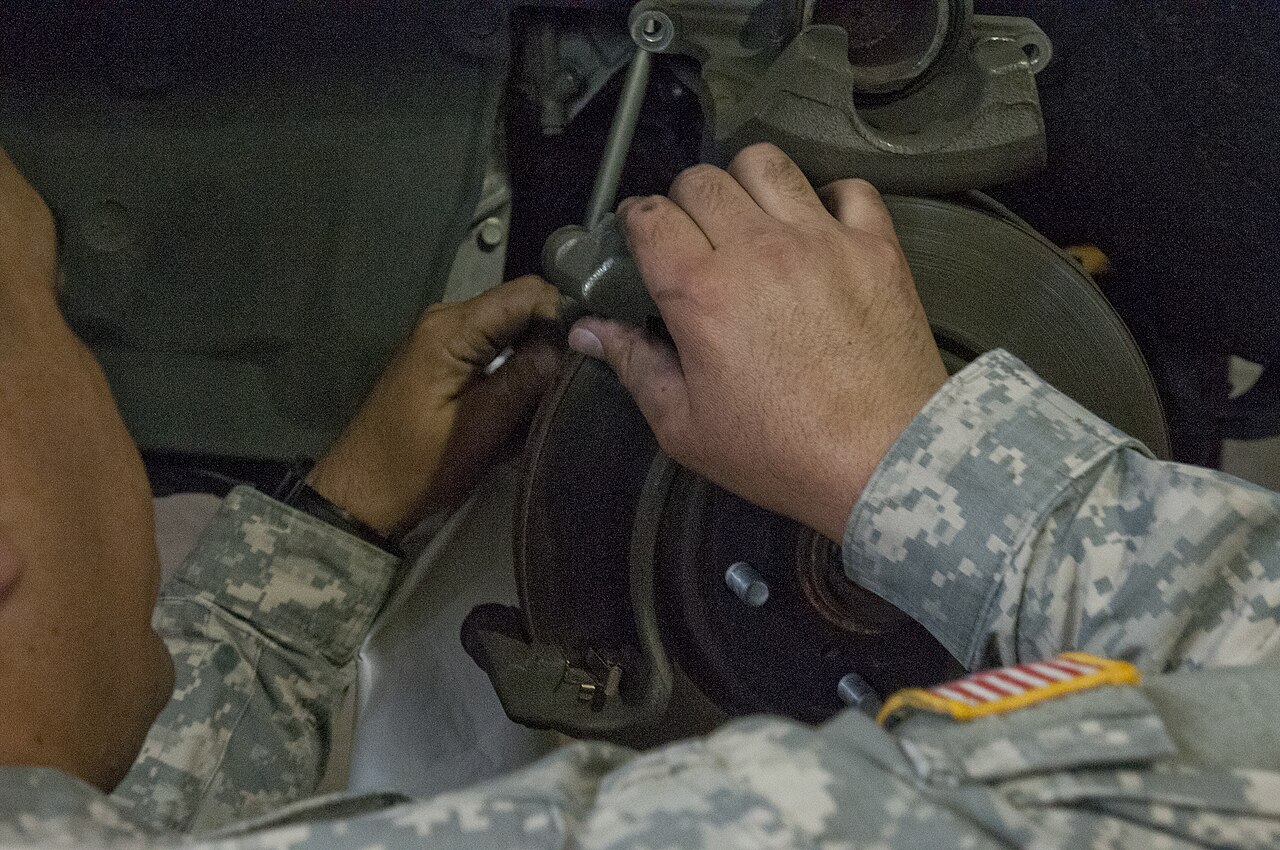
- With the wheel off, you can usually see the pad thickness through the edge of the caliper. If you can see only one pad, Haynes says to assume the other is worn at least as much.
- Refit the wheels and lower the car.
Haynes says the front brakes do roughly three quarters of the braking and tend to wear out about three times faster than the rear ones, unless you drive a truck and haul heavy loads or tow. Rear drum brakes are much harder to check, the same article says.
What should you do when the pads are worn?
- Replace them in pairs. Haynes says pads should always be changed in pairs on an axle, never one side only, even if just one side is worn.
- Consider the rotors. In its guide to brake noise, Haynes says replacing or resurfacing the rotors is also a good idea when fitting new pads.
- Do not wait for grinding. By then the discs are being damaged.
For how long pads normally last see how long brake pads last, and for the pad types see brake pad materials.
Frequently asked questions
Can I keep driving with squealing brakes?
Haynes says the wear-tab squeal does not affect braking performance and the tabs do not cause permanent damage to the discs, but the only fix is new pads, and leaving it too long can wear the pads down to the backing plate. Grinding is more serious.
How often should I check my brake pads?
At every tire rotation or at least once a year, according to Haynes.
Can I replace just one brake pad?
No. Haynes says pads should always be changed in pairs and are sold in sets with a pair for each caliper.
Sources: Haynes, “How to Check Brake Pad Thickness” (U.S., September 2019) and “Why Are My Brakes Squealing and How To Stop Them?” (October 2017).