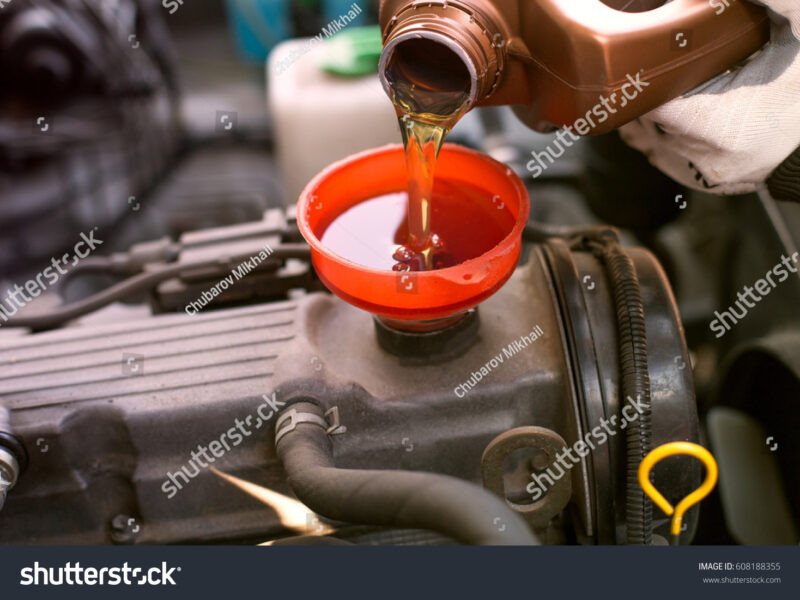
For optimal engine health and longevity, you should generally change your car’s oil filter with every oil change, which typically ranges from 5,000 to 10,000 miles or every 6 to 12 months, depending on the oil type and driving conditions.
What is the Recommended Car Oil Filter Replacement Frequency?
The standard recommendation for car oil filter replacement frequency often aligns directly with your vehicle’s engine oil change schedule. Most modern vehicles operating under normal driving conditions, especially those using conventional oil, typically require an oil filter change every 5,000 to 7,500 miles or every 6 months, whichever comes first.
However, this interval can extend to 7,500 to 10,000 miles, or even beyond 12 months, when utilizing high-quality synthetic engine oils. Always consult your specific vehicle manufacturer’s owner’s manual for the most accurate and recommended service intervals, as these can vary significantly by make, model, and engine design.
Adhering to a consistent oil filter replacement schedule is paramount. This practice ensures that contaminants are consistently removed from the engine oil, preventing accelerated wear on critical internal components like cylinder walls, camshafts, and bearings. A fresh filter maintains the cleanliness of the lubricating oil, which is vital for the smooth operation and long-term reliability of your engine.
Neglecting this crucial maintenance step can lead to a build-up of harmful particulates within the oil system, compromising lubrication and potentially causing costly engine damage over time. Therefore, syncing your oil filter replacement with your oil changes is a simple yet effective way to protect your automotive investment and ensure peak performance.
The Critical Role of Your Oil Filter in Engine Longevity
An oil filter’s primary function is to capture impurities such as dirt, metal shavings, and sludge from the circulating engine oil. This continuous filtration process is essential because the engine environment inherently generates microscopic debris from wear and tear, along with external contaminants like dust and combustion byproducts that can enter the oil system.
As engine oil circulates through the various components, it picks up these harmful particulates. Without an effective oil filter, these abrasive materials would continuously be pumped back through the engine, acting like sandpaper on vital moving parts. This significantly accelerates wear on cylinder walls, piston rings, and valve train components, leading to reduced engine efficiency and a shortened lifespan.
Over time, the filter accumulates these contaminants, diminishing its ability to filter effectively. A clogged or saturated oil filter can restrict oil flow, potentially forcing unfiltered oil through a bypass valve directly into the engine, or even leading to oil starvation in severe cases. Both scenarios are detrimental to engine health and can result in catastrophic failure.
By ensuring the oil filter is changed with every oil service, you guarantee that the engine always receives clean, well-lubricated oil. This consistent removal of contaminants is a foundational aspect of preventive maintenance, directly contributing to the engine’s optimal performance, fuel economy, and overall durability.
How Different Oil Types Influence Your Oil Filter Schedule
The type of engine oil you use plays a significant role in determining how often your oil filter should be changed. Different oil formulations possess varying levels of stability and contaminant-handling capabilities, directly impacting the effective lifespan of both the oil and the filter designed to work with it.
Understanding these differences is crucial for establishing an appropriate maintenance schedule that protects your engine without unnecessary service interventions. Pairing the correct filter with your oil type is also essential for maximizing filtration efficiency and extending service intervals safely.
Conventional Oil and Filter Lifespan
Conventional mineral oils are derived directly from crude petroleum and typically have a shorter lifespan compared to synthetic alternatives. They break down more quickly under high temperatures and severe operating conditions, leading to earlier sludge formation and increased particulate generation. Consequently, when using conventional oil, the recommended oil and filter change interval is often shorter, typically ranging from 3,000 to 5,000 miles or every 6 months.
Filters paired with conventional oils are generally designed for these shorter intervals, providing adequate filtration for the expected contaminants within that timeframe. Exceeding these limits with conventional oil can quickly lead to filter saturation and bypass operation, compromising engine protection.
Synthetic Oil and Extended Drain Intervals
Full synthetic engine oils are engineered with superior base stocks and advanced additive packages, offering significantly enhanced stability, resistance to thermal breakdown, and better cleaning properties. This allows for much longer oil change intervals, often between 7,500 to 10,000 miles, or even up to 15,000 miles in some vehicles with manufacturer approval, and typically 12 months between changes.
When using synthetic oils, it’s often recommended to use a high-performance oil filter that is specifically designed to handle the extended drain intervals and superior filtration demands. These filters often feature synthetic media that offers greater capacity and filtration efficiency over longer periods, ensuring the oil remains clean throughout its extended service life.
Synthetic Blend Oils
Synthetic blend oils combine conventional and synthetic base oils, offering a middle-ground solution in terms of performance and cost. They provide better protection and slightly longer drain intervals than conventional oils, typically ranging from 5,000 to 7,500 miles or 6 to 9 months, though specific recommendations can vary.
For synthetic blend oils, using a standard quality oil filter is usually sufficient, but opting for a synthetic media filter can provide an additional layer of protection and ensure optimal performance throughout the slightly extended service interval. Always confirm the specific recommendations for your vehicle and the chosen oil type.
Driving Conditions: Tailoring Your Oil Filter Replacement
Your driving habits and the environmental conditions you frequently encounter are crucial factors in determining the optimal frequency for changing your car’s oil filter. Automotive manufacturers typically provide different maintenance schedules based on “normal” versus “severe” driving conditions, recognizing the varying stress placed on the engine and its lubrication system.
Adhering to the appropriate schedule based on your typical driving environment is essential for prolonging engine life and maintaining peak performance. Ignoring these distinctions can lead to premature wear and potential engine issues, even if you follow a generic maintenance guideline.
Severe Driving Conditions
Severe driving conditions impose significant stress on your engine and its oil, accelerating its degradation and the accumulation of contaminants. This category includes frequent short trips (less than 10 miles), stop-and-go city driving, driving in extreme hot or cold temperatures, towing heavy loads, off-road driving, or operating in dusty environments. Under these conditions, the engine oil experiences more thermal cycles and greater exposure to combustion byproducts and external particulates.
For vehicles regularly subjected to severe driving conditions, it is strongly recommended to shorten the oil and oil filter replacement intervals. This typically means changing them every 3,000 to 5,000 miles, or every 6 months, even if using synthetic oil that might otherwise suggest longer intervals. This proactive approach ensures that the filter doesn’t become saturated prematurely, maintaining optimal filtration and preventing unfiltered oil from circulating through your engine.
Normal Driving Conditions
Normal driving conditions generally encompass regular highway driving, moderate temperatures, and infrequent short trips. In these scenarios, the engine operates more consistently at optimal temperatures, and the oil experiences less stress and fewer extreme thermal cycles. This allows both the engine oil and the oil filter to perform effectively for longer durations.
Under normal driving conditions, you can typically follow the manufacturer’s standard recommendations, which often range from 7,500 to 10,000 miles or 12 months for vehicles using synthetic oil. For conventional oil, the interval might be closer to 5,000 to 7,500 miles. Regularly assessing your driving habits against these definitions will help you maintain an effective maintenance schedule, ensuring your engine remains clean and well-protected without unnecessary service visits.
Exploring Different Types of Oil Filters and Their Materials
Oil filters are not all created equal; their design, construction, and the materials used for their filtration media vary significantly, impacting their efficiency, capacity, and the types of vehicles they are best suited for. Understanding these differences can help you make an informed choice that aligns with your engine’s needs and your chosen oil type.
The evolution of engine technology and oil formulations has driven advancements in oil filter design, with manufacturers continually developing more efficient and durable filtration solutions. Selecting the right type of filter is just as important as adhering to the correct replacement schedule for optimal engine protection.
Spin-On Oil Filters
Spin-on oil filters are perhaps the most common type, characterized by their self-contained metal canister design that threads directly onto the engine block. They contain the filter media, an anti-drain back valve to prevent oil from draining out of the filter when the engine is off, and a bypass valve to ensure oil flow in case the filter becomes clogged.
These filters are widely used across a broad range of vehicles due to their ease of installation and relatively low cost. The filtration media inside spin-on filters can vary, typically consisting of cellulose, synthetic blend, or full synthetic fibers, each offering different levels of filtration efficiency and lifespan. Higher quality spin-on filters often incorporate more durable construction and advanced media for enhanced performance.
Cartridge Oil Filters
Cartridge oil filters are increasingly common in newer vehicle designs, particularly those with smaller, more efficient engines. Unlike spin-on filters, cartridge filters consist only of the filter media element itself, which is housed within a permanent, reusable housing integrated into the engine block. This design often makes them more environmentally friendly, as only the filter element needs to be replaced, reducing waste.
The installation of cartridge filters typically involves removing a cap on the engine housing, extracting the old element, and inserting a new one. These filters often employ advanced synthetic or microglass filtration media to meet the precise filtration requirements of modern engines, which operate with tighter tolerances and often use long-life synthetic oils. Their design also typically ensures a complete seal and proper flow within the engine’s specific oil system.
Filtration Media: Cellulose, Synthetic, and Microglass
The actual material that traps contaminants within an oil filter is known as the filtration media, and its composition significantly impacts the filter’s performance. Cellulose media, made from treated paper fibers, is a common and cost-effective choice, offering good basic filtration for conventional oils and standard service intervals. However, its capacity and efficiency can be limited.
Synthetic blend media combines cellulose with synthetic fibers, improving efficiency and durability for slightly extended drain intervals. Full synthetic media, often made from polyester or fiberglass, provides superior filtration efficiency, higher contaminant capacity, and better flow characteristics, making it ideal for synthetic oils and extended service intervals (e.g., 10,000+ miles). Microglass media, a specialized synthetic material, offers even finer filtration and greater dirt-holding capacity, often found in high-performance or heavy-duty applications, allowing for maximum engine protection and extremely long filter life.
| Oil Filter Type | Primary Media | Typical Application | Recommended Interval (Miles) | Key Benefit |
|---|---|---|---|---|
| Standard Spin-On | Cellulose | Conventional Oil, Older Vehicles | 3,000 – 5,000 | Cost-Effective |
| Synthetic Blend Spin-On | Cellulose/Synthetic Blend | Synthetic Blend Oil, Modern Vehicles | 5,000 – 7,500 | Improved Durability |
| Full Synthetic Spin-On | Full Synthetic (e.g., Polyester) | Full Synthetic Oil, High Performance | 7,500 – 15,000+ | Extended Life, High Efficiency |
| Cartridge (OEM Equivalent) | Synthetic or Microglass | Newer Vehicles (OEM Specific) | 7,500 – 10,000+ | Environmentally Friendly, Precise Fit |
FAQs about Car Oil Filter Replacement
How often should you change your car’s oil filter with synthetic oil?
When using full synthetic oil, you can typically extend your car’s oil filter replacement interval to match the longer lifespan of the oil, often ranging from 7,500 to 10,000 miles or every 12 months. Some high-performance synthetic oils and filters are even rated for up to 15,000 miles. However, it is crucial to use a high-quality filter designed for extended drain intervals, usually featuring synthetic filtration media, and always refer to your vehicle manufacturer’s specific recommendations for synthetic oil use.
Can I change my oil filter without changing the oil?
While technically possible to change just the oil filter without draining all the engine oil, it is generally not recommended as a standalone maintenance practice. A significant amount of contaminated oil can remain in the engine and circulate through the new filter, diminishing its effectiveness and overall benefit. For optimal engine health, the oil filter should always be replaced in conjunction with a complete engine oil change, ensuring that both the oil and the filter are fresh and free of accumulated contaminants.
What are the signs of a clogged oil filter?
A severely clogged oil filter can manifest several warning signs, although these are often indicators of deeper engine issues requiring immediate attention. Common symptoms include a noticeable drop in oil pressure, indicated by an illuminating oil pressure warning light on your dashboard. You might also experience a metallic knocking or ticking sound from the engine due to insufficient lubrication, a decrease in engine performance, or even dark, sludgy exhaust smoke if the engine is struggling severely. Regular maintenance is the best way to prevent these issues.
What happens if I don’t change my oil filter?
Failing to change your oil filter regularly can lead to severe and costly engine damage. Over time, the filter becomes saturated with dirt, metal shavings, and sludge, losing its ability to effectively clean the engine oil. When the filter becomes completely clogged, a bypass valve may open, allowing unfiltered, contaminated oil to circulate directly through the engine. This abrasive oil will accelerate wear on critical internal components, such as bearings, camshafts, and cylinder walls, leading to reduced engine efficiency, increased fuel consumption, and eventually, premature engine failure.
Adhering to the recommended oil filter replacement schedule is a fundamental aspect of vehicle maintenance. By ensuring your engine oil is consistently clean and free of harmful contaminants, you protect vital internal components from premature wear and extend the overall lifespan of your vehicle. For more insights into maintaining critical vehicle components, you might also find value in understanding how a clean air filter impacts engine performance and fuel economy, or learn if a new cabin air filter improves AC performance. Always consult your car’s owner’s manual and consider your specific driving conditions and oil type to determine the most appropriate maintenance schedule.