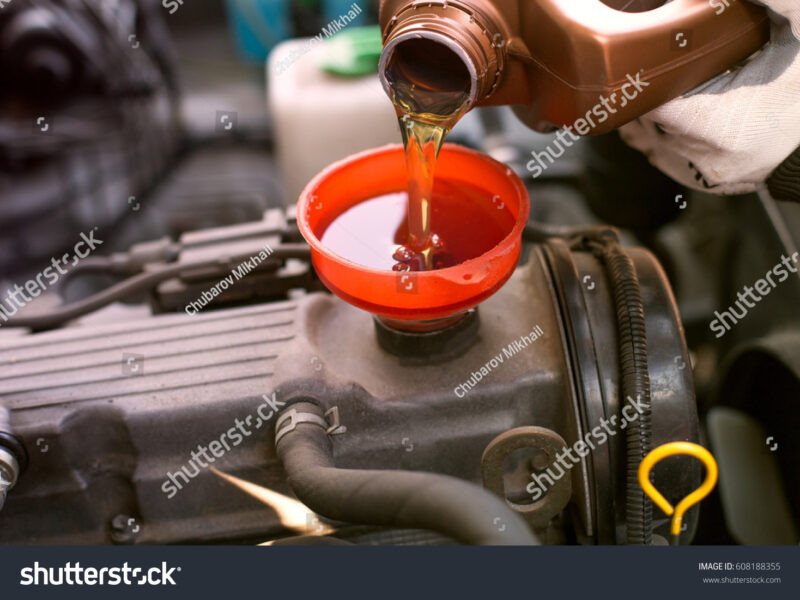
Failing to change your car’s oil filter can lead to significant engine problems, including contamination, poor performance, and ultimately engine failure.
How Does an Oil Filter Function?
The oil filter plays a critical role in maintaining engine health by removing debris and contaminants from the engine oil. As oil circulates through the engine, the filter captures harmful particles, preventing them from causing wear and tear. This process is essential to ensuring that the oil remains effective in lubricating and cooling the engine components.
An oil filter typically needs to be replaced every 5,000 to 10,000 miles, or every 6 to 12 months, depending on the type of oil used and driving conditions. If this maintenance is neglected, contaminants can accumulate, leading to reduced oil effectiveness and sluggish engine performance.
Furthermore, a clogged oil filter can cause a backflow of dirty oil, which may lead to further issues, such as oil sludge formation, ultimately resulting in a need for more extensive repairs.
What Are the Symptoms of a Bad Oil Filter?
Identifying when to replace an oil filter is crucial. Here are some signs that indicate your oil filter may be in poor condition:
1. Decreased Engine Performance
One of the most noticeable symptoms of a bad oil filter is a decrease in engine performance. A clogged filter restricts oil flow, causing the engine to work harder than necessary. This may manifest as a loss of power, sluggish acceleration, or increased operational noise.
2. Engine Overheating
When oil cannot circulate freely due to a malfunctioning filter, the engine can overheat. The oil is responsible for dissipating heat; when it becomes unable to do so, you’re at risk of severe engine damage.
3. Oil Leaks
A damaged oil filter can also lead to oil leaks. If the filter’s seal is compromised due to age or clogging, oil may leak from the filter area, causing not just potential performance issues, but also creating an environmental hazard.
4. Increased Exhaust Emissions
Dirty oil can cause incomplete combustion, leading to increased exhaust emissions. If you notice more smoke coming from the exhaust, it may be time to check the oil filter.
5. Oil Pressure Warning Light
If the oil pressure warning light illuminates on your dashboard, it could indicate a clogged oil filter. This symbol is your vehicle’s way of alerting you that your engine oil isn’t circulating properly.
Long-Term Consequences of Neglecting Oil Filter Changes
Neglecting to change your oil filter can result in substantial long-term damage to your engine. As contaminants build up, they can lead to increased friction between engine components, speeding up wear and tear.
Over time, this neglect can result in oil sludge formation, which clogs oil passages and can severely impact engine function. As a consequence, not only will you face diminished power and efficiency, but you will also encounter costly repairs as the damage becomes irreversible.
In extreme cases, the engine may seize completely, requiring a full replacement. Such failures are often preventable with regular maintenance, including timely oil filter changes.
How to Maintain Your Oil Filter?
To ensure your oil filter and engine remain in optimal condition, adhere to a strict maintenance schedule. Regularly check oil levels and inspect for leaks, alongside timely oil changes and filter replacements.
Consult your vehicle’s owner manual for specific intervals on filter changes, and consider your driving conditions—frequent short trips may necessitate more regular changes compared to highway driving.
Comparative Costs of Oil Filters
| Oil Filter Type | Average Cost | Replacement Frequency (miles) |
|---|---|---|
| Standard Oil Filter | $10 – $20 | 5,000 – 7,500 |
| High-Performance Oil Filter | $20 – $40 | 7,500 – 10,000 |
| Extended-Life Oil Filter | $25 – $50 | 10,000 – 15,000 |
FAQs
What should I do if my oil filter is clogged?
If you suspect your oil filter is clogged, stop driving your vehicle immediately. Change the filter as soon as possible to prevent further damage to your engine. Regular maintenance can help avoid such issues.
How often should I check my oil filter?
It is recommended to check your oil filter during every oil change, which should occur every 5,000 to 10,000 miles or 6 to 12 months. Regular checks will ensure optimal performance and engine health.
Can I change my oil filter myself?
Yes, changing your oil filter can be done as a DIY task if you have the necessary tools and knowledge. However, consulting a professional mechanic is advisable if you’re unsure of the procedures involved.
What type of oil filter is best for my vehicle?
The best oil filter for your vehicle will depend on the manufacturer’s specifications and your engine type. Standard filters are generally sufficient for regular driving conditions, while high-performance or extended-life filters may be necessary for demanding environments.
Where can I learn more about oil filter maintenance?
For additional information, consider reading our articles on Oil Filter Replacement Schedule: How Often Should You Change Your Car’s Oil Filter?, Understanding Different Types of Car Air Filters, and 5 Symptoms of a Dirty Car Air Filter.