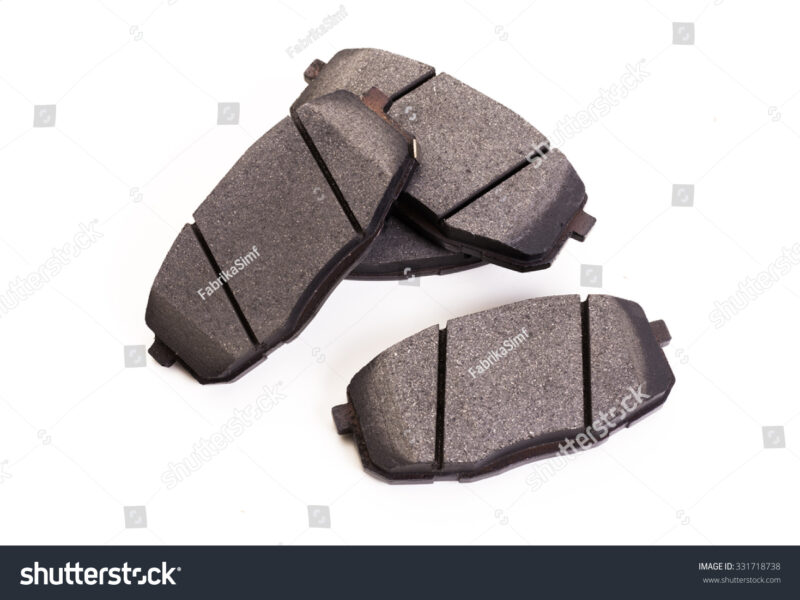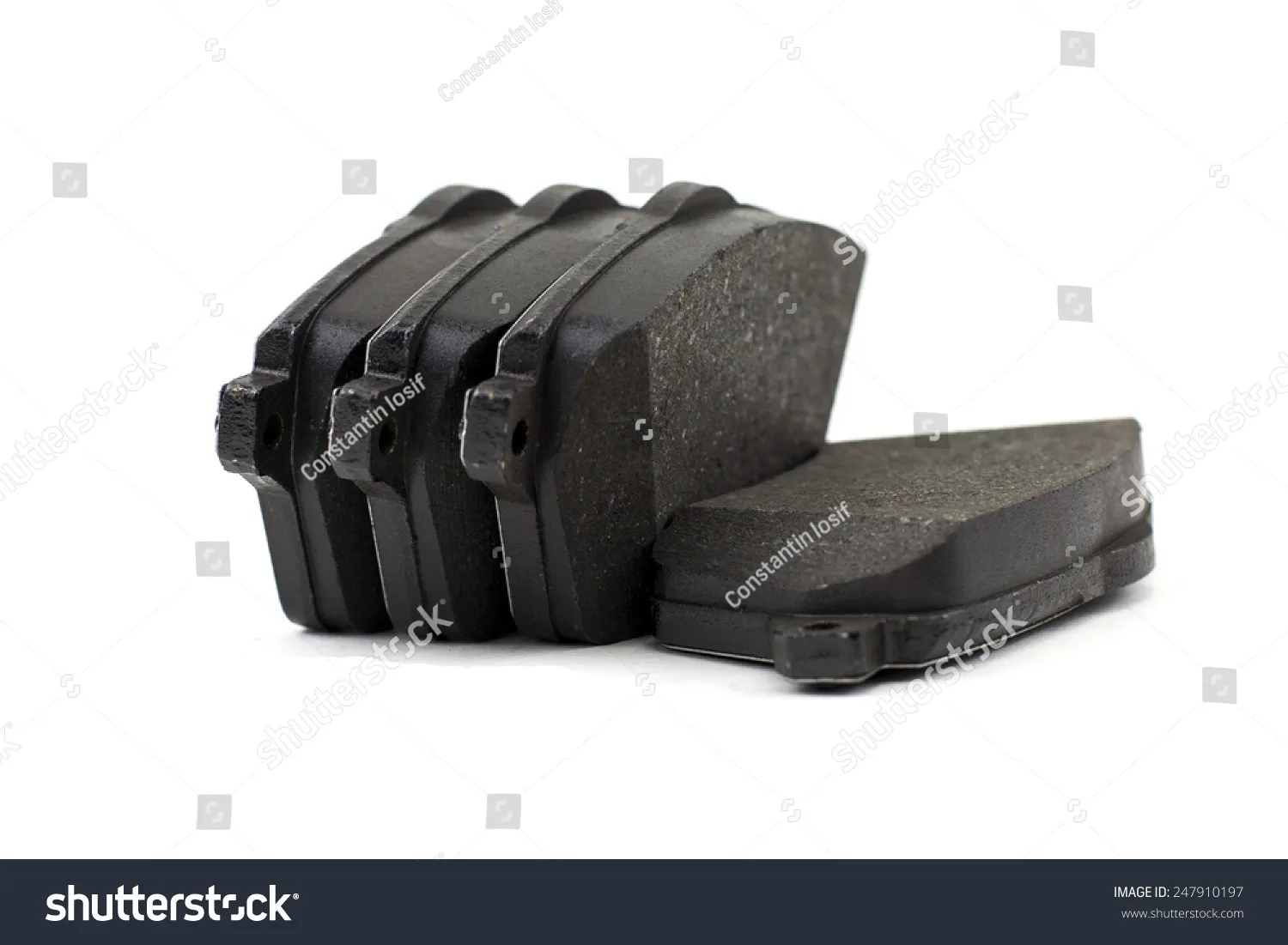
For drivers seeking a serene journey, selecting the best brake pads is paramount, as the right choice can significantly reduce unwanted squeals and grinding during deceleration. The following comprehensive guide will delve into the diverse range of brake pad types, detailing performance metrics, acoustic properties, and material compositions specifically to help you make an informed decision tailored to your unique driving needs.
Why is It Essential to Choose the Best Brake Pads for Your Vehicle?
Selecting the appropriate brake pads is crucial not just for quiet operation, but also for overall vehicle safety and efficiency. Suboptimal brake pads can cause significant disruptions in the braking system, which may lead to an unsafe driving experience. Excessive noise not only detracts from the serenity of driving but may also signal poor performance and potential mechanical failures. Understanding these implications can guide you towards making the best choice and optimizing your vehicle’s braking system.
Modern advancements in brake pad technology have elevated options available on the market today, particularly in terms of noise reduction and longevity. Recognizing that both acoustic comfort and raw stopping power are essential components can enhance the driving experience while also fostering driver and passenger safety. Engaging with the right materials and builds can significantly influence performance, life span, and noise reduction capabilities.
For instance, when we place high-quality options against inferior counterparts, the differences can be staggering. Premium pads can introduce advanced composites capable of shutting down noise-producing vibrations while meeting or exceeding OEM specifications. This appropriate selection creates not just an auditory environment conducive to a pleasant journey, but contributes to overall clutch stability and longevity.
How Do Brake Pad Materials Affect Performance and Noise Levels?
The material composition of brake pads predominantly influences their performance attributes, including effective stopping power, lifespan, dust production, and crucially, noise levels. The two most prevalent types for contemporary vehicles are ceramic and semi-metallic pads, each presenting distinct benefits and drawbacks based on driving style and preferences. By understanding their characteristics, drivers can select the ideal brake pad that aligns with their expectations regarding noise management and overall performance.
Ceramic brake pads are distinct for their ability to deliver robust stopping capabilities while producing less noise and minimal dust compared to their semi-metallic counterparts. Made from a composite of ceramic fibers, non-ferrous materials, and specially formulated fillers, these pads benefit from a uniquely engineered structure capable of withstanding a range of temperatures and driving conditions, making them suitable for everyday use. Brands like Akebono, Brembo, and Power Stop consistently provide top-tier ceramic brake options that guarantee both quiet performance and durability.
On the other hand, semi-metallic brake pads, composed primarily of metals such as copper, steel, and other materials, are known for their superior performance under high-stress conditions. While they typically offer better initial bite and heat dissipation, they often generate higher noise levels due to the nature of metal-on-metal interaction during braking. Therefore, advanced formulations, along with innovations such as special shims and designs, seek to reduce the noise associated with these types of pads without sacrificing braking efficacy.
What Are the Distinct Advantages of Ceramic Brake Pads?
Ceramic brake pads often top the list of preferred choices for many drivers due to their lower noise profile and reduced brake dust production. The balanced composition that allows for minimal friction results in less vibration and noise during operation. For example, Akebono ceramic pads are routinely recognized for providing Original Equipment (OE) quality while offering impressive noise-reducing capabilities.
As evidence of their quality, ceramic pads typically exhibit a lifespan of 30,000 to 70,000 miles, making them an economical option as well as a practical choice. Features such as heat dissipation and reduced fade enhance reliability under typical driving conditions, ensuring that they perform consistently without sacrificing vehicle safety. Superior heat management translates into stability during varied driving conditions, an aspect highly beneficial for drivers who frequently encounter diverse environments.
Another significant advantage of ceramic pads is their relatively low entropy concerning rotor wear. Unlike semi-metallic variants, ceramics are less abrasive, ensuring that your rotors extend their lifespan too, thus reducing maintenance costs in the long run. The choice of utilizing ceramic brake pads aligns with commitments to upkeep not only the braking system’s integrity but also the overall vehicle health.
What Are the Key Characteristics of Semi-Metallic Brake Pads?
Semi-metallic brake pads have carved a niche, particularly for those requiring enhanced stopping power in demanding driving conditions. Comprised largely of metal composites, they contain approximately 30% to 70% of metallic content, which translates into superior heat transfer and resilience during heavy braking operations. In scenarios where prompt stopping is essential, as encountered often in performance vehicles or heavy loads, semi-metallic pads provide remarkable initial bite.
However, one must consider that the metallic components significantly influence noise levels and dust production. Many manufacturers now offer advanced formulations designed to mitigate these issues through the implementation of noise-dampening shims and specialized designs that minimize vibrations. Notably, brands like EBC Brakes and Hawk Performance have developed their semi-metallic options—including the Yellowstuff and HPS Street lines—to address the concerns of noise without compromising performance.
While semi-metallic brake pads are not as silent as ceramic pads, they uniquely excel in performance-oriented scenarios, particularly in high-temperature situations where traditional brake pads might fade. For instance, StopTech Street Performance pads utilize specific compounds and shims, effectively curbing some of the noise while still delivering a strong initial bite. As with any braking component, maintaining balance between performance and acoustic comfort is a key consideration.
What Are the Best Options for Quiet Brake Pads Currently on the Market?
Identifying the best brake pads for quiet operation involves a comprehensive analysis of user reviews, expert evaluations, and performance metrics. Ceramic brake pads frequently emerge as the preferred choice for quiet braking due to their inherent properties of noise-dampening and minimal dust production. Renowned options such as Akebono, Brembo, and Power Stop offer impressive formulations that cater to drivers prioritizing clean, quiet performance.
Akebono’s ceramic pads have garnered a reputation for OE-quality performance while delivering ultra-quiet operation, making them a popular choice among vehicle owners. Similarly, Brembo specializes in high-performance braking solutions and their ceramic options provide an ideal balance of quietness and robust stopping power. Additionally, Power Stop’s Z23 Evolution Sport Carbon-Fiber Ceramic pads present a unique carbon-fiber-augmented composition designed for enhanced braking capabilities while ensuring little noise and minimal dust accumulation.
On the other hand, metallic options exist that have made great strides in noise reduction while maintaining high-performance standards. EBC Brakes, particularly through their Yellowstuff and Redstuff series, emphasize noise-reduction while fulfilling the performance criteria for motorsport enthusiasts. Hawk Performance’s HPS Street pads likewise gain ratings for quiet performance, allowing drivers to experience aggressive braking without the unwanted soundtrack of squealing.
What Factors Beyond Material Influence Brake Pad Noise?
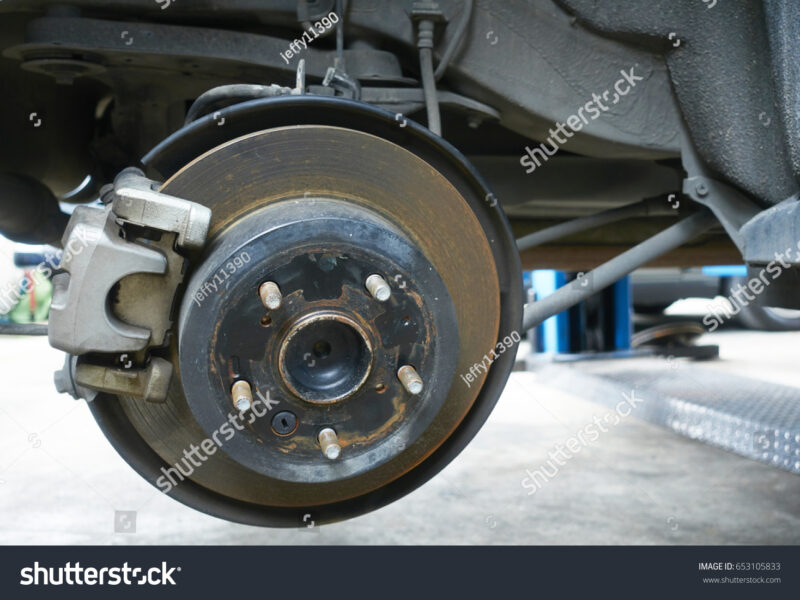
While the material choice plays a pivotal role in determining brake pad noise, several additional factors must be considered to achieve the optimal braking experience. Correct installation is fundamental, as improperly installed pads or hardware can contribute to vibration and unwanted noise. Furthermore, the performance of calipers is significant; stuck or malfunctioning calipers may lead to uneven wear patterns that generate sound during braking.
The state of the rotors also greatly affects the auditory experience during braking. Warped or unevenly worn rotors can provoke vibrations that resonate through the pads, generating an array of noises that may aggravate drivers. Moreover, debris buildup or surface rust can also momentarily create squeals until it is worn away through regular use.
Last but not least, external conditions, including driving habits and environmental factors, play substantial roles in brake noise. Sudden or aggressive braking can overheat both pads and rotors, making them susceptible to increased sound during operation. Conversely, consistent light braking can lead to inadequate cleaning of the rotor surface, causing noise-inducing buildup. Weather conditions, particularly cold or damp climates, can temporarily amplify the sound until the pads have warmed adequately.
How to Ensure Longevity and Minimize Noise in Brake Pads?
Maintaining brake pad longevity and minimizing noise involves a combination of selecting quality components and adhering to sound driving and maintenance practices. One critical aspect is the brake pad bedding-in process, which creates optimal contact between the pads and rotors. This process entails a sequence of moderate stops designed to transfer an ideal layer of pad material onto the rotor surface, optimizing performance.
Generally, brake pads have a lifespan of 30,000 to 70,000 miles, though this can vary considerably depending on the driving conditions and vehicle type. For example, urban driving with heavy stop-and-go traffic will reduce the lifespan of the pads far sooner than highway cruising. To prevent noise and other performance issues, routine inspection of the brake system, including calipers, rotors, and the pads themselves, is vital.
In addition, several strategies can be enacted to further reduce brake noise. High-temperature brake lubricant applied to caliper pins and the back of the pads where they contact the bracket can help dampen unwanted sounds. Utilizing the best-quality components promotes a holistic silent braking experience, as outlined in our guide to the best brake pads for quiet stopping.
Brake Pads vs. Brake Shoes: Which Is More Suitable for Your Vehicle?
Understanding the critical differences between brake pads and brake shoes is vital for optimizing your vehicle’s braking system and ensuring a quiet experience. Brake pads are integral to disc brake systems, prevalent in most modern vehicles, comprising flat components that press against rotors to create friction and decelerate the vehicle.
In contrast, brake shoes are part of drum brake systems, typically found in older vehicles or specific lower-end models. These curved components push outward against the interior of a spinning drum for frictional force generation. Despite both offering the same ultimate purpose, the operational design, characteristics, and performance metrics significantly differentiate them. For a deeper dive into this subject, explore our article on brake pads versus brake shoes.
Comparative Analysis: Ceramic vs. Metallic Brake Pads
Consumers often need to evaluate the unique characteristics of ceramic and metallic brake pads to determine the most suitable choice for their particular driving style and preferences. The table below outlines critical distinctions that may aid in decision-making:
| Feature | Ceramic Brake Pads | Metallic Brake Pads |
|---|---|---|
| Noise Level | Very Low (Quietest option) | Moderate to High (Can be noisy, but advanced formulations reduce noise) |
| Dust Production | Very Low (Light-colored, less noticeable) | Moderate to High (Darker, more noticeable) |
| Stopping Power | Consistent, good in most conditions | Excellent, high-performance situations |
| Heat Resistance | Good (Reduced fade capability) | Excellent (Well-suited for extreme heat conditions) |
| Lifespan | 30,000 to 70,000 miles on average | Generally shorter lifespan with aggressive driving |
| Environmental Impact | Environmentally friendly, less hazardous waste | Higher toxicity due to metal content |
FAQs About Best Brake Pads
What Are the Common Causes of Brake Noise?
Brake noise is often caused by vibrations within the braking system. Common issues include improper installation, worn or warped rotors, caliper malfunctions, or the materials used in brake pads. A lack of sufficient lubrication on contact points or debris on the rotor surface can contribute to excessive noise as well. The friction interaction between the brake pad and rotor should ideally be smooth, and when impediments occur, they produce audible sounds. Utilizing anti-squeal shims and ensuring the correct application of brake grease can significantly lessen these disturbances.
In conditions such as extreme cold or wet weather, sounds generated can sometimes increase temporarily until the components reach optimal operating conditions. The adaptation of employing higher-quality components that meet demanding performance standards can drastically reduce these noise provocations. Adhering to proper installation and maintenance protocols can help minimize frequent noise issues.
Are Ceramic Brake Pads Guaranteed to Operate Silently?
Ceramic brake pads are designed and engineered to minimize noise, making them generally the quietest braking option available. However, they do not always guarantee absolute silence. Multiple external factors such as installation quality, rotor condition, and environmental conditions can still contribute to noise generation. Progressively worn rotors, for instance, can create vibrations that translate into sounds, even with ceramic pads in place. Compared to other materials, without doubt, ceramics exhibit a significantly lower likelihood of producing unwanted noises.
Therefore, while ceramic pads tend to offer a predominantly quiet experience under normal circumstances, there may still be instances when sounds could arise. Choosing a reliable brand and maintaining proper installation can vastly improve acoustic quality and contribute to a satisfying driving experience.
How Frequently Should Brake Pads Be Replaced to Ensure Quiet Operation?
Brake pad lifespan typically ranges from 30,000 to 70,000 miles, depending strongly on the driving conditions and the type of pad used. To maintain quiet operation, regular inspections by experienced mechanics to identify signs of wear is crucial. Replacing pads before reaching their wear limits, especially when patterns of irregular wear occur, could prevent noise-related disturbances and ensure steady braking performance.
Driving patterns also significantly impact wear rates. Frequent city driving, with heavy stop-and-go traffic, tends to deplete the materials faster than on highways where a more constant speed prevails. Establishing a routine of regular checks can help mitigate costs, reduce risk, and safeguard both the performance and comfort level of your braking system.