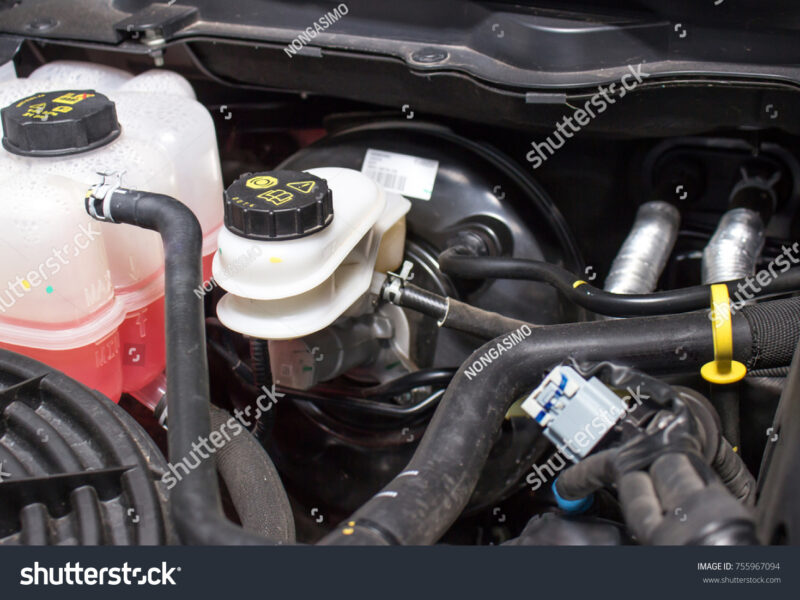
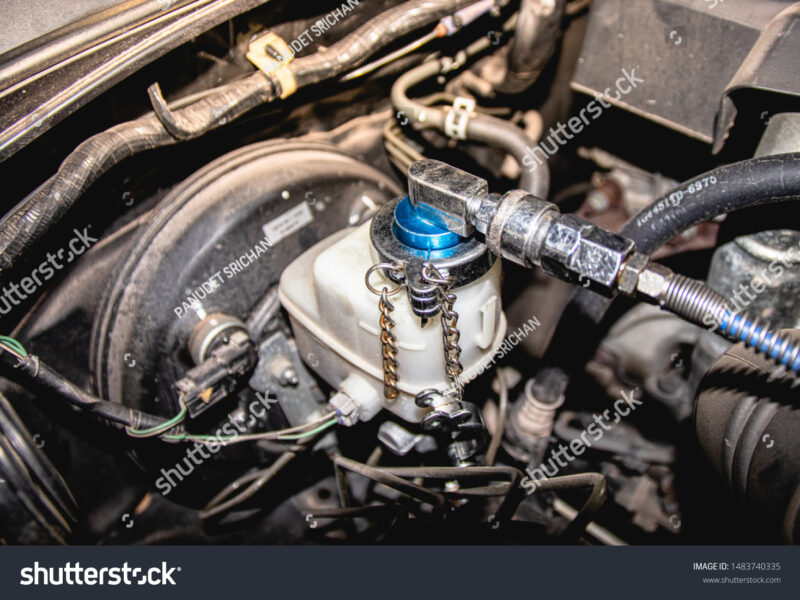
Understanding the DIY brake fluid flush cost is crucial for vehicle owners looking to maintain braking efficiency and enhance safety. While the average cost for a professional brake fluid flush typically ranges from $100 to $225, opting for a DIY approach can significantly reduce this expense. By breaking down the costs associated with a DIY brake fluid flush, we can provide a more concrete understanding of what to expect.
What Factors Influence the Cost of a DIY Brake Fluid Flush?
Several key elements dictate the total expenses involved in a DIY brake fluid flush. Firstly, the type of vehicle plays a significant role in determining costs. For instance, a standard sedan may require only basic supplies like DOT 3 brake fluid, which can cost approximately $10 for a quart. In contrast, a luxury vehicle like a Porsche or high-performance car with a more advanced braking system may necessitate specialized high-grade brake fluid such as Castrol SRF, which can exceed $50 per liter. Thus, selecting suitable brake fluid can lead to cost variations.
Additionally, the region where you perform the flush can impact expenses. For example, if you live in metropolitan areas like New York City, might expect to pay higher prices for tools and supplies due to elevated living costs compared to rural locations. A basic brake bleeder kit can be found online for around $20-$40, but local prices may vary widely, influencing your overall expenditure.
Moreover, preparation for unexpected costs is wise; common mistakes can lead to further repairs. A poorly executed flush could potentially trap air in the brake lines, which leads to spongy brakes and might require a professional service visit costing up to $120 for correction. Thus, for a DIY brake fluid flush to be economical, one must have a clear understanding of the intricacies involved.
What Are the Total Costs of a DIY Brake Fluid Flush?
The total costs of a DIY brake fluid flush typically range from $30 to $80 depending on the tools and materials required. Fundamental items include a quart of brake fluid, a brake bleeder kit, and possibly siphoning devices. Here’s a breakdown of each component:
- Brake Fluid: Depending on your vehicle’s requirements, the cost can range from $10 to $50 per quart;
- Brake Bleeder Kit: Prices vary widely, from $15 for a basic manual kit to $40 for more advanced kits with a vacuum assist.
- Miscellaneous Tools: Additional tools such as a turkey baster for old fluid extraction might add around $5 to $10.
In total, initial costs for a DIY flush can be as low as $30, but could rise to $80 or more when acquiring quality tools and supplies. It’s important to consider that these costs will be incurred every two years or 24,000 miles, as per manufacturer recommendations to ensure optimal brake performance and system integrity.
What Are the Benefits and Risks of DIY Brake Fluid Flushing?
The advantages of performing a DIY brake fluid flush are compelling. Foremost is the potential for significant savings; while professional services cost between $100 and $225, DIY options can decrease this expense to as low as $30. Additionally, executing the flush allows for a better understanding of your vehicle’s braking system and fosters independence as a vehicle owner. By doing the process yourself, you gain hands-on experience and can ensure the job is done right without relying on a third-party mechanic.
However, there are inherent risks in undertaking a DIY fluid flush. A misapplication or lack of attention could inadvertently introduce air into the braking system, severely compromising brake performance. Affected systems may result in approximately $100 in repairs to correct mistakes, negating the initial savings. Therefore, it’s crucial to be adequately informed and attentive to each step in the procedure.
For those uncertain about their capabilities, there may be peace of mind in hiring professionals, ensuring both compliance with safety standards and leveraging their extensive knowledge of potential underlying brake issues not apparent to the DIYer. For a comprehensive overview of how to effectively change your brake fluid, our article on How to Change Your Brake Fluid: A Complete DIY Guide can be extremely helpful.
Why Professional Brake Fluid Flush Might Be Worth the Cost?
While DIY brake fluid flushes offer economic benefits, choosing a professional service can provide significant long-term advantages that validate the higher upfront cost, typically ranging from $100 to $225. The comprehensive inspections included in such services can assist in highlighting critical issues within the braking system that a DIY flush may overlook, such as worn brake pads or faulty brake lines.
One of the primary advantages of professional services is the assurance of quality. Expert mechanics possess not only specialized tools but also comprehensive training capable of identifying potential safety threats. For instance, if a brake fluid flush in a Chevy Malibu reveals underlying issues like moisture ingress or brake rotors in need of replacement, it could lead to a proactive approach to repairs and enhanced safety. This side of the service is invaluable compared to merely replacing fluid.
Consequently, although individuals may be tempted by DIY solutions, it is vital to understand that improper execution can elevate risks. A professional service ensures comprehensive and compliant methods, which instills confidence in the performance and reliability of your vehicle’s braking system.
Comparative Table: DIY vs. Professional Brake Fluid Flush Costs
| Service Type | Approximate Cost | Included Services |
|---|---|---|
| DIY Brake Fluid Flush | $30 – $80 | Basic fluid replacement, minimal inspection |
| Professional Brake Fluid Flush | $100 – $225 | Fluid replacement, comprehensive system inspection |
What Are the Risks of Neglecting Brake Fluid Maintenance?
Neglecting brake fluid maintenance is a serious risk that can lead to catastrophic consequences. Over time, brake fluid absorbs moisture from the air leading to contamination, which compromises its effectiveness. For instance, waterlogged brake fluid can dramatically lower the boiling point, resulting in reduced braking performance and an increased likelihood of brake failure. Statistics show that improper brake fluid maintenance contributes to more than 35% of all road accidents due to failed brakes.
Furthermore, failing to replace contaminated brake fluid can induce systemic corrosion within the braking system, instigating costly repairs that can range from $200 to $500 depending on the damage. Regular inspections and compliance with replacement schedules—every two years or 24,000 miles—are not merely recommended but essential for maintaining both vehicle performance and occupant safety.
FAQs
How often should you perform a brake fluid flush?
Manufacturers generally recommend changing your brake fluid every two years or 24,000 miles (approximately 38,624 kilometers). This frequent change prevents contamination and maintains hydraulic system effectiveness. For specific vehicles, such as high-performance vehicles like the Ford Mustang, the manufacturer may even recommend more frequent services due to increased operational stress on the brake system.
Moreover, if the vehicle manifests unusual symptoms such as a spongy brake pedal or inconsistent stopping power, it may signal a need for a premature fluid flush. Those who subject their vehicles to severe driving conditions—such as racing or heavy towing—should consult their service manual for tailored advice regarding brake fluid maintenance frequency.
What should I expect to pay for a professional brake fluid flush?
The average cost for a professional brake fluid flush varies between $100 and $225, depending on the vehicle type and location. Luxury brands, such as Mercedes-Benz or Tesla, may incur higher fees exceeding $300 due to more complex systems and specialized fluids. Meanwhile, standard vehicles like Toyotas or Hondas typically settle in the lower end of the spectrum.
To make the most informed decision, it is prudent to request quotes from multiple automotive service centers. However, bear in mind that while pricing is essential, the expertise and assurance of a certified mechanic often bring additional value that transcends mere cost considerations.
Is a DIY brake fluid flush worth it?
Opting for a DIY brake fluid flush can provide substantial labor cost savings, generally falling between $30 to $80. If you posses a sound understanding of your vehicle’s braking system, this approach can yield satisfactory results. However, you must also recognize the potential risks. Incorrectly executing the flush may introduce air into the system, leading to performance issues, necessitating undoing efforts and resulting in additional costs.
Before deciding on the DIY route, evaluate your skills realistically and consider the specifics of your braking systems. For those feeling confident, utilizing resources such as our Complete DIY Guide can be beneficial. Otherwise, seeking professional assistance remains a prudent choice for ensuring safety and reliability in your vehicle’s braking system.
What are the signs that I need a brake fluid flush?
Several indicators suggest the immediate need for a brake fluid flush. An unmistakable sign is a spongy brake pedal feel, where the pedal feels less responsive or soft underfoot, coupled with reduced performance requiring unnecessary force to achieve normal stopping. If the brake fluid appears dark or discolored, it’s indicative of contamination and necessitates urgent action. For example, taking a brake fluid sample from a Honda Accord and finding dark fluid can be a strong signal that immediate flushing is required.
Regular monitoring is crucial in spotting these signs before issues escalate. A proactive approach includes keeping an eye on your brake fluid reservoir and seeking professional insight at the first indication of irregular symptoms, ensuring both personal and public safety on the roads.
What types of brake fluid should I consider?
Brake fluid types are classified as DOT 3, DOT 4, and DOT 5, each serving distinct vehicle requirements. For instance, vehicles designed with anti-lock braking systems typically benefit from DOT 4 fluid due to its superior boiling point, whereas standard vehicles might only necessitate DOT 3. It’s essential to always reference your vehicle’s manual for specific fluid recommendations tailored to your braking system.
Utilizing fluid that meets or exceeds the manufacturer’s criteria is critical; opting for low-quality products can jeopardize your system’s performance, possibly leading to severe safety issues. Thus, conducting thorough research on the suitable types before making a purchase will ultimately ensure optimal performance and effectiveness when replacing your brake fluid.