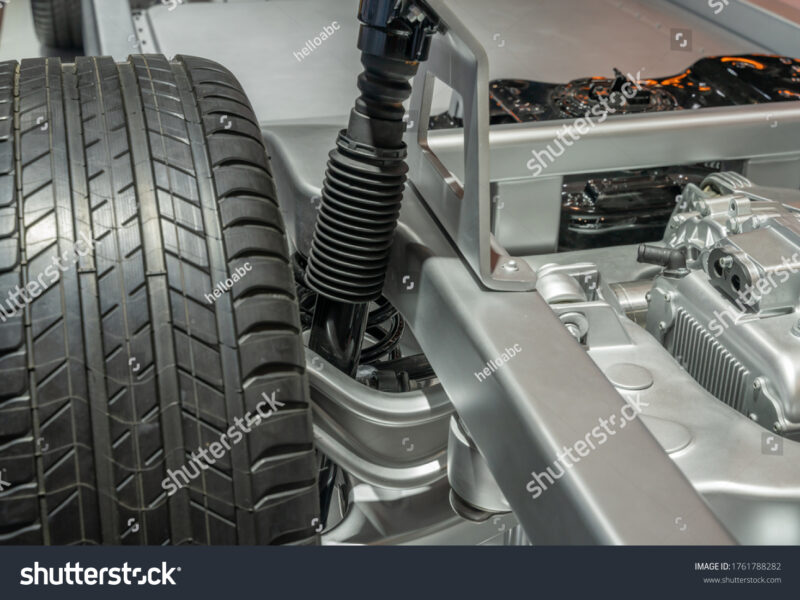
For Tesla Model 3 owners, selecting the best all-season tires is not merely a matter of preference but a necessity for optimizing vehicle range, performance, and safety. The unique dynamics of electric vehicles, particularly the Tesla Model 3, require specially engineered tires that address the challenges posed by their weight and instant torque capabilities.
Why are All-Season Tires Important for Tesla Model 3?
All-season tires play a pivotal role for Tesla Model 3 owners who seek a versatile and reliable tire option across diverse weather conditions. With the Tesla Model 3 tipping the scales at approximately 3,582 pounds, the tires must endure significant forces during everyday driving. The right all-season tires not only enhance grip and ride comfort but also extend tire longevity, which is paramount for a premium electric vehicle. Just as selecting the optimal tires is crucial for larger electric SUVs like the Tesla Model X, it is equally important for the Model 3, given its unique driving parameters.
The instantaneous torque delivery characteristic of the Model 3’s electric motor places more demands on the tires compared to traditional gasoline vehicles. As such, selecting tires specifically designed to handle these unique performance requirements can result in improved handling, safety, and efficiency during acceleration and cornering.
Moreover, all-season tires are engineered to provide adequate performance in various conditions, including wet, dry, and light snow. This versatility is especially beneficial for drivers in regions with fluctuating climates, allowing Tesla Model 3 owners to maintain optimal control and safety under varying weather conditions.
What Are the Top 5 All-Season Tires for Tesla Model 3?
| Tire Model | Rolling Resistance (Coefficient) | Treadwear Rating | Price per Tire | Warranty (Miles) |
|---|---|---|---|---|
| Michelin CrossClimate2 | 0.08 | 600 | $205 | 60,000 |
| Continental TrueContact Tour | 0.07 | 800 | $185 | 80,000 |
| Bridgestone Turanza QuietTrack | 0.06 | 700 | $220 | 80,000 |
| Goodyear Assurance WeatherReady | 0.07 | 640 | $190 | 60,000 |
| Pirelli Cinturato P7 All Season Plus | 0.08 | 500 | $195 | 70,000 |
How Does Tire Performance Affect Tesla Model 3 Efficiency?
The performance and efficiency of the Tesla Model 3 are heavily influenced by the quality and type of tires selected. All-season tires are designed with specific tread patterns and rubber compounds that optimize grip and reduce rolling resistance, making them essential for maximizing range. For instance, the Continental TrueContact Tour boasts a low rolling resistance coefficient (0.07) and a high treadwear rating (800), making it an excellent choice for those prioritizing longevity and efficiency.
In electric vehicles, rolling resistance directly affects energy consumption; thus, high-quality all-season tires can help maintain a vehicle’s range. Tires like the Bridgestone Turanza QuietTrack not only provide a quiet, comfortable ride but also maintain a rolling resistance that contributes to better efficiency compared to cheaper alternatives.
Furthermore, the tread design of all-season tires ensures competent handling in diverse road conditions. This characteristic is critical for maintaining safety and performance, especially when cornering or during sudden stops, where the weight of the Model 3 can cause increased wear and tear on lower-quality tires.
What Should Tesla Model 3 Owners Consider When Choosing Tires?
When selecting the best all-season tires for the Tesla Model 3, owners should consider several key factors. Firstly, tire specifications such as tread pattern, rolling resistance, and treadwear warranty are vital indicators of performance and longevity. Tires such as the Michelin CrossClimate2 feature an advanced tread design that adapts to changing weather conditions, offering excellent grip in both wet and dry scenarios.
Additionally, owners should be aware of their typical driving conditions. For those residing in areas prone to snow, choosing an all-season tire designed to handle light winter conditions, like the Goodyear Assurance WeatherReady, would be beneficial. Conversely, drivers mainly in warmer climates could prioritize tires that excel in hotter conditions and dry traction.
Lastly, it’s also important to consider the noise level and overall comfort provided by the tire. Premium tires often feature technologies that reduce road noise, enhancing the quiet driving experience characteristic of electric vehicles. The Bridgestone Turanza QuietTrack, for instance, is specifically designed to minimize cabin noise, making it an excellent option for those seeking a serene driving experience.
Where Can You Buy the Best All-Season Tires for Tesla Model 3?
The best place to purchase all-season tires for a Tesla Model 3 is through authorized tire retailers or directly from manufacturers’ websites. Options include popular tire retailers like Tire Rack and Discount Tire, which provide extensive reviews and comparisons online. Notably, some retailers offer installation services, ensuring owners can get their new tires mounted properly without hassle.
Additionally, considering Tesla’s emphasis on maintaining efficiency and safety, purchasing tires that meet factory specifications is essential. Tesla’s official website provides guidance on recommended tire brands and specifications that best suit the Model 3, ensuring owners make informed purchasing decisions. This is analogous to selecting the best tires for electric vehicles, as cited in articles like Top 5 Tires for Electric Vehicles in 2023, where specific performance traits are highlighted based on vehicle type.
Finally, many retailers often have seasonal sales or promotions, especially during the spring and fall months, which can provide cost savings. Owners are encouraged to look for tires with high mileage warranties, as highlighted above, ensuring they receive optimal value over the lifespan of the tire.
FAQs about All-Season Tires for Tesla Model 3
What is the importance of rolling resistance in tires?
Rolling resistance is a critical factor in determining a tire’s efficiency. It refers to the energy lost as a tire rolls down the road. For electric vehicles like the Tesla Model 3, lower rolling resistance translates into better efficiency and range. For example, a tire with a rolling resistance of 0.06 can enhance the vehicle’s range significantly compared to a tire with 0.08. This improvement can be particularly beneficial for long-distance travel where maximizing the range is crucial.
In the context of electric vehicles, a focus on lower rolling resistance tires, such as the Continental TrueContact Tour, can result in energy savings over time. This is because EVs, which rely heavily on battery power for range, can achieve more miles per kilowatt-hour with tires engineered to minimize drag.
How do all-season tires perform in winter conditions compared to winter tires?
All-season tires provide a balanced performance across various weather conditions but do not deliver the same level of traction as dedicated winter tires in severe winter weather. For instance, while all-season tires like the Michelin CrossClimate2 are rated for light snow and offer decent grip, winter tires are specifically designed with a tread pattern that enhances performance in heavy snowfall and icy conditions. This difference in design results in improved stopping distances and overall handling in extreme cold.
Therefore, Tesla Model 3 owners who frequently encounter harsher winter conditions may find dedicated winter tires a safer alternative. However, for areas with mild winter seasons, quality all-season tires can suffice, especially those meeting specific snow performance ratings. It is, however, advisable always to check manufacturer recommendations to ensure optimal tire choice.
What is the expected lifespan of high-quality all-season tires?
The lifespan of high-quality all-season tires typically ranges from 50,000 to 80,000 miles, depending on the tire model and driving conditions. Tires like the Continental TrueContact Tour come with an impressive treadwear warranty of up to 80,000 miles. This means that if the tread wears down before reaching this mileage, the manufacturer will provide a replacement or pro-rata discount.
Proper maintenance, including regular rotations, alignment checks, and accurate inflation, can also significantly extend the life of all-season tires. Tesla Model 3 owners often benefit from the vehicle’s built-in tire pressure monitoring system, which alerts them to any changes in tire pressure that might affect longevity. Keeping tires inflated to the manufacturer’s recommended pressures not only enhances tire life but also helps maintain the vehicle’s efficiency and performance.
Can I mix all-season tires with summer tires on my Tesla Model 3?
Mixing different types of tires, such as all-season and summer tires, is generally not recommended for Tesla Model 3 owners. This practice can lead to uneven handling and may compromise the vehicle’s performance and safety. Different tire types are engineered to respond differently under various conditions; thus, using a mismatched set may cause traction issues, particularly in adverse weather.
Tesla Model 3’s all-wheel drive system is optimized for tire uniformity, which is crucial for effective torque distribution. Therefore, it is advisable to either equip the vehicle with a full set of all-season tires or a complete set of summer tires that match in model and size. For information on the best-performing tires, consider referring to authoritative guides like Best Tires for Electric Vehicles: What You Need to Know.