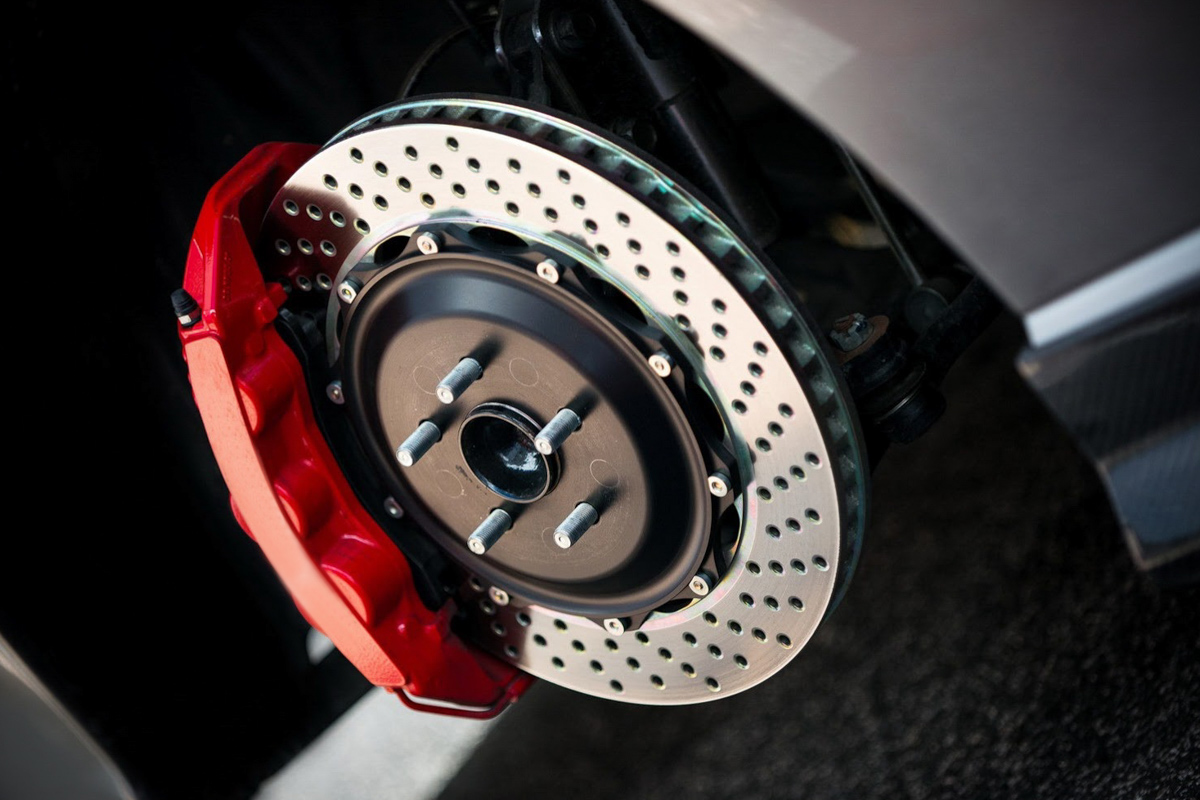
A shake that appears mainly when you brake usually points to the rotors or calipers, according to Haynes, while vibration at cruising speed more often points to tires or wheels. A pulsing pedal under hard or repeated braking is typically caused by warped or bent rotors, or sometimes by a localised build-up of pad material on the rotor. This guide sorts the causes by when the shake appears.
Why does the car shake when you brake?
- Warped rotors. Haynes says heat from repeated hard stops can cause thickness variation across the rotor, which makes the pads vibrate as they clamp, and the pedal pulses in rhythm. Measuring rotor runout and thickness helps confirm the cause and decide between resurfacing and replacement. See when to replace brake rotors.
- A sticking caliper. A caliper or slide pins that do not move freely can keep one pad dragging, building heat quickly and causing vibration, pulling or a burning smell. See sticking or seized calipers.
- Pad material build-up on the rotor. Haynes lists a localised build-up of pad material on the rotor surface as another cause of pulsing.
- Worn steering or suspension parts. Tie rod ends, ball joints and control arm bushings wear gradually; looseness can give vibration over uneven pavement and clunks when turning.
- A failing wheel bearing. A low hum that grows with speed, per Haynes; a worn CV axle can add shaking during acceleration or turning on front- and all-wheel-drive cars.
When does the shake point to the tires or wheels?
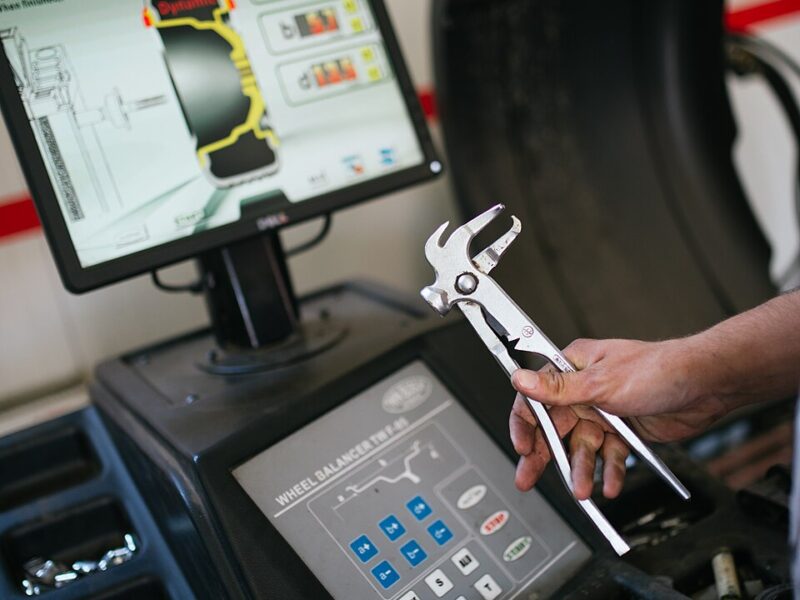
Haynes says wheel imbalance is one of the most common causes of steering wheel shake, often building between about 50 and 70 mph. It lists uneven or damaged tires (cupping, flat spots, bulges), incorrect pressure or mismatched tires and bent wheels from a pothole or curb as other causes. Check cold pressures against the placard and look over the tread. See brake maintenance for what to check regularly.
What should you do?
- Note when it happens: only when braking, at certain speeds, over bumps or in turns. Haynes says the timing narrows down the cause.
- Check tire pressures and tread first; they are quick to check.
- Check the rotors and pads when you have the wheels off. Haynes says replacing or resurfacing the rotors is also a good idea when fitting new pads. See signs your brake pads need replacing.
- Resurfacing may not last. Haynes says resurfacing can fix mild warping, but warped rotors often got that way from overheating and will warp again when heated.
Frequently asked questions
Why does my steering wheel shake only when I brake?
Haynes says a shake during braking commonly traces to rotor or caliper issues.
Can I fix warped rotors by resurfacing them?
If the warping is mild, resurfacing can fix it, but Haynes says a thin disc tends to distort and should be replaced rather than skimmed.
Is a pulsing pedal ABS?
ABS also pulses the pedal when it is working in a hard stop, according to Haynes; that is normal. See what ABS does.
Sources: Haynes, “8 Causes Of Car Steering Wheel Vibration” (January 2026); Haynes, “Troubleshooting: Common Brake Issues and Causes” (August 2018); Haynes (UK), “5 things your brakes are telling you” (January 2017).