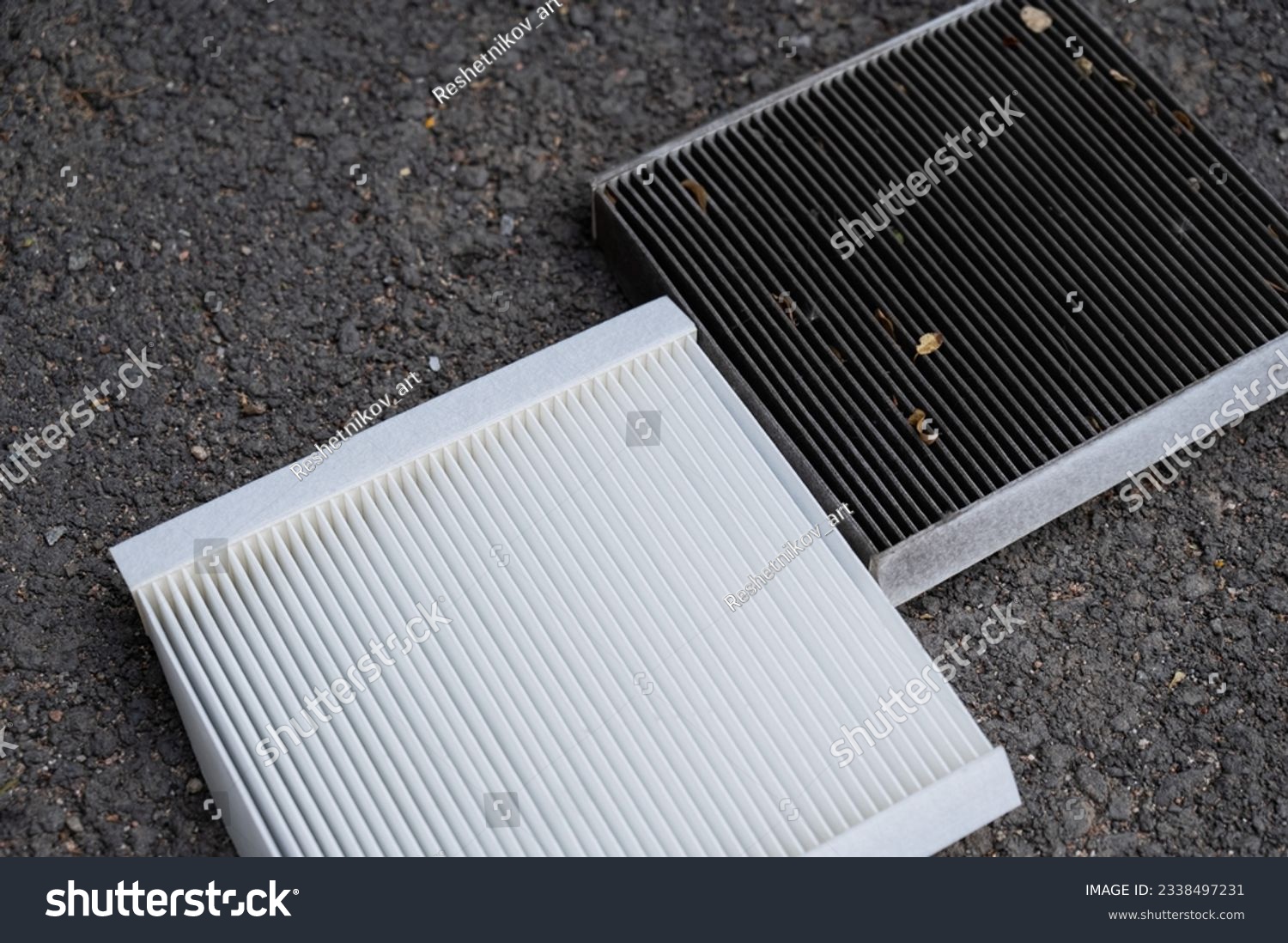
Most manufacturers recommend replacing the cabin air filter every 15,000 miles or once a year, whichever comes first, according to Haynes, and replacing it sooner if airflow through the vents drops or you notice a musty smell. It is usually behind the glove box, takes a few minutes to half an hour and often needs no tools.
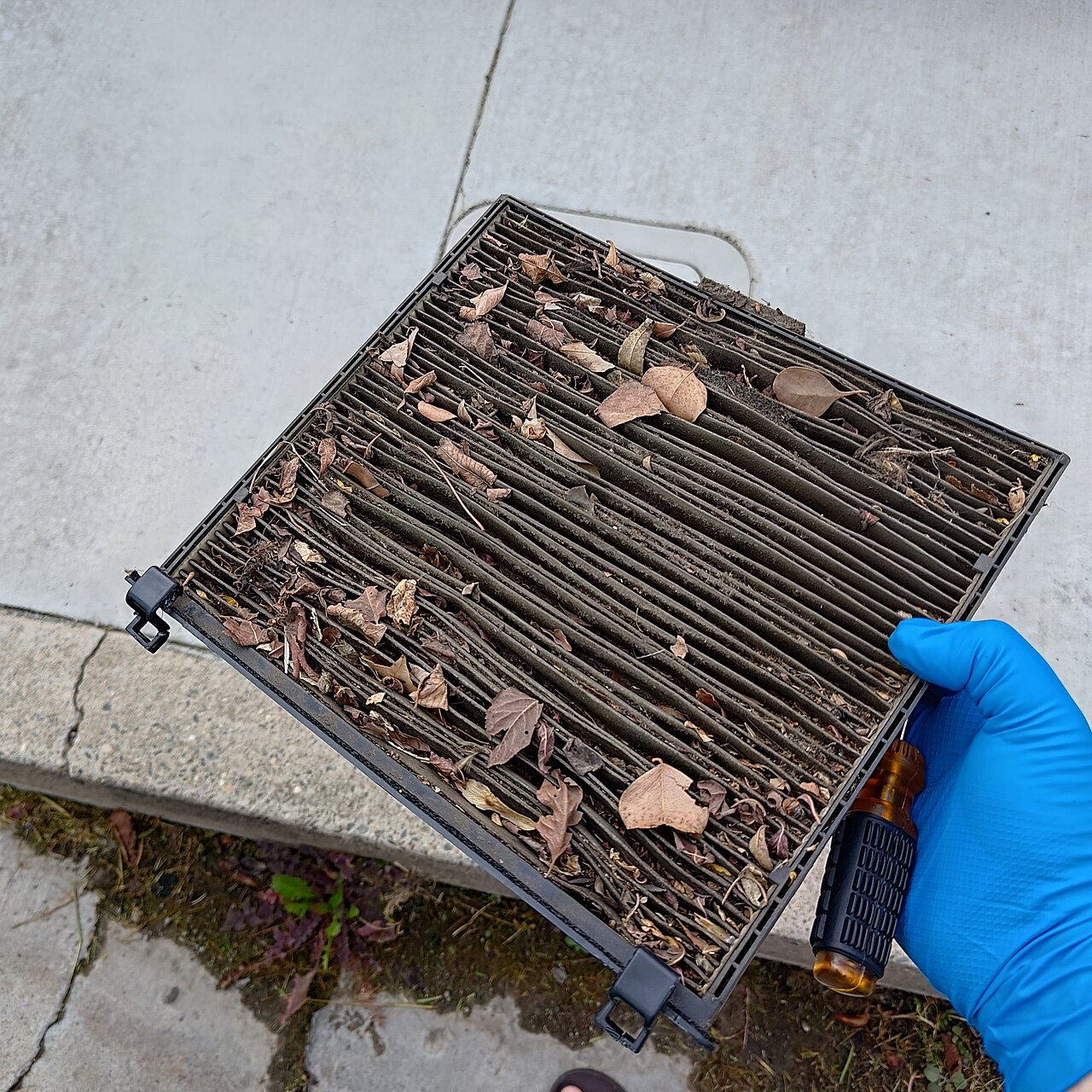
What does a cabin air filter do?
Also called a pollen filter, it stops dust, pollen and other fine pollutants from entering through the heating and air-conditioning ducts. Everything that passes through the heater, defroster, AC or vents goes through it first. Haynes says that is healthier for you and helps prevent mold and mildew in the climate control ducts. Most are pleated cotton or paper; some contain carbon to reduce odours.
How often should you replace it?
- Every 15,000 miles or once a year, whichever comes first (Haynes; the manual for your car has the actual figure).
- Sooner if you notice less air from the vents or a musty smell.
- Sooner with dusty rural driving, where Haynes says the filter traps a surprising amount of dirt.
- If you bought the car used without a service history, locate the filter and check it; Haynes says to swap it unless it looks clean and fresh.
Haynes’ maintenance schedule lists a cabin filter replacement at every 30,000 miles or 30 months. Its guides to the filter itself say yearly or 15,000 miles, so go by the shorter interval if you drive in dusty or polluted conditions.
Where is the cabin air filter?
Haynes says it is usually under or behind the glove box with an access panel, or part of the cowl below the windshield wipers. Some cars have it under the hood near the firewall. You may need to press a tab and slide the glove box out of the way. If it sits below the windshield, Haynes says it is very important to replace any weatherstripping and close the cover tightly, otherwise water can leak into the car, soak the carpets and cause a musty smell.
How do you change it?
- Locate the filter and open the access panel; many are held by clips and need no tools. A screwdriver or pliers may help.
- Note which way the old filter faces, and slide it out.
- Dust or vacuum the area where it sits, if you can reach it.
- Fit the new filter and close the cover, making sure any seal is intact.
Haynes says the job takes from a few minutes to half an hour, needs little or no experience and is a good first job. If the filter gets wet it will quickly become moldy.
How much does it cost?
Haynes’ U.S. guide says the majority of pollen filters cost less than $10 (about $10 in its other article), that activated carbon filters may cost twice that, and that shop labor may be $50 to $100 for a job that takes under 30 minutes. Those figures are from 2017 and 2019 and will have changed, so treat them as a rough guide.
Frequently asked questions
How do I know if the cabin air filter is dirty?
Haynes says a reduction in air from the vents or a musty smell are reasons to replace it.
Can I clean and reuse a cabin air filter?
The Haynes guides we read describe replacing it, not cleaning it.
Is the cabin filter the same as the engine air filter?
No. See engine air filter: how often to change it.
Sources: Haynes, “Changing the Cabin Air Filter” (September 2019); Haynes, “Common Problems with Cabin Air Filters” (September 2017); Haynes, “Complete car maintenance schedule” (May 2025).