Understanding the precise lifespan of automotive batteries is critical for vehicle owners seeking to ensure reliability and avoid unexpected operational failures. While the conventional wisdom often cites a general range, the definitive longevity of a car’s 12V power source is a complex interplay of electrochemical design, operational demands, environmental stressors, and diligent maintenance practices. Typically, a standard lead-acid car battery is engineered to deliver reliable service for approximately 3 to 5 years under optimal conditions, though advanced Absorbed Glass Mat (AGM) or specialized lithium-ion 12V starter batteries can extend this window significantly. This comprehensive article delves into the granular factors that dictate battery endurance, offering authoritative insights and actionable strategies to maximize its operational life and ensure peak vehicle performance.
What Specific Factors Determine a Car Battery’s Lifespan?
The operational lifespan of a 12V car battery is not merely an arbitrary figure but a direct consequence of several meticulously engineered and environmentally influenced parameters. Modern lead-acid batteries, the most prevalent type in internal combustion engine (ICE) vehicles, are generally designed for a service life spanning between 36 to 60 months, corresponding to approximately 20,000 to 50,000 engine starts. This longevity is profoundly influenced by vehicle usage patterns, such as the frequency and duration of trips, alongside the severity of local climate conditions and the owner’s adherence to a proactive maintenance regimen. A primary contributor to premature battery deterioration is the prevalence of short-distance driving, where the alternator does not have sufficient time to fully replenish the charge consumed during engine startup, leading to a state of chronic undercharging and subsequent sulfation of the lead plates within the battery cells.
Extreme temperature fluctuations constitute another critical determinant of battery health and effective lifespan. Specifically, when ambient temperatures consistently drop below 0°C (32°F), a battery’s electrochemical reactions slow down, leading to a demonstrable reduction of approximately 20% in its available cranking power and overall efficiency. Conversely, sustained high temperatures, particularly above 35°C (95°F), accelerate the internal chemical processes, increasing the rate of electrolyte evaporation and promoting grid corrosion, which collectively diminish the battery’s capacity and structural integrity over time. The optimal operating temperature range for most 12V lead-acid batteries is between 20°C and 25°C (68°F and 77°F), where internal resistance is minimized and charge acceptance is maximized. Regular diagnostic testing, including voltage checks, cold-cranking amps (CCA) assessments, and internal resistance measurements, is crucial for early identification of performance degradation and ensuring the battery maintains its optimal functional parameters.
Beyond external environmental and usage factors, the intrinsic design and chemical composition of the battery itself play a significant role in its potential longevity. Standard flooded lead-acid (FLA) batteries, while cost-effective, typically exhibit a shorter lifespan compared to more advanced battery technologies. Absorbed Glass Mat (AGM) batteries, for instance, utilize a fiberglass mat to absorb the electrolyte, offering superior resistance to vibration, higher discharge rates, and significantly reduced electrolyte evaporation, often resulting in a lifespan extended by 1 to 2 years beyond traditional FLA batteries. Furthermore, specialized 12V lithium-ion starter batteries are emerging, boasting even longer lifespans, lighter weight, and more consistent power delivery, though at a considerably higher initial investment. Understanding the specific technical specifications and intended application of your chosen battery type is paramount in predicting its durability and selecting the most appropriate power source for your vehicle’s unique demands.
The impact of vehicle electrical systems cannot be overstated. A perfectly functioning battery can experience premature failure due to an inefficient charging system (faulty alternator), excessive parasitic draw from vehicle electronics, or a degraded starter motor. When a battery operates optimally, it significantly reduces wear and tear on the starter motor and other critical electrical components, safeguarding the vehicle’s entire electrical architecture. Consistent monitoring of the vehicle’s charging voltage, typically between 13.8V and 14.8V when the engine is running, is an essential diagnostic step. Any deviation outside this range can indicate a charging system fault that will either overcharge or undercharge the battery, both of which drastically shorten its operational life.
How Does Proactive Maintenance Significantly Influence Battery Life?
Diligent and consistent maintenance practices are arguably the most effective means to substantially prolong the operational lifespan of your car battery, potentially extending its service beyond the manufacturer’s average projections. A foundational aspect of this maintenance involves the regular cleaning of battery terminals to meticulously prevent the accumulation of corrosion, which typically manifests as white or bluish crystalline deposits. Corroded connections create resistance, impeding the efficient flow of electrical current and thereby diminishing starting power and hindering the battery’s ability to accept a full charge. Utilizing a wire brush and a mixture of baking soda and water to neutralize acid buildup, followed by the application of dielectric grease, can maintain pristine, low-resistance connections, ensuring optimal electrical conductivity and maximizing battery performance for an extended duration. For comprehensive guidance on these practices, refer to our article on Essential Car Battery Maintenance Tips for Longer Life and Reliability.
For serviceable flooded lead-acid batteries, which possess removable caps, periodic inspection and replenishment of electrolyte levels are absolutely crucial. The electrolyte solution, a mixture of sulfuric acid and distilled water, must consistently cover the internal lead plates to facilitate the necessary electrochemical reactions. Evaporation, especially in warmer climates, can lead to the exposure of these plates, resulting in permanent damage and a reduction in capacity. Topping off the cells with distilled water (never tap water, which contains minerals that can contaminate the battery) to the indicated fill line ensures optimal chemical balance and prevents premature degradation. Batteries that are regularly maintained with correct electrolyte levels often demonstrate a lifespan exceeding that of neglected units by 18-24 months.
The strategic deployment of a smart battery maintainer or trickle charger is an invaluable practice, particularly for vehicles that experience prolonged periods of inactivity, such as seasonal cars or those stored for extended vacations. These sophisticated devices monitor the battery’s state of charge and deliver a low-amperage current as needed, preventing the battery from discharging below a critical voltage threshold (typically 12.4V for a 12V battery) that initiates irreversible sulfation. By maintaining a consistent, optimal charge level, smart maintainers circumvent the detrimental effects of self-discharge and parasitic drains from vehicle electronics, effectively preserving the battery’s internal chemistry and extending its functional life by several years. Conversely, allowing a 12V battery to drop below 12.0V, even for a few days, can lead to significant and often irreversible capacity loss.
Furthermore, adopting efficient charging habits plays a pivotal role in augmenting battery longevity. Avoiding frequent, short trips (less than 20 minutes of driving) is highly recommended, as these durations are often insufficient for the alternator to fully recharge the battery after the significant draw of engine startup. Consistent undercharging accelerates sulfation and reduces the battery’s overall capacity. Moreover, cultivating the habit of ensuring all non-essential electrical components, such as headlights, interior lights, and infotainment systems, are switched off before exiting the vehicle can prevent unnecessary parasitic drains that deplete the battery when the engine is off. Even a small continuous draw of 50 milliamps (mA) can fully discharge a healthy 12V car battery in less than two weeks, highlighting the importance of managing vehicle electronics.
What Environmental Factors Precisely Impact Car Battery Longevity and Performance?
Environmental conditions exert an undeniable and often severe influence on how long car batteries can reliably perform, with extreme temperatures being the most detrimental factors. Cold weather, while not directly damaging the battery’s internal components, significantly impedes its chemical efficiency. At 0°C (32°F), a fully charged battery loses approximately 20% of its cranking power, and at -18°C (0°F), this reduction can be as high as 50%, requiring the battery to work much harder to start the engine. This increased strain, combined with the fact that engine oil is thicker in cold temperatures, places immense stress on the battery, leading to faster degradation, especially if the battery is already operating below its optimal charge or capacity. Vehicle owners in regions with prolonged cold snaps often experience a shorter average battery lifespan of 3-4 years compared to those in more temperate climates.
Conversely, high temperatures are arguably even more destructive to a battery’s long-term health than extreme cold. Sustained ambient temperatures above 30°C (86°F) accelerate the rate of internal chemical reactions within the battery. This leads to increased electrolyte evaporation, which can expose the lead plates and cause irreversible damage, and significantly expedites the corrosion of the positive battery plates. For every 10°C (18°F) increase above 25°C (77°F), the battery’s lifespan can be halved due to accelerated degradation mechanisms. In regions experiencing extended periods of summer heat, a 12V car battery might only last 2-3 years before requiring replacement. This phenomenon underscores why many batteries fail during the first cold snap of winter, as the heat damage from the preceding summer has already weakened the battery to a critical point.
Beyond temperature, other atmospheric conditions such as humidity and overall moisture levels can subtly yet significantly contribute to battery deterioration. High humidity can foster condensation on the battery’s exterior, especially on terminals and cables, which can accelerate corrosion and create minor surface short-circuits. While often less impactful than direct temperature extremes, consistent exposure to high moisture content can still compromise terminal integrity and increase electrical resistance over time. Conversely, excessively dry conditions, particularly when coupled with high temperatures, can exacerbate electrolyte evaporation, especially in non-sealed lead-acid batteries, further reducing their operational life. Regularly checking the battery’s physical condition and connections, especially in environments prone to high humidity or significant temperature swings, is crucial to mitigate these risks and maintain an average lifespan closer to the 5-year mark.
The physical location of the battery within the vehicle’s engine bay also plays a non-trivial role in its longevity. Batteries situated in highly constrained engine compartments, where heat dissipation is poor, are constantly exposed to elevated operational temperatures from the engine. This continuous thermal stress accelerates the detrimental effects described above, potentially reducing the battery’s lifespan by 10-20% compared to batteries located in cooler, well-ventilated areas, such as under the rear seat, in the trunk, or equipped with dedicated cooling ducts. Manufacturers’ design choices regarding battery placement often reflect a balance of space, weight distribution, and thermal management, all of which ultimately influence the battery’s long-term endurance.
How to Accurately Determine When to Replace Your Car Battery?
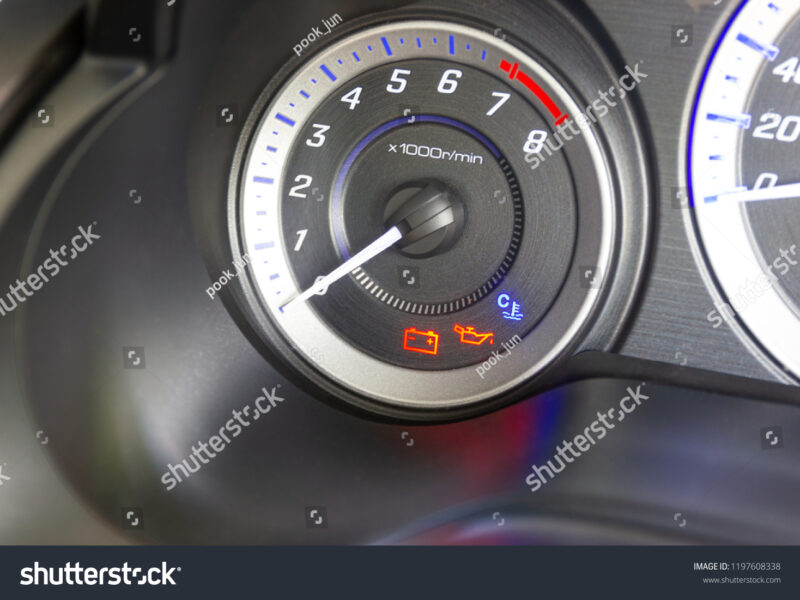
Recognizing the definitive indicators that signal your car battery is nearing the end of its functional life is paramount to preventing unexpected breakdowns and ensuring continuous vehicle operation. One of the most common and easily identifiable symptoms is a noticeably slow engine crank during startup; instead of a brisk, immediate ignition, the starter motor might labor, making a ‘grinding’ or ‘whirring’ sound as it struggles to turn the engine over. This indicates that the 12V battery is no longer able to deliver the robust surge of Cold-Cranking Amps (CCA) required for efficient ignition. Additionally, dimming headlights, especially when the engine is off or during startup, or a flickering dashboard warning light, can serve as clear visual cues of a weakening battery struggling to maintain a stable voltage output under load.
Another unmistakable sign of imminent battery failure is the increased frequency with which your vehicle requires jump-starts. If you find yourself needing external assistance to start your car more than once within a few weeks, it is a definitive indication that the battery’s ability to hold a charge has severely diminished and its internal capacity is compromised. Modern battery manufacturers, alongside automotive experts, strongly recommend having your battery professionally tested every 6 months, or at least annually, especially before the onset of extreme weather seasons (e.g., summer or winter). These tests typically involve a dedicated battery analyzer that measures the battery’s voltage, CCA, and internal resistance, providing a precise diagnostic assessment of its health and remaining useful life, often predicting failure months in advance. For insight into warranty coverage for such replacements, consult our article What to Know About Your Car Battery Warranty Before You Buy.
Visual inspections can also reveal critical signs of a battery’s impending demise. Any visible corrosion around the battery terminals, particularly if it appears excessive or recurs rapidly after cleaning, suggests acid leakage or a persistent electrical issue. More alarming indicators include a swollen or bulging battery casing, which is often a symptom of extreme internal heat buildup or overcharging, leading to gas accumulation and structural deformation. A strong, acrid sulfur smell emanating from the battery also signals internal damage, potentially from acid leakage or overheating. In any of these instances, the battery is no longer safe or reliable and should be replaced immediately by a qualified professional to prevent further damage to the vehicle’s electrical system or potential safety hazards. While an electric vehicle (EV) battery has a significantly longer warranty, typically 8 to 10 years or 100,000 miles, this refers to the large traction battery, not the separate 12V accessory battery that powers systems like lights and infotainment, which often has a lifespan similar to ICE vehicle batteries.
| Battery Type | Average Lifespan (Years) | Typical Replacement Cost (USD) | Performance in Extreme Weather | Warranty Coverage (Years/Miles) |
|---|---|---|---|---|
| Flooded Lead-Acid (FLA) | 3-5 | $100 – $250 | Good (Degrades with extremes) | 2-3 years / 30,000-50,000 miles |
| AGM (Absorbed Glass Mat) | 4-7 | $200 – $350 | Excellent (More resilient) | 3-5 years / 50,000-75,000 miles |
| Enhanced Flooded Battery (EFB) | 3-6 | $150 – $300 | Very Good (Improved cycling) | 2-4 years / 40,000-60,000 miles |
| 12V Lithium-Ion (Starter) | 6-10+ | $400 – $800+ | Superior (Stable performance) | 5-8 years / 75,000-100,000 miles |
What is the average lifespan of a typical car battery?
The average lifespan of a standard 12V car battery, particularly a flooded lead-acid type, typically ranges from 3 to 5 years under a combination of optimal environmental conditions, consistent vehicle usage, and diligent maintenance practices. However, this average can fluctuate significantly based on various factors. For instance, in regions with consistently high ambient temperatures exceeding 30°C (86°F), the lifespan may be reduced to as little as 2-3 years due to accelerated internal chemical degradation and electrolyte evaporation. Conversely, vehicles primarily operated in temperate climates with regular, sufficient driving cycles that allow for full battery recharges can see their batteries lasting closer to the 5-year mark, sometimes even extending to 6 years with meticulous care.
More advanced battery technologies, such as Absorbed Glass Mat (AGM) batteries, are designed to offer an extended operational life, typically performing reliably for 4 to 7 years. This is attributed to their superior resistance to vibration, improved charge retention, and enhanced tolerance to deep discharge cycles compared to conventional flooded batteries. Specialized 12V lithium-ion starter batteries represent the pinnacle of current automotive battery technology, often boasting lifespans of 6 to 10 years or even longer, though their higher initial cost reflects these benefits. It is crucial to distinguish these 12V starter batteries from the high-voltage traction batteries found in electric vehicles (EVs), which come with manufacturer warranties typically guaranteeing 8 to 10 years or around 100,000 miles, and can cost between $3,000 and $7,000 to replace outside of warranty coverage.
What specific actions can lead to a car battery draining rapidly?
Numerous factors can cause a car battery to drain rapidly, leading to unexpected failures and diminishing its overall lifespan. One of the most common culprits is leaving electrical accessories on when the engine is not running, such as headlights, interior dome lights, or the car’s infotainment system. Even a seemingly minor parasitic draw, such as a glove compartment light that remains faintly illuminated, can slowly deplete a 12V battery over several hours or days, especially if the vehicle is parked for an extended period. Modern vehicles with complex electronic control units (ECUs) and security systems inherently draw a small, continuous amount of power; however, an excessive draw beyond 50-75 milliamps can significantly shorten battery life and lead to a completely dead battery within a few weeks of inactivity.
Another significant factor is the consistent execution of short trips, typically less than 20 minutes in duration. During engine startup, the starter motor draws a substantial amount of current (e.g., 200-500 Cold-Cranking Amps for a few seconds) from the 12V battery. The vehicle’s alternator then recharges this depleted energy while the engine is running. However, on short trips, the alternator does not have sufficient time to fully replenish the charge consumed, leading to a state of chronic undercharging. Over time, this cumulative undercharging promotes sulfation on the battery plates, which reduces the battery’s capacity and internal resistance, making it increasingly difficult to hold a charge and ultimately shortening its life. For more detailed insights into optimizing battery usage, explore our article Maximizing Your EV Battery Life: Essential Maintenance Tips for Longevity.
Can cold weather definitively impact the lifespan of my car battery?
Yes, cold weather has a profound and definitive impact on both the immediate performance and the long-term lifespan of your car battery. When temperatures drop below 0°C (32°F), the chemical reactions within the battery’s electrolyte slow down considerably, significantly reducing its ability to deliver the necessary power. A battery operating at -18°C (0°F) can only produce approximately 50% of its rated cranking power, while the engine itself requires more power to start due to thickened oil and less efficient fuel atomization. This increased demand coupled with decreased output places immense strain on the battery, accelerating the internal degradation processes. While the cold itself doesn’t “kill” a healthy battery, it exposes any existing weaknesses, often causing batteries weakened by prior heat damage to fail during the first severe cold snap of the season.
Moreover, consistently cold temperatures, particularly when the battery is not maintained at a full state of charge, can lead to electrolyte stratification. In this condition, the sulfuric acid and water separate, with the heavier acid settling at the bottom of the battery cells, leaving a higher concentration of water near the top. This stratification reduces the effective active material, limits power output, and can also lead to the electrolyte freezing at higher temperatures than normal (a fully charged battery’s electrolyte won’t freeze until around -60°C or -76°F, while a discharged battery’s electrolyte can freeze at -7°C or 20°F). Such freezing can cause irreversible damage to the battery’s internal structure, including cracked cases and bent plates, leading to complete failure. Therefore, ensuring your battery is fully charged and regularly tested before winter is a critical maintenance step for longevity.
What are the most effective maintenance tips to maximize my car battery’s life?
To maximize your car battery’s operational life, a comprehensive approach to maintenance is essential, extending its functionality beyond the typical 3-5 year average. A fundamental practice involves the regular inspection and meticulous cleaning of battery terminals and cable connections. Corrosion, which often appears as white or bluish powdery deposits, creates electrical resistance, hindering efficient current flow and preventing the alternator from fully charging the battery. Cleaning terminals with a wire brush and a solution of baking soda and water, followed by the application of anti-corrosion spray or dielectric grease, can significantly extend connection integrity and battery performance. This simple task, performed every six months, can prevent premature failure caused by poor electrical contact.
For conventional flooded lead-acid batteries, it is crucial to periodically check the electrolyte levels, typically every 3-6 months. The fluid inside the battery, a mixture of sulfuric acid and distilled water, must consistently cover the lead plates. If levels are low, carefully add distilled water (never tap water) up to the manufacturer’s specified fill line. This ensures proper electrochemical reactions and prevents the plates from drying out and sustaining permanent damage, which can drastically reduce the battery’s capacity and lifespan. Additionally, investing in a high-quality smart battery maintainer is a highly effective strategy, especially for vehicles that are not driven daily or during periods of prolonged storage. These devices intelligently monitor the battery’s state of charge and deliver a precise, low-amperage current to prevent self-discharge and sulfation, keeping the battery in an optimal, healthy state without overcharging. Integrating these practices can contribute substantially to Maximizing Longevity: Understanding and Extending Your EV Battery Lifespan, though the specifics for an EV traction battery differ from a 12V starter battery.