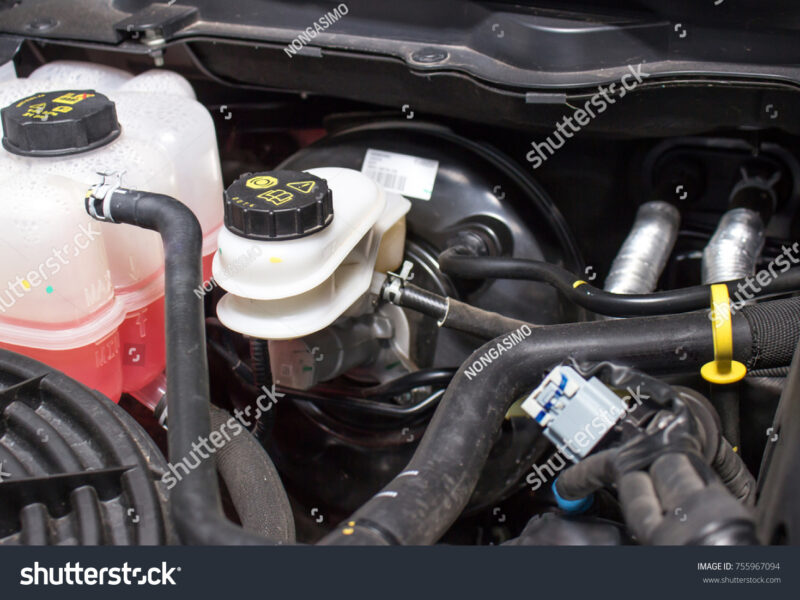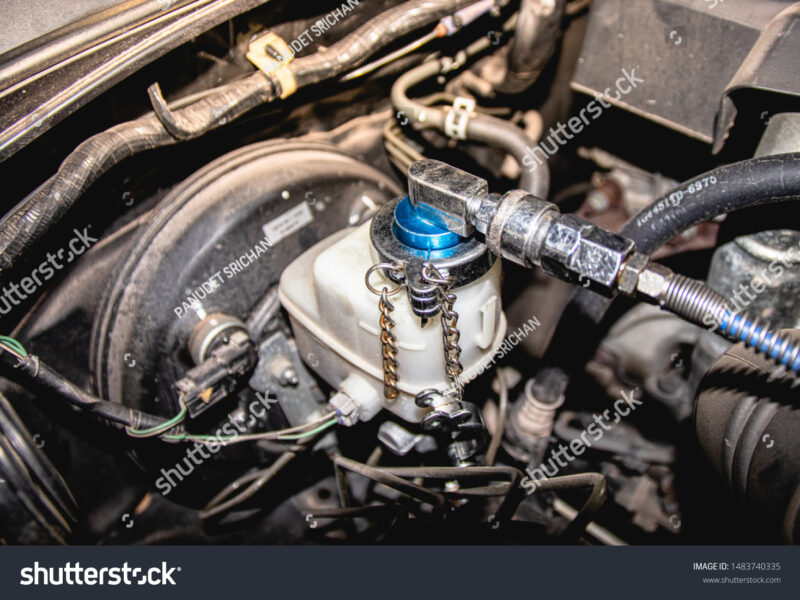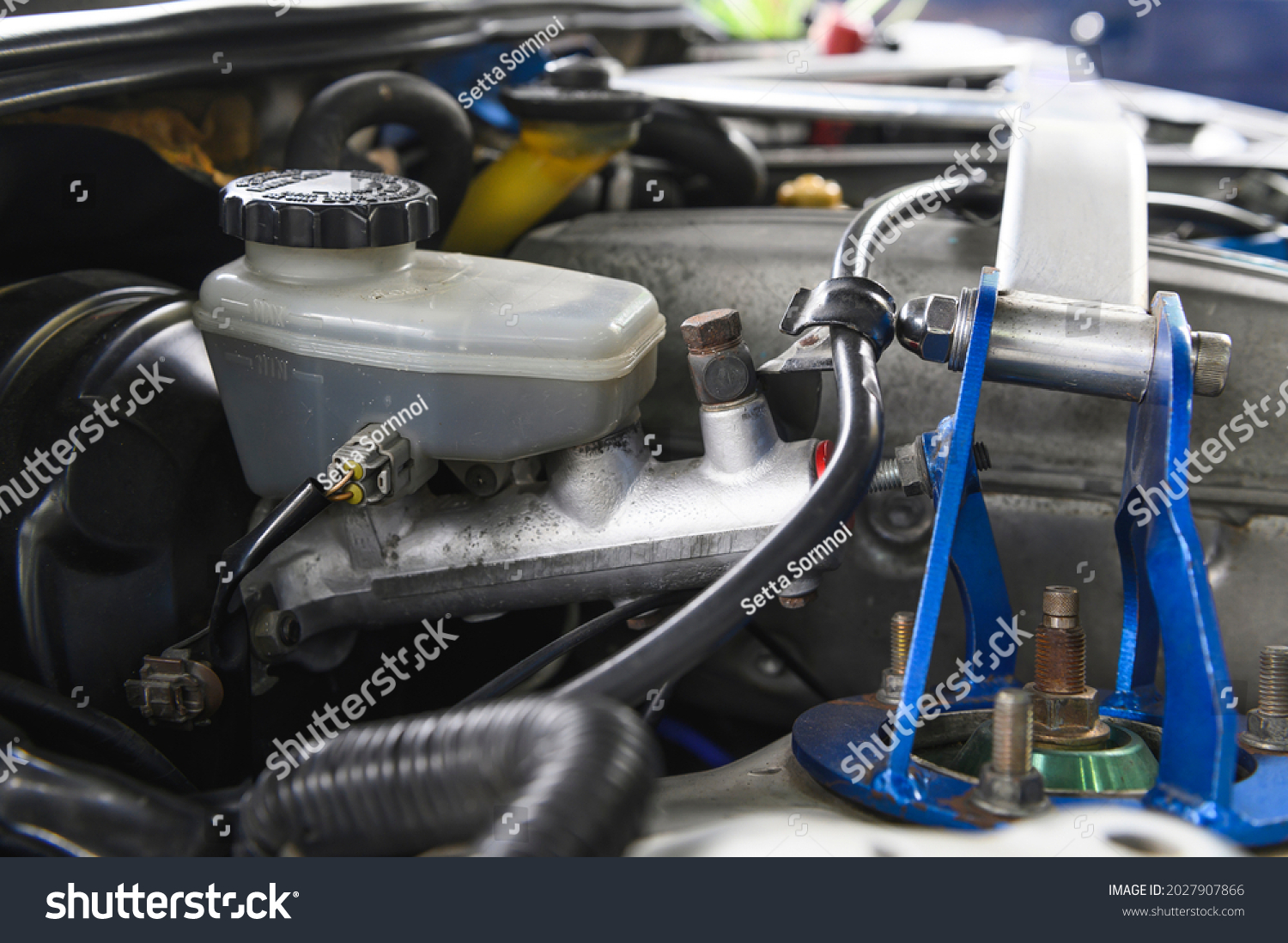
Discover the primary reasons behind a low brake fluid level in your vehicle, understand the critical safety implications, and learn what steps to take to address this common issue. Ensuring your brake fluid is at the optimal level is paramount for effective and safe braking, directly impacting your vehicle’s ability to perform emergency stops and maintain stable control under various driving conditions.
What Are the Most Common Reasons for Low Brake Fluid?
A low brake fluid level is a critical indicator that demands immediate attention, as it directly impacts your vehicle’s ability to stop safely and predictably. While external and internal leaks are often the primary suspects for a significant drop, several other factors can subtly or rapidly contribute to a diminishing brake fluid reservoir. Understanding these intricate causes is the foundational first step toward maintaining a robust and reliable braking system, preventing potentially catastrophic failures.
One of the most frequent and often misunderstood causes of a naturally decreasing brake fluid level, without an apparent external leak, is the normal, gradual wear of brake pads. As brake pads are friction materials designed to wear down over time (typically after 25,000 to 70,000 miles depending on driving habits and pad type), the caliper pistons must extend further out of their bores to compensate for the reduced pad material. This increased piston travel requires a greater volume of brake fluid to fill the added space within the caliper assembly. The brake fluid reservoir is typically designed with an overflow margin to accommodate this gradual fluid displacement during normal pad wear. However, if the fluid level drops significantly below the minimum mark (often indicated by a “MIN” line on the reservoir) and your brake pads are found to be severely worn, it strongly signals that pad replacement is overdue.
Beyond normal operational wear, external factors present significant risks, leading to a reduction in brake fluid levels through physical damage. Damage to rigid steel brake lines, flexible rubber hoses, or the calipers themselves from road debris, severe impacts (e.g., hitting a pothole at high speed), or even long-term corrosion can create active leaks. Steel brake lines, in particular, are highly susceptible to rust and perforation, especially in regions where road salt is frequently used during winter months (e.g., the Rust Belt in the USA or certain parts of Canada). These external leaks will result in a visible fluid loss, often identified by spotting puddles of a clear to light amber (or darker, aged) fluid under the vehicle, or a greasy residue on the wheel wells and chassis components. Immediate inspection for such leaks is crucial to prevent total brake failure.
Internal leaks within the braking system can also cause low brake fluid without obvious external signs, making them more insidious and harder to diagnose. For instance, brake fluid can leak internally from the master cylinder’s primary or secondary seals into the brake booster. This type of leak doesn’t manifest as an external puddle; instead, the fluid is often drawn into the engine’s vacuum system and can be combusted, potentially causing a smoky exhaust. Such an internal leak can still lead to a dangerous drop in fluid level and severely damage the brake booster over time, requiring costly replacement. Another less common, but equally critical, cause is a malfunctioning brake fluid level sensor, which, if faulty, might fail to trigger the dashboard warning light even when the fluid is perilously low, leaving the driver unaware of the impending danger.
Neglecting routine brake maintenance is a significant contributing factor to a myriad of brake fluid issues. This is precisely why you should never skip changing your brake fluid. Brake fluid is inherently hygroscopic, meaning it readily absorbs moisture from the atmosphere through microscopic pores in rubber hoses and the reservoir cap over time. This absorbed moisture significantly lowers the fluid’s boiling point. For instance, a DOT 3 fluid with a dry boiling point of 401°F (205°C) can see its wet boiling point drop to 284°F (140°C) with just 3% moisture content. Under the extreme temperatures generated during heavy braking (which can exceed 300°F or 150°C), this moisture-laden fluid can boil and vaporize, creating compressible air bubbles within the hydraulic lines. This leads to a spongy brake pedal and dramatically reduced stopping power. Manufacturers typically recommend changing brake fluid every 2 years or 24,000 miles (approximately 38,624 kilometers) to prevent such degradation and maintain optimal system performance and safety margins.
What Happens When Brake Fluid is Low?
A critically low brake fluid level is more than just an inconvenience; it’s a severe safety concern that can profoundly compromise your vehicle’s ability to stop effectively and predictably. The entire hydraulic brake system relies on a sealed, incompressible fluid to efficiently transmit the precise force from your brake pedal to the brake calipers or wheel cylinders at each wheel. When the fluid level drops below the minimum threshold, the system’s ability to build and sustain the necessary hydraulic pressure is directly and dangerously affected, translating to a substantial reduction in braking efficacy.
The most immediate and discernible consequence of low brake fluid is a marked reduction in braking performance. This often manifests as a spongy or mushy brake pedal feel, requiring greater pedal travel and increased force to achieve even minimal deceleration. When you press the brake pedal with insufficient fluid, air within the system (which is highly compressible, unlike brake fluid) can get pulled in from the reservoir or already be present due to vaporization or cavitation from insufficient fluid. A significant portion of the force applied to the brake pedal is then wastefully used to compress this air instead of being directly transmitted to activate the brake calipers. This inefficiency leads to dangerously longer stopping distances and a disconcerting feeling that your brakes are not engaging as powerfully or responsively as they should, dramatically increasing the risk of collision, especially in emergency braking scenarios.
In severe cases, a critically low brake fluid level can precipitate a complete loss of braking power, a terrifying and life-threatening event. If there isn’t enough fluid to create and maintain adequate hydraulic pressure throughout the system, the brake calipers or wheel cylinders may not engage sufficiently, or at all. This situation is particularly perilous in emergency situations where maximum stopping force and immediate response are imperative. The brake warning light on your dashboard, often a red or amber symbol, is meticulously designed to alert you to this critical situation. It typically illuminates when the fluid level drops below a safe threshold, a condition rigorously monitored by the brake fluid level sensor, acting as a final line of defense to warn the driver of impending danger.
Beyond the immediate and acute impact on braking capability, consistently operating with low brake fluid can also exacerbate wear and tear on other vital braking system components. Reduced lubrication within the master cylinder and increased strain on the hydraulic pump (especially in ABS-equipped vehicles) can accelerate the degradation of critical seals, pistons, and other precision-engineered parts. Furthermore, if the low fluid level is a symptom of an underlying leak, the escaping fluid can contaminate nearby brake components, such as brake pads or rotors, reducing their effectiveness and requiring premature replacement. Moreover, brake fluid is corrosive to paint and certain plastics, so a leak can cause aesthetic and structural damage to the vehicle and pose an environmental hazard. It’s crucial to address low brake fluid promptly and professionally to prevent further damage, ensure the longevity of your entire braking system, and most importantly, guarantee your safety on the road.
Investigating the Specific Causes: Leaks vs. Normal Consumption
Accurately determining whether your low brake fluid is due to an active leak within the closed hydraulic system or merely a result of normal system operation is absolutely crucial for proper diagnosis and effective repair. While a slight, gradual drop in fluid level can legitimately be attributed to the normal wear and tear of brake pads, any significant or sudden decrease in the fluid reservoir almost invariably indicates a more serious underlying problem within the sealed hydraulic circuit, demanding immediate investigation.
Active Leaks in the Brake System: The hydraulic brake system is engineered to function as a meticulously sealed, closed loop, where every drop of fluid serves a critical purpose. Any breach or compromise in the integrity of this system will inevitably lead to brake fluid loss. Common areas prone to developing leaks include the rigid steel brake lines and flexible rubber hoses, which can corrode over time (particularly the steel lines in harsh, rust-prone climates where road salt is prevalent) or be physically damaged by impacts from road debris. Another frequent culprit is the brake calipers, where internal seals, especially the piston seals or bleed screw seals, can degrade and wear out, leading to fluid seepage that might only be visible upon close inspection of the wheel well or caliper body.
Furthermore, internal seals within the wheel cylinders (common in drum brake systems) can also fail, causing leaks that contaminate brake shoes and drums, reducing braking effectiveness and requiring component replacement. The master cylinder itself is another potential source of leaks; its internal seals can fail, leading to fluid leaks either externally onto the firewall or, more commonly and insidiously, internally into the brake booster. An internal master cylinder leak can be difficult to diagnose without specific tools but often presents with a spongy or sinking brake pedal and a consistently low fluid level despite no external puddles. A visible external leak is often characterized by distinct puddles of brake fluid (which has a slightly oily feel and a characteristic, though faint, odor) under the vehicle or a greasy residue on various brake components, such as the back of the wheels. The color of brake fluid, which ranges from clear or light amber when new to dark brown or black as it ages and becomes contaminated with moisture and debris, can also provide clues about its condition and the urgency of a flush. If you notice any significant fluid loss coupled with visible signs, it’s imperative to have your vehicle inspected by a qualified and certified mechanic immediately to prevent complete brake failure.
Normal Brake Pad Wear and Fluid Displacement: As brake pads naturally wear down through thousands of miles of operation, the caliper piston must extend further out of its bore to maintain constant contact with the rotor. This increased piston travel creates a larger fluid volume requirement within the caliper and its associated lines. The master cylinder reservoir is specifically designed with a built-in reserve to accommodate this gradual, expected fluid displacement, meaning a slight and slow decrease in fluid level over many months or tens of thousands of miles is often a normal consequence of pad wear. If your brake fluid level is near the “low” mark but not significantly below it, and your brake pads are concurrently nearing their replacement interval (typically less than 3-4mm of friction material remaining), this could indeed be the primary reason for the drop. However, even in such a scenario, it’s still advisable to have your brake system professionally inspected during your next scheduled maintenance or tire rotation to confirm the diagnosis and rule out any compounding issues.
Overheating Brakes and Fluid Degradation: In less common but highly dangerous instances, severely overheating brakes can cause brake fluid to boil off, leading to a steady loss of fluid volume and a drastic reduction in braking ability. This can happen due to a component failure like a stuck caliper piston or slide pins, which causes continuous friction and extreme heat generation. When brake fluid, especially older fluid with high moisture content, reaches its boiling point (e.g., 284°F or 140°C for wet DOT 3 fluid), it rapidly converts to a compressible vapor, creating air pockets in the lines and reducing fluid volume. This phenomenon is known as “brake fade” and can quickly lead to complete pedal loss. If you experience symptoms such as a burning smell, excessive heat from the wheels after driving, or a repeatedly sinking brake pedal, it’s a clear and critical sign of a serious issue that requires immediate professional attention and diagnosis. Addressing such thermal issues is paramount, as they not only contribute to fluid loss but also severely compromise the structural integrity and performance of other critical brake components.
Brake Fluid Types and Their Technical Specifications
Understanding the different types of brake fluid and their precise technical specifications is absolutely essential for proper vehicle maintenance and, more importantly, ensuring optimal and safe braking performance. The U.S. Department of Transportation (DOT) classifies brake fluids based on their performance characteristics, primarily their dry and wet boiling points, and their chemical composition. The most common types encountered in passenger vehicles are DOT 3, DOT 4, and DOT 5.1, all of which are glycol-ether based and hygroscopic, meaning they inherently absorb moisture from the atmosphere. Conversely, DOT 5 is silicone-based and hydrophobic (repels water), rendering it incompatible with the glycol-based types and necessitating specific applications.
DOT 3 Brake Fluid: This is a conventional and widely used glycol-ether based brake fluid found in a vast number of older and many contemporary vehicles, particularly those without advanced braking systems like Anti-lock Braking Systems (ABS) or Electronic Stability Control (ESC). It possesses a minimum dry boiling point of 401°F (205°C) and a minimum wet boiling point of 284°F (140°C). While DOT 3 is perfectly suitable for many standard automotive applications, its relatively lower boiling points make it more susceptible to vaporization under high-stress, high-temperature braking conditions compared to the higher-performance DOT 4 or DOT 5.1 fluids. Its hygroscopic nature means its boiling point degrades steadily with absorbed moisture, typically losing 20-30% of its boiling resistance over two years.
DOT 4 Brake Fluid: DOT 4 fluid offers significantly higher boiling points and enhanced performance compared to DOT 3. It typically has a minimum dry boiling point of 446°F (230°C) and a minimum wet boiling point of 311°F (155°C). Formulated with a blend of glycol ether and borate ester, DOT 4 provides superior heat resistance and often exhibits a lower viscosity at cold temperatures, making it an ideal choice for modern vehicles equipped with advanced braking systems such as ABS, traction control, and electronic stability control (ESC). Due to its enhanced thermal stability and performance characteristics, DOT 4 is a very common and effective all-around choice for the vast majority of modern vehicles and diverse driving conditions, offering a substantial safety margin over DOT 3. Manufacturers frequently specify DOT 4 for these more complex systems to ensure reliable operation.
DOT 5.1 Brake Fluid: Similar in chemical composition to DOT 4 (both are glycol-ether based, despite the “5” in its name which can cause confusion with silicone DOT 5), DOT 5.1 fluid boasts even higher performance capabilities with impressive boiling points. It typically has a minimum dry boiling point of 500°F (260°C) and a minimum wet boiling point of 356°F (180°C). This makes it particularly suitable for high-performance vehicles, racing applications, and extreme driving conditions where consistent heat management and uncompromised braking integrity are absolutely critical. DOT 5.1 is fully compatible and interchangeable with DOT 3 and DOT 4 systems, offering a direct performance upgrade without the compatibility issues associated with silicone-based DOT 5 fluid. It offers superior resistance to thermal degradation and maintains pedal feel under arduous conditions.
DOT 5 Brake Fluid (Silicone-based): This distinct fluid is silicone-based and, critically, hydrophobic, meaning it repels water rather than absorbing it. It also possesses high dry and wet boiling points (typically 500°F / 260°C dry, and 356°F / 180°C wet). However, DOT 5 is fundamentally incompatible with glycol-based fluids (DOT 3, DOT 4, DOT 5.1) and should absolutely never be mixed or used in systems designed for them. Mixing these fluids will lead to system degradation, seal damage, and brake failure. DOT 5 is typically found in specialized applications, such as classic cars (where its non-corrosive properties and water-repelling nature can be advantageous for long-term storage) or military vehicles, where its unique properties are beneficial. Its higher compressibility can sometimes lead to a slightly spongier pedal feel compared to glycol-based fluids, and it is not recommended for ABS systems due to its tendency to aerate.
| Brake Fluid Type | Minimum Dry Boiling Point (°C / °F) | Minimum Wet Boiling Point (°C / °F) | Primary Composition | General Compatibility | Typical Use Cases |
|---|---|---|---|---|---|
| DOT 3 | 205°C / 401°F | 140°C / 284°F | Glycol Ether | DOT 3, DOT 4, DOT 5.1 | Standard passenger vehicles, older models |
| DOT 4 | 230°C / 446°F | 155°C / 311°F | Glycol Ether/Borate Ester | DOT 3, DOT 4, DOT 5.1 | Modern passenger vehicles, ABS/ESC systems |
| DOT 5.1 | 260°C / 500°F | 180°C / 356°F | Glycol Ether/Borate Ester | DOT 3, DOT 4, DOT 5.1 | High-performance cars, racing, extreme conditions |
| DOT 5 | 260°C / 500°F | 180°C / 356°F | Silicone-based | DOT 5 ONLY (NOT compatible with glycol-based) | Classic cars, military, specialized applications |
The Role of the Brake Fluid Level Sensor
Modern vehicles are meticulously engineered with an array of safety features, among the most critical of which is the brake fluid level sensor. This crucial component is specifically designed to act as a primary safety mechanism, alerting drivers instantaneously when the brake fluid in the master cylinder reservoir drops to a critically low and unsafe level. The sensor thus functions as an indispensable early warning system, providing a vital notification before braking performance is significantly compromised, potentially averting accidents by prompting timely intervention.
The brake fluid level sensor is almost universally positioned strategically within or immediately adjacent to the master cylinder reservoir. Its fundamental operating principle involves continuously monitoring the fluid’s surface level. When the brake fluid level recedes below a predetermined minimum safe threshold—a level precisely calibrated by the vehicle manufacturer to ensure adequate hydraulic pressure and system integrity—the sensor is instantly triggered. This triggering action initiates an electrical signal, which is then transmitted to the vehicle’s onboard computer (ECU) and subsequently to the dashboard, resulting in the immediate illumination of the dedicated brake warning light. This visual cue, often a red or amber icon depicting a circle with an exclamation mark, serves as an unequivocal prompt for the driver to investigate the cause of the low fluid level and address it with extreme urgency.
Several sophisticated mechanisms are employed in the design and operation of these sensors. One of the most common types is the float-based sensor, where a buoyant float physically rises and falls with the fluid level within the reservoir. As the fluid drops, the float descends, eventually actuating an electrical switch that completes the warning circuit. Other advanced designs may utilize magnetic reed switches, where a magnet embedded in a float interacts with a fixed reed switch, or even capacitance-based systems that detect minute changes in electrical properties as the fluid level varies. Regardless of the specific technological implementation, the overarching objective remains consistently the same: to reliably and accurately detect a low fluid condition and provide an unambiguous warning to the driver, minimizing the risk of brake system failure.
A malfunctioning brake fluid level sensor can be as problematic and dangerous as critically low brake fluid itself. If the sensor unit fails, it may not accurately report the actual fluid level in the reservoir, or worse, it might fail to trigger the warning light at all, even when the fluid is dangerously depleted. This can lead to a perilous situation where a driver remains completely unaware of critically low brake fluid until a more serious and potentially unrecoverable braking issue arises, such as a spongy pedal or complete loss of braking power. Common causes of sensor failure include chronic corrosion of electrical connectors due to moisture exposure, internal switch failure from prolonged age and wear, or the float mechanism becoming physically stuck or fouled due to contaminated or severely degraded brake fluid. Therefore, if your brake warning light remains illuminated after fluid levels have been corrected, or if it fails to illuminate during the ignition check, professional diagnosis and replacement of the sensor may be necessary to restore this vital safety function.
Frequently Asked Questions About Low Brake Fluid Levels
Why is my brake fluid level consistently low even without visible leaks?
A consistently low brake fluid level without any visible external leaks is most commonly attributed to the normal and expected wear of your vehicle’s brake pads. As brake pads are friction materials designed to gradually diminish with use (typically over 25,000 to 70,000 miles, depending on driving style and vehicle type), the caliper pistons must extend further out of their bores to maintain contact with the brake rotors. This increased piston travel creates a larger internal volume within the brake calipers, thereby requiring more brake fluid to fill that expanded space. This gradual displacement causes the fluid level in the master cylinder reservoir to slowly drop over time. Vehicle manufacturers design the reservoir with an adequate reserve margin to accommodate this normal wear without the fluid level dropping below the minimum safe threshold during the typical lifespan of a set of brake pads.
However, if the fluid level drops significantly or rapidly without visible external leaks, it could indicate several more serious underlying issues. These include excessive brake pad wear that has surpassed the reservoir’s reserve capacity, or more insidious internal leaks such as a failing master cylinder allowing fluid to bypass its internal seals and leak into the brake booster. An internal brake booster leak, for instance, would not be visible externally but would consume fluid from the system. Furthermore, a faulty brake fluid level sensor might not be accurately triggering the dashboard warning light, leaving the driver unaware of the critically low fluid. In such cases, a thorough inspection by a certified mechanic is imperative to diagnose and rectify the root cause, ensuring the integrity and safety of your braking system.
How does moisture affect brake fluid and my braking system?
Brake fluid is fundamentally hygroscopic, meaning it possesses a natural affinity to absorb and retain moisture from the surrounding environment. This moisture infiltrates the sealed hydraulic system primarily through microscopic pores in the flexible rubber brake hoses, past the reservoir cap, and even through minuscule imperfections in the system’s seals. Over time, this absorbed moisture significantly lowers the brake fluid’s boiling point, a critical safety parameter. For example, a new DOT 3 brake fluid starts with a dry boiling point of 401°F (205°C); however, with just 3% moisture content, its wet boiling point can dramatically plummet to 284°F (140°C). This degradation is exponential, with some sources indicating brake fluid can absorb 1-2% moisture per year, meaning a two-year-old vehicle could easily have 2-3% water content in its brake fluid.
Under the high temperatures routinely generated during braking, especially during heavy or prolonged use (such as descending a long hill or repeated hard braking, where temperatures can exceed 300°F or 150°C), this moisture-laden fluid can boil and rapidly vaporize. This process creates compressible air bubbles within the brake lines, a phenomenon known as “vapor lock.” Unlike brake fluid, air is highly compressible, meaning that when you press the brake pedal, a significant portion of the force is wasted compressing these bubbles rather than being transmitted to the brake calipers. This leads directly to a dangerously spongy brake pedal feel, drastically reduced stopping power, and in severe cases, potentially complete brake failure. Furthermore, the presence of moisture accelerates corrosion within the braking system’s intricate metal components, leading to premature wear and costly repairs to vital parts like the master cylinder, ABS pump and modulator, and the steel brake lines themselves. Maintaining a moisture content below 2-3% is generally considered critical for optimal performance and longevity.
What is the recommended maintenance interval for changing brake fluid?
Vehicle manufacturers generally recommend a specific and crucial maintenance interval for changing brake fluid, typically every 2 years or 24,000 miles (approximately 38,624 kilometers), whichever milestone is reached first. This interval