When brake rotors show symptoms of failure, it’s critical to address them immediately to maintain safe driving. Ignoring these warning signs can lead to compromised braking performance, increased repair costs, and significant safety risks. Understanding common brake rotor problems and how to diagnose them is essential for every vehicle owner. For instance, if you hear a grinding noise when braking, it may indicate that your rotors are warped, which is crucial to assess in order to ensure safety on the road. For more details on this issue, check our article about Grinding Noise When Braking? Why Your Rotors Might Be Warped.
The integrity of your vehicle’s braking system is paramount for safety, and brake rotors are a foundational component. These metallic discs, typically cast iron alloys for most passenger vehicles, are subjected to extreme thermal and mechanical stresses during every braking event. Understanding the specific bad brake rotor symptoms is not merely about identifying a noise; it’s about recognizing precise indicators of structural compromise, thermal degradation, or uneven wear that demand immediate attention from a certified automotive technician.
Ignoring the nuanced signals from compromised rotors can lead to a cascade of negative consequences, ranging from significantly extended stopping distances and diminished vehicle control to premature wear of other braking components like calipers and tires. Furthermore, it introduces substantial safety risks for the driver and other road users. This authoritative guide delves into the specific manifestations of failing brake rotors, offering a granular perspective on their causes, diagnostic methodologies, and crucial preventative measures to maintain optimal braking performance and extend component lifespan.
What Are the Most Common Symptoms of Bad Brake Rotors?
Recognizing the specific symptoms of failing brake rotors is the first step towards ensuring vehicle safety and preventing more extensive, costly repairs. These indicators often escalate from subtle anomalies to pronounced and unmistakable signs of degradation. Each symptom points to a specific underlying issue, requiring a precise diagnostic approach to confirm the root cause and prescribe the correct remedy.
For instance, an initial high-pitched squealing or squeaking noise during light braking can often signify worn brake pads approaching their wear limits, typically around 2-3 mm of friction material remaining. However, if this sound progresses to a coarse, metallic grinding or scraping noise, especially during moderate to heavy braking, it’s a critical red flag indicating direct metal-on-metal contact between the brake pad backing plate and the rotor surface. This specific symptom suggests that the brake pads are completely depleted, and the rotor itself is now sustaining severe damage, characterized by deep gouges or scoring. Addressing worn brake pads promptly can often prevent rotor damage.
Beyond audible cues, tangible sensations transmitted through the steering wheel or brake pedal are highly indicative of rotor issues. A pulsating or vibrating sensation, particularly pronounced when applying the brakes at highway speeds (e.g., above 45 mph or 70 km/h), is a classic sign of disc thickness variation (DTV) or thermal warping. This occurs when the rotor surface develops uneven high and low spots, causing inconsistent friction application. Such vibrations can also be felt as a shudder through the vehicle’s chassis, signaling the need for immediate inspection and precision measurement of the rotor’s surface using a specialized micrometer to detect variations exceeding the manufacturer’s specified tolerance, typically less than 0.0005 inches (0.0127 mm) for modern vehicles.
Specific Manifestations of Rotor Degradation
When your brake rotors begin to fail, the symptoms are rarely singular; they often manifest as a combination of auditory, tactile, and visual cues. Understanding the specific characteristics of these symptoms is crucial for accurate diagnosis and timely repair.
- Vibration or Pulsation During Braking: This is arguably the most common and definitive bad brake rotor symptom. It manifests as a pulsing sensation felt through the brake pedal, and often as a shimmy or vibration in the steering wheel or even the entire vehicle chassis. This phenomenon is primarily caused by Disc Thickness Variation (DTV), where the rotor surface is no longer perfectly flat due to uneven wear or thermal warping. When the brake pad repeatedly contacts these varying thicknesses, it creates a pulsating force. For example, a DTV exceeding 0.001 inches (0.025 mm) on many high-performance vehicles can induce noticeable vibrations, while general passenger vehicles might tolerate slightly higher values, though ideally below 0.0005 inches (0.0127 mm).
- Grinding or Scraping Noises: A harsh, low-frequency grinding sound typically signifies metal-on-metal contact. This occurs when the brake pads have worn completely through their friction material, exposing the metal backing plate, which then grinds against the cast-iron rotor. This not only destroys the rotor surface with deep scoring and grooves but also generates significant heat and metallic debris. This symptom is often accompanied by an increase in stopping distance and can be particularly alarming, occurring regardless of vehicle speed, though often more audible at lower speeds (e.g., below 20 mph).
- Squealing or Squeaking Sounds: While often associated with worn brake pads (e.g., when the built-in wear indicator makes contact), persistent squealing can also be a rotor symptom. A glazed rotor surface, often caused by repeated light braking or improper pad bedding, can cause high-frequency vibrations between the pad and rotor, resulting in a squeal. Additionally, if the rotor has developed a significant lip on its outer edge due to wear, the brake pad can rub against this lip, creating a distinct squeaking sound, especially during initial brake application.
- Extended Braking Distances: Degraded rotors, whether warped, deeply grooved, or excessively worn, reduce the effective friction surface area available for the brake pads to grip. This leads to a substantial increase in the distance required to bring the vehicle to a complete stop. For instance, a vehicle with severely compromised rotors might require an additional 10-20 feet to stop from 60 mph (96 km/h) compared to one with healthy rotors, representing a critical safety hazard. This symptom is often a cumulative effect of other underlying rotor issues.
- Visible Grooves or Scoring on the Rotor Surface: A visual inspection of the rotor can reveal significant signs of wear. Deep, concentric grooves, often appearing as distinct rings on the rotor face, indicate abrasive wear caused by hard metallic debris embedded in the brake pads or worn-out pads themselves scraping the rotor. Radial cracks, especially originating from drilled holes or slots, indicate severe thermal stress and fatigue. A minimum safe thickness is specified for every rotor (e.g., often stamped as “MIN THK 22mm” for a rotor with original thickness of 24mm), and any measurement below this indicates the rotor is compromised and must be replaced.
- Burning Smell: A distinct, acrid burning smell, often likened to burnt clutch material or chemicals, emanating from the wheel wells after braking, indicates severe overheating of the braking system. This can be caused by prolonged heavy braking, but also by dragging calipers or severely warped rotors generating excessive friction. This symptom is usually accompanied by a noticeable decrease in braking effectiveness (brake fade) and may lead to a blue or purplish discoloration on the rotor surface, signifying temperatures exceeding 600°C (1112°F) which can permanently alter the metal’s structure.
- Steering Pull or Uneven Braking: If your vehicle consistently pulls to one side when the brakes are applied, it can indicate an imbalance in braking force between the left and right wheels. While this can also be a caliper issue, a severely worn or compromised rotor on one side can cause this uneven deceleration. For example, a rotor with significantly more DTV or severe glazing on the right front wheel might cause the vehicle to pull towards the left due to reduced braking efficiency on the right side.
Understanding Brake Rotor Functionality and Failure Mechanisms
Brake rotors are specifically engineered to convert kinetic energy into thermal energy through friction with the brake pads, effectively slowing down or stopping a vehicle. Composed primarily of grey cast iron for most production vehicles, they possess excellent thermal conductivity and wear resistance. However, the immense heat generated during braking, often reaching temperatures above 300°C (572°F) in normal driving and exceeding 600°C (1112°F) under heavy use, places significant stress on the material.
The primary failure mechanisms for brake rotors include thermal warping, abrasive wear, and cracking. Thermal warping, also known as Disc Thickness Variation (DTV), results from uneven heat distribution and cooling across the rotor face. This leads to localized hot spots and subsequent metallurgical changes, creating hard spots or variations in the rotor’s thickness. Abrasive wear, on the other hand, is the gradual removal of rotor material due to friction with the brake pads, often accelerated by contaminants like dirt or grit trapped between the pad and rotor, leading to grooving or scoring. Cracking, particularly stress cracks or radial cracks, typically occurs under extreme thermal cycling and mechanical stress, often indicating material fatigue or manufacturing defects.
The operational lifespan of brake rotors varies significantly, influenced by driving habits, vehicle type, and rotor material. While some rotors may last upwards of 50,000 to 70,000 miles under ideal conditions, aggressive driving involving frequent hard braking, towing heavy loads, or navigating mountainous terrain can reduce their lifespan to as little as 20,000 miles. Regular inspections, ideally every 12,000 to 15,000 miles or annually, are crucial for monitoring wear patterns and adhering to the manufacturer’s specified minimum thickness, which is typically stamped on the rotor hat, ensuring the rotor remains within safe operational parameters.
Advanced Diagnostic Procedures for Bad Brake Rotors
Accurate diagnosis of bad brake rotor symptoms goes beyond visual inspection; it requires specialized tools and adherence to specific technical specifications. Automotive technicians employ precise methodologies to identify and quantify rotor defects, ensuring that only necessary and effective repairs are performed.
One critical diagnostic step involves measuring the rotor’s thickness in multiple points around its circumference using a digital micrometer. This process specifically checks for Disc Thickness Variation (DTV). Technicians measure the rotor at 8-12 equidistant points, approximately 1/2 inch (12.7 mm) from the outer edge. A variation exceeding the manufacturer’s specification, typically between 0.0005 inches (0.0127 mm) and 0.001 inches (0.025 mm) for most passenger vehicles, confirms DTV and necessitates rotor replacement or machining if within specified limits for refinishing. For example, a new Honda Civic rotor might have a DTV tolerance of 0.0004 inches.
Another crucial measurement is lateral runout, which refers to the side-to-side wobble of the rotor as it rotates. This is measured with a dial indicator mounted to the caliper bracket or suspension, with the probe resting on the rotor face. A runout reading exceeding 0.002 inches (0.05 mm) often indicates improper installation, a bent hub flange, or a warped rotor itself. Additionally, the rotor’s minimum thickness specification, usually etched onto the rotor hub (e.g., MIN THK 22MM), is checked. If the measured thickness is below this safety threshold, the rotor has insufficient thermal mass and structural integrity for safe operation and must be replaced immediately. Proper wheel lug nut torque, typically between 80-100 ft-lbs (108-135 Nm) for most passenger cars, is also critical for preventing uneven rotor mounting and subsequent DTV issues, and technicians will often check this during reassembly.
Preventative Maintenance and Extending Rotor Lifespan
Maximizing the lifespan of your brake rotors and preventing the early onset of bad brake rotor symptoms requires a proactive approach to vehicle maintenance and careful driving habits. Adhering to manufacturer guidelines and understanding the dynamics of brake system performance can significantly contribute to rotor longevity and consistent braking efficiency.
Regular inspection and timely replacement of brake pads are paramount. Brake pads typically have a lifespan ranging from 30,000 to 70,000 miles, depending on the vehicle, driving conditions, and pad material. Allowing pads to wear below 2-3 mm of friction material not only compromises stopping power but also risks metal-on-metal contact, leading to rapid and irreversible rotor damage. When replacing pads, it is critical to ensure proper “bedding-in” procedures are followed. This process, which involves a series of controlled stops from specific speeds (e.g., 60 mph to 10 mph) with gradual cooling periods, helps to transfer an even layer of friction material from the pads to the rotor, preventing glazing and optimizing initial braking performance and reducing the likelihood of DTV.
Furthermore, selecting high-quality, compatible brake components is essential. While OEM (Original Equipment Manufacturer) rotors and pads are designed to work synergistically with your vehicle’s specifications, reputable aftermarket options also exist. Consider the specific torque specifications for caliper bracket bolts and caliper guide pins, which are critical for proper caliper function and even pad wear; these can range from 20-30 ft-lbs (27-41 Nm) for guide pins to 80-120 ft-lbs (108-163 Nm) for larger caliper bolts, varying by vehicle model. Avoid prolonged, heavy braking whenever possible, especially when descending steep grades, as this generates excessive heat that can cause rotors to warp. Instead, utilize engine braking or light, intermittent brake applications to manage speed and dissipate heat more effectively. Additionally, ensure proper tire rotation and suspension maintenance, as unbalanced wheels or worn suspension components can contribute to uneven brake wear and rotor issues.
Choosing the Right Brake Rotors for Your Vehicle
The market offers a variety of brake rotor types, each designed with specific performance characteristics and applications in mind. Selecting the appropriate rotor can significantly impact your vehicle’s braking performance, durability, and resistance to common issues like warping and fade. Understanding the distinctions between these types is crucial when addressing bad brake rotor symptoms or upgrading your system.
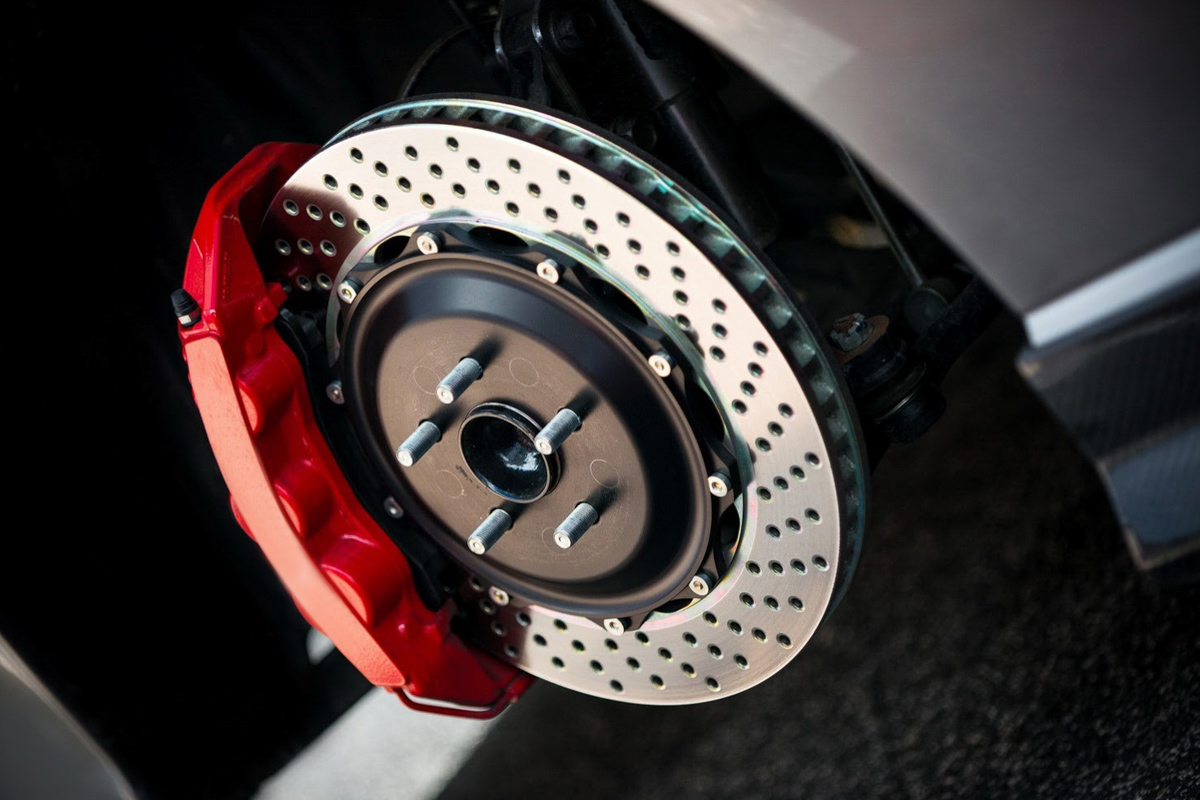
Standard vented rotors, found on the front axles of most modern vehicles, feature a central vane structure between two friction plates. This design enhances cooling by increasing surface area and airflow, effectively dissipating heat generated during braking. Solid rotors, typically used on rear axles of lighter vehicles, lack this ventilation and are suitable for lower heat loads. Performance-oriented drivers or those experiencing persistent heat-related issues might consider drilled or slotted rotors. Drilled rotors, with small holes through the friction surface, are designed to improve initial bite and dissipate gases and heat more aggressively, reducing fade. However, they can be prone to stress cracks around the holes, especially under extreme conditions. Slotted rotors feature channels cut into the surface, which continuously clean the pad surface of debris and gases, maintaining consistent friction and reducing glazing, often favored for track use due to their durability and consistent performance.
Material composition also plays a vital role. While most aftermarket and OEM rotors are high-carbon grey cast iron, offering a balance of performance and cost, specialized options exist. Carbon-ceramic rotors, for example, found in high-performance and exotic vehicles, offer exceptional heat resistance, significantly reduced weight, and superior braking performance, with maximum operating temperatures often exceeding 1000°C (1832°F). However, their prohibitive cost (often thousands of dollars per rotor) and specific pad requirements limit their widespread application. When selecting rotors, always ensure they meet or exceed OEM specifications for diameter, thickness (e.g., 28mm for a standard compact car, 32mm for an SUV), and bolt pattern, and consider your driving style and the vehicle’s intended use to make an informed decision that will effectively mitigate future brake rotor problems.
Comparative Analysis of Common Rotor Types
| Rotor Type | Primary Benefit | Typical Application | Considerations |
|---|---|---|---|
| Standard Vented Rotors | Good heat dissipation, cost-effective | Most front axles of passenger cars and light trucks | Prone to DTV under severe thermal stress; average weight |
| Solid Rotors | Cost-effective, simple design | Rear axles of lighter vehicles; older models | Limited heat dissipation; higher risk of fade under heavy use |
| Drilled Rotors | Enhanced initial bite, gas/heat dissipation | Performance vehicles, aesthetic upgrade | Increased risk of stress cracks, higher cost, can be noisy |
| Slotted Rotors | Consistent friction, pad cleaning, improved wet performance | Performance vehicles, track use, heavy-duty applications | Higher cost, can increase pad wear, potential for noise |
| Carbon-Ceramic Rotors | Extreme heat resistance, lightweight, superior performance | High-performance sports cars, luxury vehicles | Very high cost, specific pad requirements, cold weather performance can vary |
Frequently Asked Questions About Bad Brake Rotor Symptoms
What Are the Early Warning Signs of Bad Rotors?
The early warning signs of bad brake rotors are often subtle and can be easily mistaken for other braking system issues. One of the primary early indicators is a slight, intermittent pulsation felt through the brake pedal, especially during light to moderate braking at highway speeds, typically above 40 mph (64 km/h). This sensation, known as disc thickness variation (DTV), occurs when the rotor surface begins to develop microscopic high and low spots due to uneven heat distribution or material transfer from the brake pads. These variations, even as small as 0.0002 inches (0.005 mm), can cause the brake caliper to push and release the pads slightly, leading to the pulsating feel.
Another early sign can be a persistent, high-pitched squeal that doesn’t disappear after the brake pads have been properly bedded in or after a few brake applications. While often indicative of worn brake pads, a continuous squeal can also signal a glazed rotor surface, caused by repeated light braking or improper pad material. This glazing can reduce the rotor’s ability to dissipate heat and create an uneven friction surface, leading to audible vibrations. Furthermore, a slight increase in stopping distance, even if imperceptible to the average driver, can be an early indicator that the rotor’s friction capabilities are diminishing. Regular visual inspections during tire rotations, approximately every 7,500 to 10,000 miles, can also help identify subtle surface imperfections or discoloration before they become critical issues.
How Do I Differentiate Between Bad Rotors and Bad Brake Pads?
Differentiating between bad rotors and bad brake pads requires careful observation of the specific symptoms and their characteristics. While both components are integral to the braking system and can produce similar noises, the nuances in their manifestation are key to accurate diagnosis. Worn brake pads typically produce a high-pitched squealing or squeaking sound when braking, especially when the brake pad wear indicator (a small metal tab) makes contact with the rotor. As pads wear further, this can progress to a grinding noise if the friction material is completely depleted, leading to metal-on-metal contact between the pad’s backing plate and the rotor.
Bad rotors, on the other hand, are more commonly associated with tactile feedback. The most distinguishing symptom of a compromised rotor is a pulsation or vibration felt through the brake pedal or steering wheel during braking. This is typically due to disc thickness variation (DTV) or lateral runout, where the rotor surface is no longer perfectly flat. While a grinding noise can indicate severely damaged rotors, it often starts after the pads have completely worn out. A comprehensive inspection by a mechanic, involving measurements of rotor thickness, DTV, and runout, along with an assessment of pad thickness (typically requiring replacement if below 2-3 mm for most vehicles), is the most reliable way to definitively identify the source of the problem. For more information on Top Signs Your Brake Pads Need Replacement, consult our dedicated article.
Can Bad Rotors Cause Other Vehicle Problems?
Absolutely, ignoring bad brake rotor symptoms can lead to a cascade of problems extending beyond just compromised braking. The most immediate impact is often on other braking system components. Warped or grooved rotors can cause uneven wear on new brake pads, reducing their effective lifespan and necessitating premature replacement, sometimes within just a few thousand miles. The increased heat generated by faulty rotors can also damage caliper seals, leading to brake fluid leaks and potential caliper failure, requiring a more expensive caliper replacement rather than a simple pad and rotor service.
Beyond the braking system, the vibrations caused by warped rotors can significantly impact suspension components. Persistent shuddering through the steering wheel or chassis can accelerate wear on ball joints, tie rod ends, control arm bushings, and even wheel bearings. This premature wear can lead to compromised vehicle handling, increased tire wear (often manifesting as uneven or “choppy” wear patterns), and a generally less stable and less safe driving experience. For example, severe DTV can induce resonant vibrations throughout the front end, placing undue stress on components designed for smooth operation, leading to a diminished overall vehicle lifespan and significantly increased repair costs that could have been avoided with timely rotor replacement, which often costs between $150-$400 per axle for parts and labor, excluding luxury or performance vehicles.
What Is the Minimum Safe Thickness for a Brake Rotor?
Every brake rotor has a manufacturer-specified minimum safe thickness, often abbreviated as “MIN THK” and stamped directly onto the rotor’s hat or edge (e.g., “MIN THK 22MM”). This critical dimension represents the thinnest acceptable point to which a rotor can wear before it must be replaced. Operating a rotor below this minimum thickness significantly compromises its structural integrity and its ability to dissipate heat effectively. For a typical passenger vehicle, a new rotor might have a thickness of 25mm to 30mm, with the minimum safe thickness usually being 1mm to 2mm less than the original specification. For instance, a new rotor with an original thickness of 28mm might have a MIN THK of 26mm.
Exceeding this wear limit not only increases the risk of the rotor cracking or failing under thermal stress but also reduces the thermal mass available to absorb heat, leading to rapid overheating, brake fade, and potential deformation (warping) during heavy braking. This can lead to a dangerous reduction in braking efficiency and a pronounced increase in stopping distances. Certified technicians use a precision micrometer to measure the rotor’s thickness at multiple points to ensure it remains above this critical safety threshold. Any rotor found to be at or below its minimum thickness must be replaced immediately to ensure the safe and effective operation of the braking system. Attempting to machine (turn) a rotor that is already at or below its minimum thickness is strictly prohibited as it will render the rotor unsafe for use.