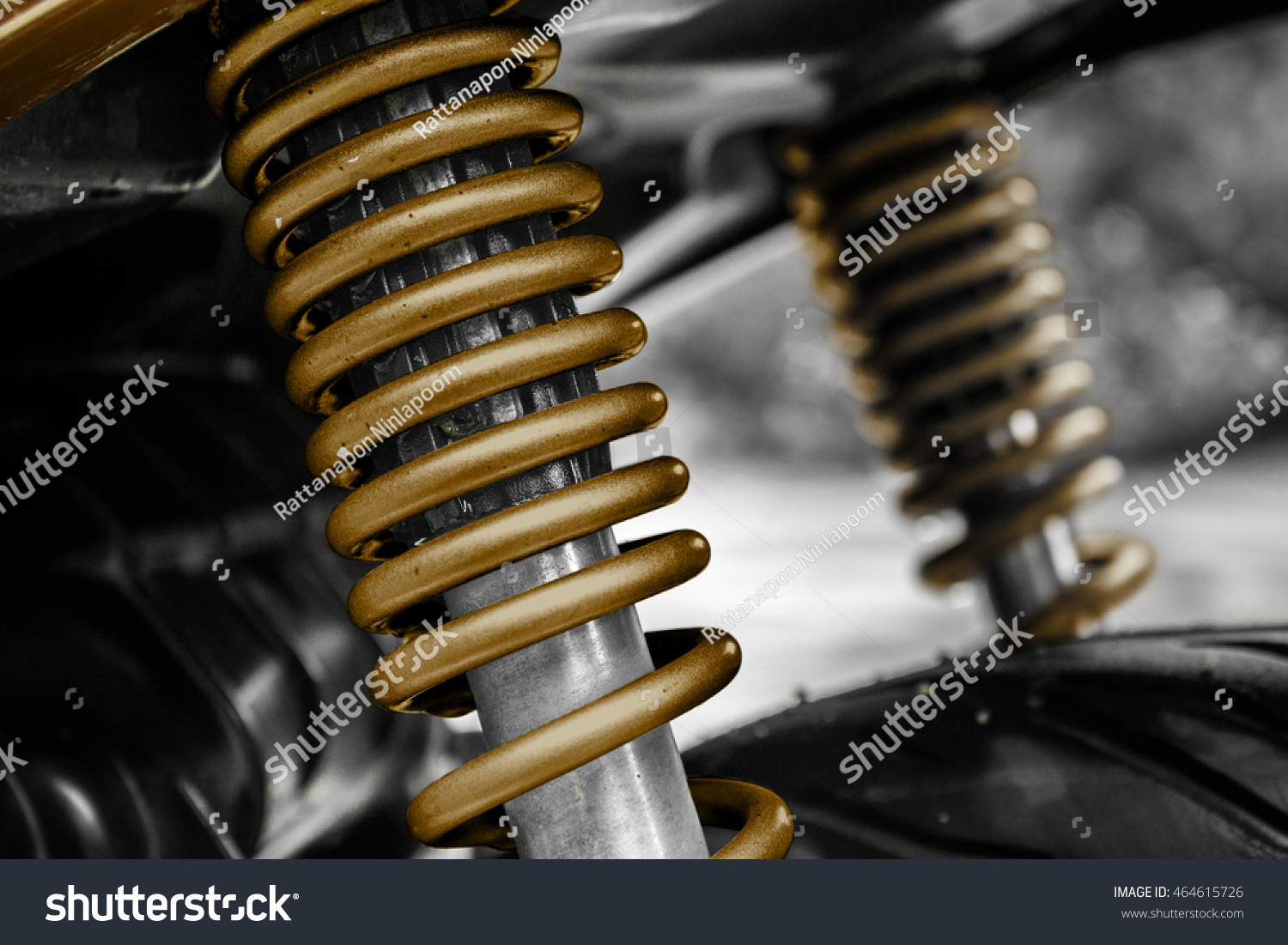
The simplest check for worn shocks is the bounce test: push down on one corner of the car and it should rise back slightly slower than it went down; if it bounces back like a rubber ball, the shock has no damping left. Haynes says to inspect shocks and struts about every 6,000 miles or with each tire rotation, and that most manufacturers expect them to be good for at least 50,000 miles of normal driving.
How do you tell if shocks or struts are bad?
- The bounce test. See above.
- A visual check. Shocks are sealed units, so oil on the shock body or an obvious leak means they are due for replacement.
- How the car drives. If it keeps bobbing after a large bump, rolls excessively in corners, dives under braking, locks a wheel under braking or spins a wheel under mild acceleration. If only one shock is bad, turns in one direction feel different from the other.
- Tire wear. Haynes says worn shocks cause “cupping”: regularly spaced rounded indentations around the tire. See when to replace tires and wheel alignment for other causes of uneven wear.
Haynes says worn shocks increase stopping distances, hurt cornering, accelerate tire wear and make the car less safe.
How long do shocks last?
There is no hard and fast rule. Haynes’ U.S. guide says most manufacturers expect at least 50,000 miles in normal driving, and that how and where you drive matters: speed bumps taken fast, weaving through traffic, frequent hard braking, off-road, potholes and track days all accelerate wear. The Haynes UK guide suggests around five years of general use on larger cars, longer if the car had a gentle, low-mileage life, and perhaps ten years on small cars with average to low mileage. Those are general rules of thumb, so check your manual.
What should you know about replacing them?
- Replace in pairs, both front or both rear at the same time (Haynes).
- Shocks need no special tools, but struts usually need a spring compressor unless you buy a complete assembly (a “quick-strut” or “loaded strut”). Haynes warns that a compressed spring can kill you: use the proper tools, rent a professional-grade compressor, and if in doubt have a professional remove the spring.
- Most of the labour is in removing and fitting the assembly. The Haynes guides we read give prices in pounds and from 2019, so we do not state any.
For what else to check regularly see our car maintenance schedule.
Frequently asked questions
How often should I check my shocks?
Haynes says about every 6,000 miles or with each tire rotation.
Can I replace just one shock?
Haynes says shocks should always be replaced in pairs on the same axle.
Sources: Haynes, “Checking Your Car’s Shocks and Struts” (April 2022); Haynes (UK), “How to check your car’s shocks for wear” (October 2019).