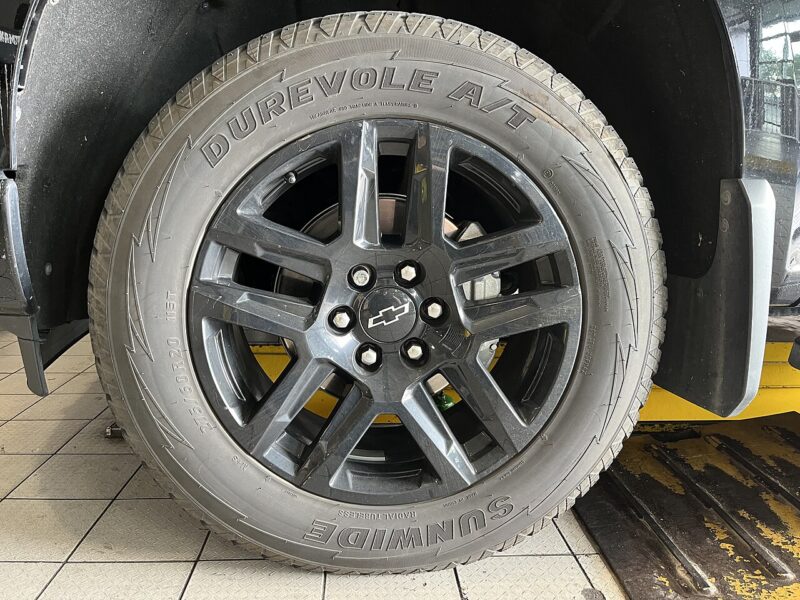
Tires need replacing when the tread is worn to the legal minimum, when they are damaged (bulges, cuts, nails) or when the rubber has aged, even if tread remains. Haynes’ UK guide says performance starts to suffer once tread falls below 3 mm and that on wet roads it takes about two extra car lengths to stop from 50 mph with 1.6 mm compared with 3 mm. This guide lists the signs and how to check.
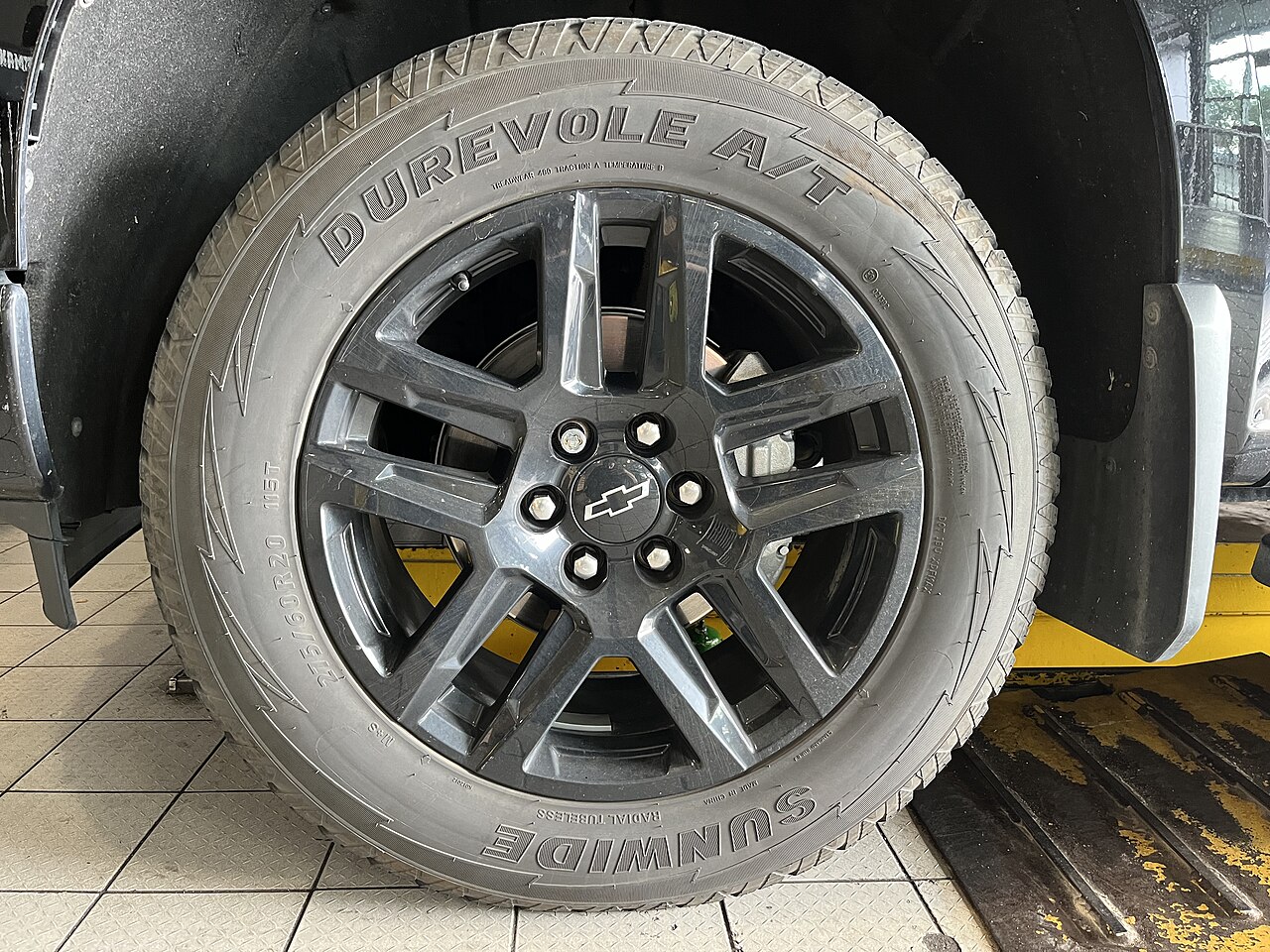
What are the signs that tires need replacing?
- Worn tread. Haynes says to check regularly, not every few months. In the UK the minimum is 1.6 mm across the central three-quarters of the tread and around the whole circumference; in the U.S., Haynes says requirements vary between states. Check your own state’s rule.
- Uneven wear. If one shoulder is more worn than the other, the wheel alignment is wrong or was wrong in the past, or the tires were swapped because of uneven wear. See wheel alignment.
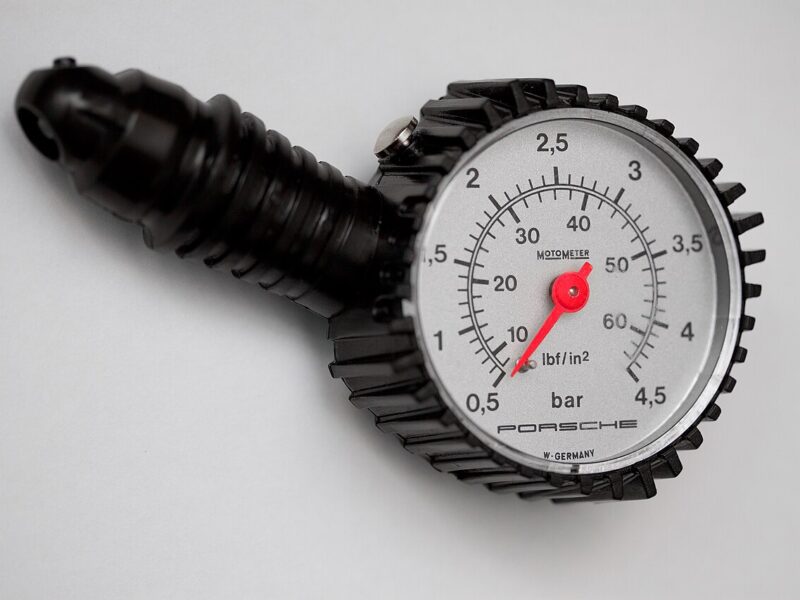
- Wear from wrong pressure. An under-inflated tire wears the sidewalls more heavily; an over-inflated one wears the centre of the tread early. See tire pressure.
- Damage. Haynes says to check for nails or screws between the tread blocks and for sidewall bulges from curb damage.
- Perishing rubber. It indicates that the tire has aged past its useful life even if there is enough tread. See tire age and the DOT date code.
- Pulling. If the steering pulls under acceleration or braking, or follows road irregularities, Haynes says to start with the tires. Mixing different brands or levels of wear on the front, or mixing asymmetric and directional types, can make this worse.
How do you check tread depth?
Haynes mentions the edge of a coin (a UK 20p coin has an edge of the right thickness) but says to get a proper tread gauge, which is cheap and more accurate. See how to check tread depth.
What should you do?
- Look over each tire weekly when you check the pressure.
- Replace tires that are at or near the legal minimum, damaged or aged.
- Do not mix crossply and radial tires on the same axle, according to Haynes.
- Rotate tires on schedule; see tire rotation.
For electric cars, which Consumer Reports says can wear tires faster, see why EV tires wear out faster. The Haynes guides do not give a price for tires.
Frequently asked questions
How low can tire tread go?
The UK legal minimum is 1.6 mm, per Haynes; in the U.S. it varies by state. Haynes says performance suffers below 3 mm.
Do tires expire?
Haynes says perished rubber means a tire has aged past its useful age even with enough tread.
Why does my car pull to one side?
Haynes says to start with the tires: wear, pressure and mismatched types can all cause it.
Source: Haynes (UK), “5 things your tyres are trying to tell you” (March 2017); Haynes, “Checking Your Car’s Tire Pressure” (March 2017). Fine and licence-point details in that article are UK-specific and are not repeated here.