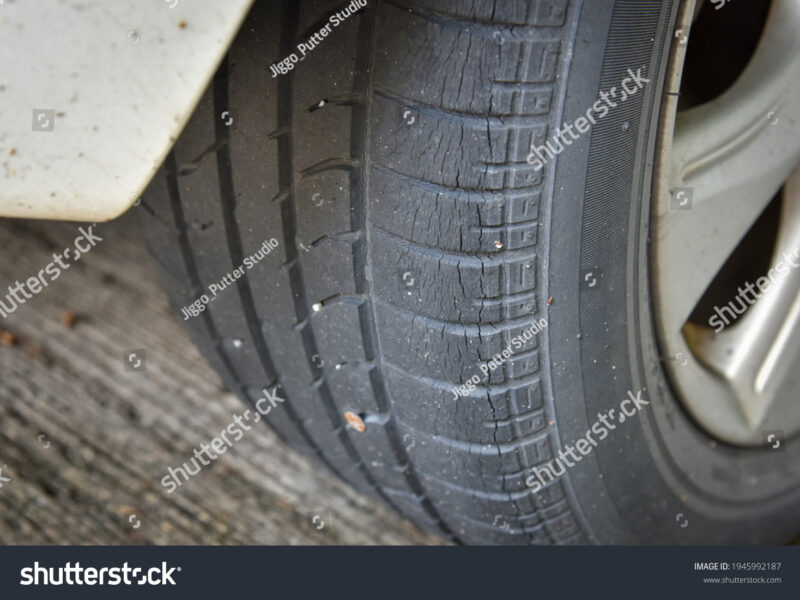
Tire pressure is the measure of air contained within a vehicle’s tire, typically calculated in pounds per square inch (PSI) or kilopascals (kPa). This air pressure is crucial as it supports the vehicle’s weight, impacts handling characteristics, and dictates the tire’s contact patch with the road surface. Maintaining optimal tire pressure not only enhances performance but also promises safety on the road.
Why Does Proper Tire Pressure Matter for Vehicle Performance and Safety?
Ensuring the correct tire inflation pressure is essential for several reasons. It significantly affects vehicle safety, operational efficiency, and tire lifespan. Incorrect tire pressure can lead to longer braking distances, compromised cornering stability, and a heightened risk of hydroplaning. These factors collectively contribute to improved road safety and a smoother driving experience.
How Does Underinflation Affect Tire and Vehicle Dynamics?
Underinflation occurs when the air pressure in your tire dips below the manufacturer’s recommended level. This condition amplifies rolling resistance, subsequently leading to increased fuel consumption and excessive heat buildup within the tire. The combination of excessive heat and reduced pressure can deteriorate tire integrity, resulting in accelerated wear, tread separation, and potential tire failure.
What are the Consequences of Overinflated Tires?
On the other hand, overinflation happens when the air pressure exceeds the manufacturer’s specified limit. This scenario decreases the tire’s contact patch, concentrating the vehicle’s weight over a smaller tread area. Consequently, reduced traction and extended braking distances occur, resulting in a harsher ride due to diminished shock absorption. Furthermore, overinflated tires result in uneven wear, predominantly in the center of the tread.
How to Accurately Check Your Vehicle’s Tire Pressure?
Checking tire pressure is a straightforward process that requires the right tools and a little know-how. Regularly monitoring tire pressure can prevent the adverse effects of both under and overinflation, keeping your vehicle safe and efficient.
What Tools are Required for a Tire Pressure Check?
To accurately assess tire pressure, you need a reliable tire pressure gauge and access to an air compressor for adjustments. Tire gauges come in various designs such as stick, digital, and dial types, each with unique levels of precision. An air compressor is invaluable for fine-tuning your tire’s inflation levels.
What are the Step-by-Step Instructions for Checking Tire Pressure?
- Locate the recommended tire pressure values for your vehicle. You can typically find these on a sticker inside the driver’s side door jamb, in the owner’s manual, or occasionally on the fuel filler flap.
- Ensure the tires are “cold”, meaning the vehicle should have been parked for at least three hours or should not have been driven for more than one mile. Heat generated from driving can distort readings.
- Unscrew the valve cap from a tire stem.
- Firmly press the tire pressure gauge onto the valve stem. If you hear a hissing sound, adjust the gauge until it stops, and a reading is displayed.
- Read the pressure on the gauge.
- Compare the reading to the manufacturer’s recommended PSI or kPa.
- If the pressure is too low, add air using an air compressor until it reaches the optimal level. For high pressure, gently press the small pin in the center of the valve stem to release air.
- Repeat this process for all four tires and the spare tire if applicable. Don’t forget to replace all valve caps.
What Factors Influence Recommended Tire Pressure Values?
Recommended tire inflation pressure varies between vehicles and is determined by specific vehicle attributes and conditions. Manufacturers deploy extensive testing to identify optimal pressures that ensure safety, performance, and tire longevity.
How Do Vehicle Manufacturer Specifications Determine Optimal Tire Pressure?
Each vehicle manufacturer defines optimal tire pressure values, usually found on a placard inside the door jamb or in the owner’s manual. These specifications consider weight distribution, suspension geometry, and anticipated usage. Adhering to these guidelines is vital for maintaining proper vehicle handling and tire performance. For a comprehensive approach to vehicle maintenance, explore important topics such as Preventing Tire Blowouts: Essential Strategies for Automotive Safety.
What Role Does the Tire Pressure Monitoring System (TPMS) Play?
A Tire Pressure Monitoring System (TPMS) is an innovative electronic system designed to observe air pressure levels inside pneumatic tires. This system alerts drivers to significantly underinflated tires or failures through an indicator light on the dashboard. TPMS systems became a requirement for new vehicles in the United States starting in 2007.
| Condition | Impact on Safety | Impact on Fuel Economy | Impact on Tire Longevity |
|---|---|---|---|
| Underinflation | Reduced braking effectiveness, diminished handling, increased risk of blowouts. | Increased rolling resistance, causing higher fuel consumption (e.g., a 0.2% increase in fuel usage for every 1 PSI drop). | Excessive heat buildup, uneven wear on outer edges, premature tire failure. |
| Overinflation | Reduced traction, increased braking distance, harsher ride, heightened vulnerability to road hazards. | Slightly improved fuel economy, but at the cost of safety and comfort. | Reduced contact patch, accelerated wear in the center of the tread, increased susceptibility to punctures. |
| Correct Inflation | Optimal braking, stable handling, minimized accident risk. | Maximized fuel efficiency, lower operational costs. | Even tread wear, extended tire lifespan, consistent performance. |
Frequently Asked Questions about Tire Pressure
How often should you check your car’s tire pressure?
It is advisable to check your vehicle’s tire pressure at least once a month and before embarking on long trips. Temperature shifts can significantly influence tire pressure, with a general guideline indicating a change of around 1 PSI for every 10-degree Fahrenheit fluctuation. A dip in temperature particularly merits a pressure check to avoid underinflation.
Can different tire types have different recommended pressures?
Indeed, various tire types can have different recommended pressures, even for the same vehicle. Always consult the specific tire pressure placard provided by the vehicle manufacturer, which details the tires originally equipped or recommended. Aftermarket tires may have unique inflation needs, but the vehicle’s placard serves as the primary reference point. Regular maintenance checks, including tire pressure, are as vital as ensuring your engine operates optimally. Delve into important insights on enhancing engine performance, such as Optimizing Engine Health: The Benefits of High-Performance Oil Filters.
What does the maximum pressure listed on a tire sidewall mean?
The “max. press.” or “maximum inflation pressure” displayed on a tire’s sidewall refers to the utmost cold air pressure the tire can safely hold. However, this is not the recommended operating pressure for your vehicle. Exceeding this limit can be dangerous. Always inflate your tires to the manufacturer’s advised pressure, which is typically lower than the maximum value indicated on the tire itself.