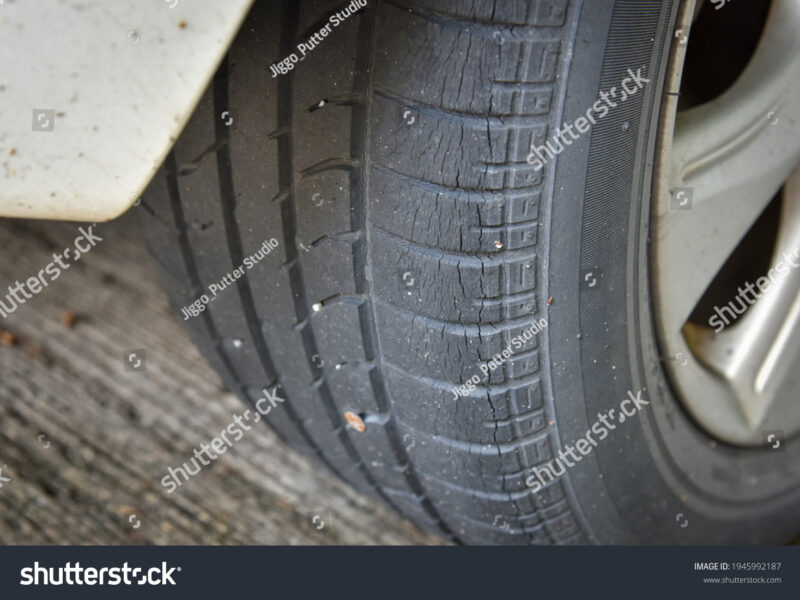
Choosing the best all-season tires for trucks requires a meticulous evaluation of their durability and performance metrics, ensuring your vehicle can handle diverse road conditions, heavy loads, and varying terrains throughout the year.
What Defines Top-Rated All-Season Tires for Trucks?
Top-rated all-season tires for trucks are engineered to provide a harmonious blend of reliability and functionality, specifically tailored to the rigorous demands placed on pickup trucks, service vehicles, and commercial vans. Unlike tires designed for lighter passenger cars, truck tires must contend with significantly higher payload capacities, substantial towing requirements, and often more challenging operational environments. This necessitates a robust construction and advanced tread compounds.
The core characteristic of these tires is their versatility, allowing them to perform competently across a spectrum of weather conditions—from dry summer highways to wet roads and light snow. They achieve this balance through specialized tread patterns that incorporate a higher siping density for improved wet and winter grip, alongside larger tread blocks for enhanced dry traction and stability under load. This adaptability minimizes the need for seasonal tire changes, offering convenience and cost efficiency for truck owners.
Furthermore, the designation “all-season” for trucks often encompasses a broader range, including both Highway All-Season (H/T) and All-Terrain All-Season (A/T) options. Highway-focused tires prioritize a smoother, quieter ride and extended tread life for primarily paved-road use, while All-Terrain variants offer increased off-road capability, aggressive styling, and enhanced resistance to punctures, making them suitable for mixed-use applications that include gravel, dirt, and moderate trails. Selecting the right type depends entirely on the truck’s primary use case and the specific demands of the driver.
Essential Durability Metrics for All-Season Truck Tires
Durability is paramount for all-season truck tires, directly impacting their lifespan, resistance to damage, and overall value. A key indicator is the UTQG (Uniform Tire Quality Grade) Treadwear rating, where a higher number signifies a longer expected tread life. For heavy-duty truck applications, looking for a treadwear rating of 600 or above often indicates a tire engineered for extended service, though real-world performance can vary based on driving habits and maintenance.
The construction of a truck tire, particularly its ply rating or Load Range, is another critical durability factor. Most light truck (LT) tires feature a 10-ply rating, corresponding to Load Range E, which signifies a robust internal structure capable of supporting substantial weights and maintaining structural integrity under high pressure. This heavy-duty construction includes reinforced sidewalls and steel belts that enhance resistance to impacts, punctures, and deformation, crucial for maintaining stability when towing trailers or carrying maximum payloads.
Beyond internal structure, the tread compound’s resistance to chipping and cutting is vital, especially for trucks that frequently encounter unpaved roads, construction sites, or gravel paths. Manufacturers employ specialized rubber compounds designed to withstand abrasive surfaces and sharp objects, minimizing premature wear and tire failure. A visible indicator of this ruggedness is often a more blocky, aggressive tread design on certain A/T all-season options, which also contributes to overall durability by distributing forces more effectively.
Finally, a strong mileage warranty provided by the manufacturer serves as a testament to a tire’s expected durability. Many top-tier all-season truck tires offer warranties ranging from 50,000 to 70,000 miles, providing peace of mind and demonstrating the manufacturer’s confidence in their product’s longevity. This warranty, combined with proper tire maintenance like regular rotations and pressure checks, helps maximize the tire’s operational life and performance.
Key Performance Metrics for All-Season Truck Tires
Performance in all-season truck tires encompasses a range of attributes that dictate safety, handling, and ride quality across varied conditions. Traction is arguably the most critical performance metric, measured by a tire’s ability to grip the road in wet, dry, and light snow conditions. Advanced tread patterns feature multi-angled sipes and circumferential grooves that efficiently channel water away from the contact patch, reducing hydroplaning risk and enhancing wet braking and acceleration. For light snow, a significant number of sipes and specific rubber compounds ensure adequate grip, though they are not substitutes for dedicated winter tires in severe conditions.
Load Capacity and Speed Rating are fundamental performance indicators for trucks. Load capacity, typically expressed as a Load Index (e.g., 121 for 3197 lbs per tire) and Load Range (e.g., Load Range E), specifies the maximum weight a single tire can support at its maximum inflation pressure. Adhering to or exceeding your truck’s original equipment load requirements is crucial for safety and tire longevity, especially when towing or hauling. Similarly, the Speed Rating (e.g., S for 112 mph, T for 118 mph, R for 106 mph) indicates the maximum safe speed at which the tire can carry a specified load, and it’s imperative to match this to your vehicle’s intended usage.
Handling and stability are also pivotal, particularly for trucks carrying heavy loads or navigating highways. A well-designed all-season truck tire provides responsive steering, predictable cornering, and excellent straight-line stability, even when confronted with crosswinds or uneven road surfaces. This is achieved through stiff sidewalls, robust shoulder blocks, and optimized tread designs that maintain a consistent contact patch, ensuring driver confidence and control under various operating conditions.
While often secondary to durability and load-bearing capabilities, noise and comfort are increasingly important performance aspects for modern truck owners. Manufacturers utilize advanced acoustic engineering and tread block sequencing to minimize road noise and vibration, providing a more refined and comfortable ride, especially on long highway journeys. The ideal all-season truck tire strikes a balanced compromise, offering rugged performance without unduly sacrificing ride quality.
Top-Rated All-Season Truck Tire Models: A Comparative Review
When it comes to selecting the best all-season tires for trucks, several models consistently receive high praise for their blend of durability and performance. These tires are designed to meet the rigorous demands of truck owners, offering dependable traction and long-lasting wear. For specific recommendations on SUV tires or sedan tires, different considerations apply due to variations in vehicle weight and intended use.
The Michelin Defender LTX M/S is frequently cited as a leader in the highway all-season category for trucks, renowned for its exceptional tread life, quiet ride, and reliable wet and dry traction. Its Evertread™ compound contributes to its impressive durability, often exceeding 70,000-mile warranties. For truck owners seeking more aggressive capability without sacrificing highway manners, the Cooper Discoverer AT3 4S offers a robust all-terrain performance with a focus on all-season grip, including Three-Peak Mountain Snowflake (3PMSF) certification for severe snow, making it a highly versatile choice.
Goodyear’s Wrangler Workhorse HT also stands out as a strong contender, particularly for those prioritizing heavy-duty work applications. This tire is engineered for enhanced durability, load-carrying capability, and impressive tread life, making it suitable for fleet vehicles and trucks that frequently tow or haul. Its robust construction resists chips and cuts, which is essential for trucks operating in demanding environments. Each of these models presents a unique value proposition, catering to specific driving needs and preferences within the truck segment.
Below is a comparative table highlighting key specifications for some of the top-rated all-season truck tires:
| Tire Model | Type | Typical UTQG Treadwear | Common Load Range | Typical Mileage Warranty | Key Features |
|---|---|---|---|---|---|
| Michelin Defender LTX M/S | Highway All-Season | 720-800 | E (10-ply) | 60,000-70,000 miles | Excellent wet/dry traction, quiet ride, long tread life, Evertread™ compound. |
| Cooper Discoverer AT3 4S | All-Terrain All-Season | 620-640 | E (10-ply) | 65,000 miles | 3PMSF rated, aggressive all-terrain, superior wet traction, good comfort. |
| Goodyear Wrangler Workhorse HT | Highway All-Season | 600-640 | E (10-ply) | 50,000-60,000 miles | Enhanced durability for work, cut/chip resistance, good load capacity. |
| BFGoodrich All-Terrain T/A KO2 | All-Terrain All-Season | 500-580 | E (10-ply) | 50,000 miles | Exceptional off-road durability, 3PMSF rated, aggressive sidewall armor. |
How to Select the Right All-Season Truck Tires for Your Needs
Selecting the ideal all-season truck tires involves a personalized assessment of your vehicle type, primary driving environment, and specific performance expectations. Begin by identifying whether your truck is a light-duty (e.g., Ford F-150, Ram 1500) or heavy-duty model (e.g., Ford F-250, Ram 3500), as their load-carrying requirements and ideal tire specifications can differ significantly. For comprehensive guidance on tire types, refer to our detailed article on How to Choose the Right Car Tires.
Next, consider your primary usage. If your truck is predominantly used for highway commuting and light hauling, a Highway All-Season (H/T) tire will likely offer the best balance of comfort, fuel efficiency, and tread life. These tires are designed for maximum contact on paved surfaces, reducing road noise and improving ride quality. Conversely, if your driving frequently involves unpaved roads, construction sites, or moderate off-road excursions, an All-Terrain All-Season (A/T) tire is more appropriate due to its reinforced construction and more aggressive tread pattern, which provides superior grip and puncture resistance.
Finally, factor in your local climate and specific performance demands. While all-season tires are versatile, those living in regions with consistently severe winter weather might still consider dedicated winter tires for optimal safety, despite the excellent light-snow performance of some all-season truck options. Always check the tire’s load index, speed rating, and UTQG ratings to ensure they align with your truck’s manufacturer specifications and your personal driving habits, ensuring both safety and optimal performance.
FAQ: What is the best all-season tire for a heavy-duty truck?
For a heavy-duty truck, the “best” all-season tire typically refers to models that prioritize maximum load capacity, exceptional durability, and reliable traction under demanding conditions. Tires like the Michelin Defender LTX M/S or the Goodyear Wrangler Workhorse HT are highly recommended. These tires usually feature a Load Range E (10-ply rating), robust internal construction with reinforced sidewalls, and a higher load index (e.g., 121 or higher) to safely support the heavier weights associated with large payloads and towing. They also offer tread compounds designed for extended wear and resistance to chipping, critical for vehicles that frequently operate in commercial or challenging environments.
FAQ: How often should I rotate my all-season truck tires?
It is generally recommended to rotate all-season truck tires every 5,000 to 7,500 miles, or according to your truck manufacturer’s specifications. Regular tire rotation is crucial for promoting even tread wear across all four tires, which in turn extends their overall lifespan and maintains consistent handling performance. Due to the heavier weight distribution and torque applied to truck tires, irregular wear patterns can develop more quickly than on passenger car tires, making consistent rotation even more vital. Always ensure tires are inflated to the proper pressure after rotation, as specified on your vehicle’s door jamb or owner’s manual.
FAQ: Are all-season truck tires good for towing?
Yes, many all-season truck tires are specifically designed to excel in towing applications, provided they meet or exceed your truck’s load and speed rating requirements. When selecting all-season tires for towing, look for models with a high Load Range (typically E for most heavy-duty applications) and a robust construction that prevents excessive sidewall flex under load. Tires featuring sturdy shoulder blocks and a stable tread pattern provide enhanced stability, reduce sway, and maintain consistent contact with the road, which are crucial factors for safe and efficient towing. Always verify the tire’s maximum load capacity to ensure it aligns with your towing needs.
FAQ: What’s the difference between all-season SUV and truck tires?
While some all-season tires are cross-compatible, dedicated all-season truck tires are generally engineered with a higher emphasis on load capacity, durability, and resistance to harsher conditions compared to all-season SUV tires. Truck tires, especially those designed for light trucks (LT), typically feature a higher ply rating (e.g., Load Range E or 10-ply) and a more robust internal structure to handle significantly heavier payloads and towing demands. SUV tires, particularly for passenger SUVs, often prioritize a quieter ride, softer compound for comfort, and performance characteristics more akin to passenger car tires, as detailed in our guide on Top-Rated All-Season Tires for SUVs. While both offer year-round performance, the structural integrity and load-bearing capabilities are the primary distinctions.
FAQ: Can I use all-season sedan tires on my truck?
No, you should not use all-season sedan tires on your truck. Sedan tires (P-metric or passenger car tires) are designed for lighter vehicles and lack the robust construction, load capacity, and durability required for trucks. Using sedan tires on a truck can lead to premature tire failure, compromised handling, reduced towing capacity, and significant safety risks, particularly when carrying heavy loads or towing. Trucks require tires specifically rated for their weight and intended use, typically light truck (LT) tires, which possess the necessary ply rating and load index. For more information on appropriate tire types for different vehicles, consult our article on The Best All-Season Tires for Sedans.