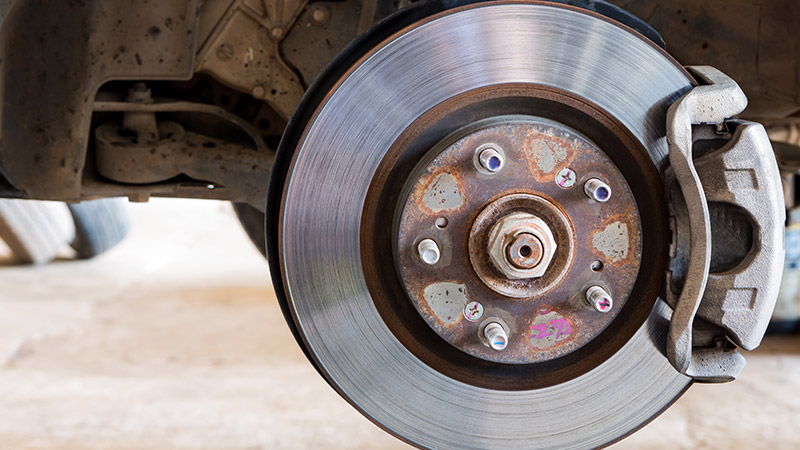
Brake dust, that dark, gritty residue you find on your car’s wheels, originates from the friction generated between brake pads and rotors during braking. Composed primarily of metallic particles, carbon fibers, and adhesive resins, this abrasive substance not only mars your vehicle’s aesthetic appeal but can also lead to corrosive damage to wheel finishes over time.
What is Brake Dust and Why Does it Accumulate?
Brake dust is essentially the byproduct of wear and tear on braking materials as they engage in their critical function. As brake pads frictionally grind against rotors, tiny fragments of the pad material—predominantly carbon and metallic fibers—are shed and dispersed. Due to static electricity and air turbulence generated by the wheels’ rotation, these particles cling to the nearest surfaces, mainly your wheels, manifesting as that telltale dark dust. This accumulation signifies an ongoing abrasive process that deserves your attention.
What Factors Influence the Production of Brake Dust?
The quantity of brake dust your vehicle produces is significantly influenced by several factors, including the type of brake pad materials used, your driving habits, and the design of rotors. Metallic compounds typically found in semi-metallic brake pads tend to generate more visible dust due to their increased wear rate. Moreover, aggressive driving—characterized by frequent hard braking—intensifies dust creation due to heightened friction and heat at the brake pad-rotor interface. Additionally, the materials and finishes of brake rotors can either accelerate or diminish the rate of pad wear. For a deeper understanding, check out Understanding the different types of automotive brakes.
What are the Primary Solutions for Reducing Brake Dust?
To effectively combat brake dust, a combination of preventative measures and routine maintenance is essential. Strategies such as upgrading to low-dust brake pads, applying protective wheel coatings, installing brake dust shields, and maintaining a consistent cleaning routine can collectively minimize the accumulation of brake particles on your wheels.
How Do Low-Dust Brake Pads Minimize Particulate Matter?
Low-dust brake pads leverage advanced friction material formulations that yield less visible dust. Ceramic brake pads, for instance, are crafted from denser, less abrasive materials, resulting in slower wear and the generation of finer, lighter dust that is less noticeable. On the other hand, semi-metallic low-dust pads consist of a unique blend of metals and organic materials designed to minimize the traditional metallic dust output. These specially engineered brake pads provide reliable stopping power while significantly reducing the dark residue on your wheels. If you’re interested in high-performance options, explore the top 5 brake pads for superior stopping power, which often include low-dust variants.
What Role Do Wheel Coatings Play in Brake Dust Management?
Wheel coatings, especially ceramic or polymer-based sealants, create a barrier that repels brake dust, making cleaning a breeze. By forming a hydrophobic layer, these coatings prevent particulate matter from bonding to the wheel’s finish. Consequently, water and contaminants bead up and can be rinsed away with minimal effort, significantly reducing the need for vigorous scrubbing. This protective shield also enhances your wheels’ resistance to environmental factors and UV damage, keeping them looking pristine.
Are Brake Dust Shields an Effective Mitigation Strategy?
Brake dust shields act as physical barriers between the wheel and the brake assembly, effectively preventing brake dust from reaching the wheel’s surface. Made from lightweight metals or composite materials, these shields deflect airborne particles produced during braking. While they are effective at diminishing dust accumulation, proper installation is essential to avoid potential brake cooling issues, especially in performance vehicles. These shields serve to block particulate matter from adhering to the exterior of the wheels, thus maintaining a cleaner appearance. For further insights, explore The role of brake calipers, which highlights the intricacies of these components’ interactions within the wheel assembly.
How Does Brake Dust Affect Vehicle Components and Aesthetics?
Brake dust doesn’t just detract from your vehicle’s attractiveness; it also poses risks to specific components due to its abrasive nature. The metallic elements within brake dust can etch into the clear coats and painted finishes of your wheels, leading to permanent staining and pitting. When combined with moisture, this build-up can hasten corrosion on exposed metal surfaces of the wheels and adjacent parts, such as brake calipers. If neglected, brake dust can lead to premature degradation of both the wheel’s appearance and structural integrity over time.
What is the Recommended Cleaning Regimen for Brake Dust?
A proactive approach to cleaning brake dust is essential for maintaining both the functionality and aesthetics of your vehicle. It’s advised to rinse the wheels with high-pressure water first to displace loose particles. Following this, apply a pH-neutral wheel cleaner that is compatible with your wheel’s finish, allowing it to dwell for the recommended time. Use a dedicated wheel brush or mitt to scrub away ingrained dust from all areas, including spokes and barrels. Rinse thoroughly to remove all cleaner residue, and dry the wheels immediately using a clean microfiber towel to prevent water spots. This systematic cleaning routine effectively eliminates abrasive deposits without harming the wheel surfaces.
| Brake Pad Material | Dust Production | Stopping Power | Lifespan |
|---|---|---|---|
| Ceramic | Low (fine, light dust) | Good, consistent | Long |
| Semi-Metallic | Medium to High (dark, visible dust) | Excellent | Medium |
| Organic (NAO) | Low to Medium (softer, darker dust) | Good, quiet | Medium |
Frequently Asked Questions
How often should wheels be cleaned to prevent brake dust buildup? For optimal prevention of brake dust accumulation and to safeguard against damage, it is recommended to clean your wheels weekly, or at least bi-weekly, depending on your driving frequency and the type of brake pads in use.
Can brake dust cause damage to my vehicle’s finish? Absolutely. Brake dust can inflict permanent harm on your vehicle’s wheel finish, including etching, pitting, and corrosion, particularly if it remains on the surface for prolonged periods, especially when exposed to moisture.
Are all low-dust brake pads equally effective? Not necessarily. The effectiveness of low-dust brake pads can differ based on their material composition, manufacturer, and vehicle application, with ceramic pads typically standing out for superior dust reduction while still providing reliable stopping performance.