Every time you press the brake pedal, an intricate yet highly efficient hydraulic system is activated, bringing your vehicle to a safe and controlled stop. At the heart of this critical operation lies the brake caliper, an essential component often overshadowed by other parts, yet vital for ensuring vehicle safety and performance. Understanding the complex brake caliper function is crucial for appreciating the car’s stopping power and recognizing when maintenance is necessary.
The Core of Stopping Power: What is a Brake Caliper?
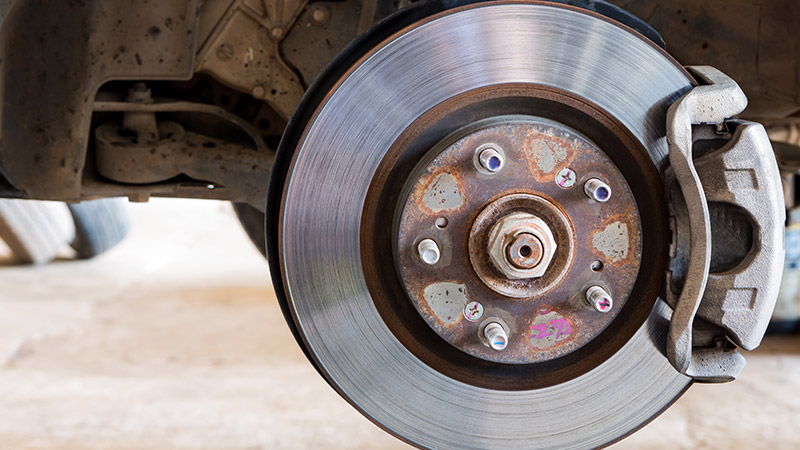
A brake caliper functions as the clamping mechanism of your vehicle’s disc brake system, standard in most modern cars and light trucks. It encapsulates the spinning brake rotor, which is attached to your wheel. Inside this assembly, you will find brake pads and hydraulic pistons. These components work in tandem to generate the friction necessary to decelerate or halt your vehicle efficiently.
Without the brake caliper’s precise operation, the brake pads would be unable to engage with the discs, rendering the entire braking system ineffective. It is this component that directly translates hydraulic pressure into the mechanical force required for effective braking.
How the Brake Caliper Function Drives Deceleration
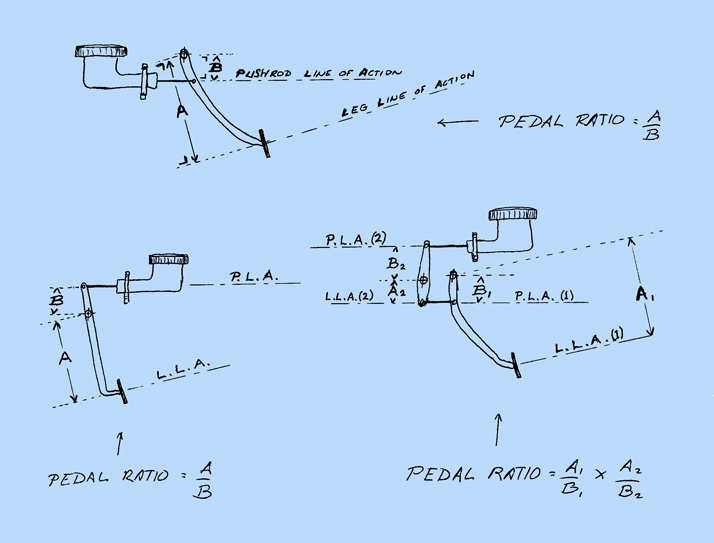
The braking process initiates when you press the brake pedal, generating hydraulic pressure from the master cylinder. This pressure travels through the brake lines to the calipers. Inside the caliper, this pressurized brake fluid actuates one or more pistons, causing them to extend.
These pistons push the brake pads firmly against the rotating brake rotor. The friction produced converts the vehicle’s kinetic energy into heat, effectively slowing down or stopping the wheels’ rotation. When the pedal is released, the pressure dissipates, allowing the pistons to retract and the pads to withdraw from the rotor, restoring the vehicle’s motion.
Types of Brake Calipers: Fixed vs. Floating
Brake calipers are primarily categorized into two designs: fixed and floating (also known as sliding). Each type presents unique features and is suited for various vehicle applications and driving conditions.
Floating Calipers
Floating calipers are the most widely encountered type in contemporary passenger vehicles. They are designed to slide horizontally relative to the brake disc. Typically, this design incorporates one or two pistons located on one side of the rotor.
When the brake pedal is engaged, the piston(s) apply pressure to the inner brake pad against the rotor while simultaneously pulling the outer pad against the rotor by the caliper sliding. This straightforward design generally simplifies production and maintenance.
Fixed Calipers
Fixed calipers, in contrast, remain stationary during braking and do not float. They are characterized by having pistons positioned on both sides of the brake rotor, offering more even pressure distribution for enhanced braking performance.
Because of their complexity, fixed calipers are often integrated into high-performance vehicles and racing applications where superior stopping power and precise control are paramount. While they typically come with a higher price tag due to their sophisticated machining and greater number of pistons, they deliver better overall braking efficacy.
The Critical Importance of Brake Caliper Function for Safety
The proper brake caliper function is indispensable for vehicle safety. These components are directly accountable for a car’s ability to stop effectively. Malfunctioning calipers can result in hazardous situations on the road.
According to the National Highway Traffic Safety Administration (NHTSA), brake-related failures are linked to a significant percentage of collisions. A 2018 NHTSA report indicated that 22% of all crashes attributed to faulty vehicle components were associated with braking issues. Thus, ensuring your brake calipers are in excellent condition is critical for your safety and the safety of others on the road.
Common Brake Caliper Problems and What to Watch For
Like all mechanical parts, brake calipers are subject to wear and tear over time. Early recognition of failing calipers may prevent further damage and costly repairs.
Signs of Malfunction
- Uneven Braking or Vehicle Pulling to One Side: Often indicative of a sticking caliper, this condition prevents uniform contact with the rotor. If your vehicle veers to one side while braking, it may suggest that a caliper isn’t applying equal pressure.
- Unusual Noises: Grinding or squealing sounds may signify worn brake pads or a caliper failing to retract properly. Foreign objects lodged in the braking system can also create disruptive sounds. For more insight on brake noises, read our article on decoding common brake sounds.
- Reduced Braking Efficiency: A spongy or hard brake pedal, or increased stopping distances may signify problems with your calipers or the overall hydraulic system.
- Brake Fluid Leaks: Damaged seals within the caliper could lead to brake fluid leaks, reducing hydraulic pressure and, consequently, braking effectiveness. A noticeable drop in brake fluid levels in the reservoir is a warning sign.
- Burning Smell: Experiencing a persistent burning odor, particularly after braking, could indicate an overheating brake system due to a sticking caliper.
Maintaining Your Brake Calipers for Longevity
Regular maintenance is paramount for extending the lifespan of your brake calipers and ensuring optimal performance. Although calipers are designed to be durable, environmental factors like road salt and moisture can cause corrosion and lead to sticking pistons.
During routine brake servicing, mechanics will inspect calipers for signs of wear, corrosion, or damage, checking for proper piston operation and secure mounting. Simple maintenance practices such as cleaning and lubricating caliper slide pins are critical for longevity. For comprehensive tips on extending your braking system’s life, explore our guide on essential maintenance tips.
Most brake calipers can last up to 100,000 miles, though driving conditions and habits significantly influence this lifespan. Timely replacement of worn components, such as seals and pads, is crucial to prevent further complications. If you’re noticing brake-related problems, immediate inspection and repair are essential. Learn more about diagnosing and fixing common issues here.
Conclusion
The brake caliper function is fundamental to your vehicle’s capability to stop safely and effectively. This vital component, working synergistically with brake pads and rotors through a hydraulic system, translates your pedal input into precise stopping force. Knowledge of how calipers operate, awareness of wear signs, and prioritizing regular maintenance are essential practices for any responsible vehicle owner, ensuring reliability and safety on the road.