The braking system of your vehicle is more than just a collection of parts; it’s a lifeline that ensures your safety on the road. Understanding the differences between vented and solid brake rotors plays a vital role in performance, safety, and longevity. Vented brake rotors, equipped with innovative internal cooling vanes, excel at dissipating heat, making them the go-to choice for high-demand driving conditions that require consistent, reliable braking.
In contrast, solid brake rotors provide a robust, cost-effective solution for lighter-duty vehicles engaged in everyday driving scenarios. By understanding the unique features of these rotors, you can better appreciate their respective roles and choose the right one for your vehicle’s needs.
What Are the Fundamental Structural Differences Between Vented and Solid Brake Rotors?
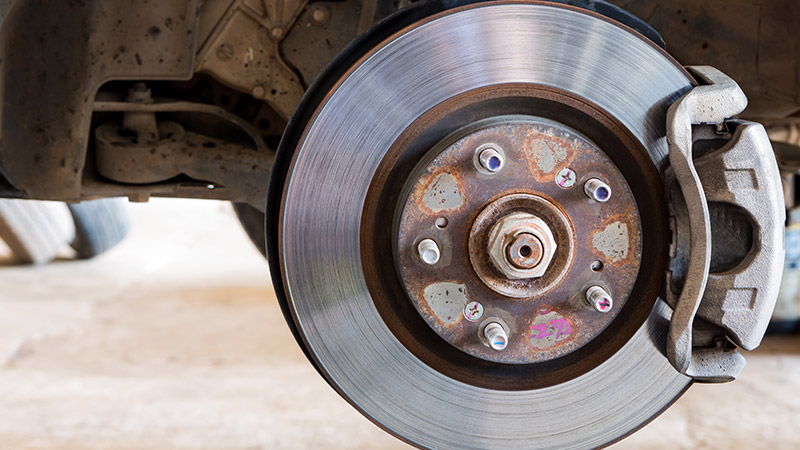
At the heart of solid brake rotors lies simplicity and durability. Crafted from a single piece of cast iron, which is an alloy containing 2-4% carbon, silicon, and manganese, they lack the internal channels or vanes present in their vented counterparts. This ensures a uniform thickness and smooth surface, striking a balance between cost, resilience, and effective heat absorption, particularly for standard vehicles.
The manufacturing process for solid rotors involves pouring molten iron into a mold, treating it in a vacuum furnace, and then pressing it under approximately 20 tons of pressure at around 400°F (204°C). This compacting process is followed by precision milling and drilling to shape the final component.
On the other hand, vented brake rotors boast a more complex design. Their internal vanes create airflow passages between two friction surfaces, drastically improving cooling efficiency. Typically thicker than solid rotors, the modern variations of vented rotors come in multiple configurations, including straight, curved, and pillar structures, all aimed at maximizing airflow and cooling—a critical advantage for high-performance braking. Similar to solid rotors, most vented variants are made from molten grey cast iron, intricately shaped using CNC machinery.
How Do Vented and Solid Rotors Differ in Thermal Management and Brake Fade Resistance?
When it comes to thermal management, vented rotors clearly lead the way. Their internal vanes significantly expand the surface area exposed to airflow, resulting in enhanced convective heat transfer. Research indicates that ventilated rotors can lower peak operating temperatures by as much as 30% compared to solid rotors.
This superior cooling is essential for preventing brake fade—a critical loss of stopping power due to excessive heat. When brake pad temperatures surpass optimal levels, the resin within the pads can vaporize, creating a film that reduces friction between the pad and the disc.
While solid rotors are certainly durable, their limited heat dissipation capabilities mean they tend to retain heat longer, leading to accelerated brake pad wear and reduced performance in demanding situations. Ideal for standard driving, they become less effective under prolonged or aggressive braking. For example, if your brake calipers stick due to inadequate cooling, you may experience your vehicle pulling to one side, or you might hear grinding or squealing noises from the affected wheel, symptoms often linked to common brake rotor problems.
Brake pads—whether ceramic or low-metallic (NAO)—function optimally within a specific temperature range, typically between -40°F and 1,200°F (-40°C to 650°C). Extended heat beyond these limits can severely compromise their performance. For applications that require higher thermal resistance, such as heavy towing, semi-metallic brake pads are often preferred for their exceptional grip under high-temperature conditions.
Moreover, examining the differences in wear patterns between regenerative and traditional brakes reveals how heat management and friction application can vary significantly, influencing overall rotor longevity.
Which Rotor Type Is Best Suited for Specific Vehicle Applications and Driving Conditions?
Your choice between vented and solid brake rotors should align with your vehicle’s intended use and the conditions you frequently encounter.
Are Vented Rotors Ideal for High-Performance and Heavy-Duty Vehicles?
Vented rotors are designed for high-performance vehicles, including sports cars, heavy trucks, and SUVs. They are essential for aggressive driving, frequent towing, or traversing challenging terrains, where superior braking performance and heat management are critical.
Thanks to their exceptional cooling capabilities, vented rotors effectively combat brake fade in demanding environments. In fact, nearly all modern pickup trucks utilize vented rotors for their front and rear axles, often paired with high-performance pads crafted from ceramic or semi-metallic materials to maximize stopping power and heat dissipation.
In the world of racing, particularly in drag racing, reducing the weight of rotational components like vented rotors can significantly enhance acceleration. Innovative options such as carbon-ceramic rotors, which are 40-60% lighter than cast iron, provide unparalleled heat resistance, maintaining their effectiveness even above 1000°C (1832°F). Although they come with a premium price tag ranging between $3,000 and $15,000 per axle, their lifespan often exceeds 300,000 km, making them the top choice for supercars and motorsports.
When Are Solid Rotors the Preferred Choice?
Solid rotors are typically found in everyday passenger vehicles and light-duty applications where braking demands are moderate—making them ideal for daily commuting. They present a durable and cost-effective option, exhibiting lower susceptibility to warping or cracking under standard conditions.
Often, solid rotors grace the rear axles of vehicles equipped with four-wheel disc brakes. While providing adequate stopping power for regular driving, their limited heat dispersion can lead to increased brake dust and a higher risk of warping during aggressive driving. If you notice your steering wheel shaking at high speeds, it may be time to investigate warped brake rotors.
For daily driving, solid rotors are typically paired with ceramic or low-metallic (NAO) brake pads, striking a balance between dependable stopping power, noise reduction, and minimal dust generation.
What Factors Influence the Performance of Both Rotor Types Beyond Basic Design?
Beyond their basic design, several key factors can significantly affect the performance and longevity of both rotor types.
Do Coatings and Specific Rotor Modifications Enhance Performance?
Protective coatings such as zinc, phosphate, or ceramic are applied to rotors not merely for aesthetic purposes but primarily to combat corrosion. For instance, zinc-coated rotors can resist rust for over 60,000 km in mild climates, whereas non-coated options may start rusting within 48 hours of moisture exposure, rendering them less suitable for wet conditions.
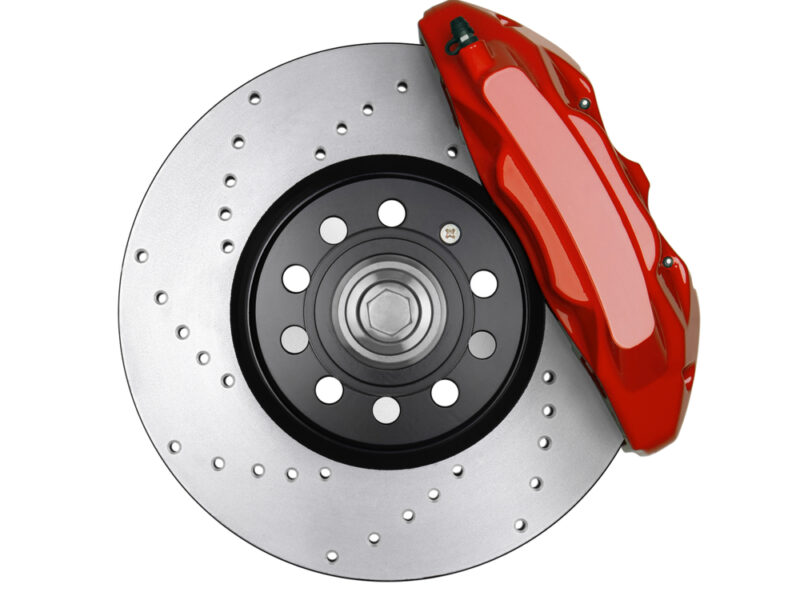
Further modifications, like drilling and slotting, can enhance the performance characteristics of both vented and solid rotors. Drilled rotors feature precise holes that aid in heat dissipation and weight reduction—beneficial in high-performance scenarios where brakes heat up quickly, though they may also have an increased risk of cracking in extreme conditions.
Conversely, slotted rotors include channels and grooves that facilitate heat escape, improve ventilation, and cleanse the pad surface by removing brake dust and gases. These modifications prove advantageous in rigorous applications like heavy towing or spirited track driving, significantly enhancing braking efficiency and consistency.
What Are the Specific Causes and Fixes for a Sticking Brake Caliper?
A sticking brake caliper poses a significant risk to braking performance, leading to uneven wear and serious safety issues. Common causes for this problem include rust or debris accumulation on caliper slide pins, a torn rubber boot around the piston, or aging brake fluid that can lead to internal corrosion.
A seized caliper piston or a stuck parking brake mechanism might also prevent the caliper from fully releasing, resulting in continuous drag on the affected wheel. This can prompt your vehicle to pull to one side while braking or emit peculiar grinding or squealing sounds.
To address a sticking brake caliper, a systematic approach is crucial. This typically entails disassembling, cleaning, and lubricating all involved components. Removing corrosion from caliper slide pins with a wire brush, replacing damaged rubber boots, and using a silicone-based brake lubricant are all vital steps.
In cases of significant corrosion affecting the piston or dust boot, rebuilding or replacing the entire caliper may be necessary. Additionally, flushing and bleeding the brake fluid system every couple of years can help prevent moisture absorption-induced corrosion. Regular inspections, cleaning, and appropriate lubrication are essential preventive strategies to maintain the health of your braking system.
| Feature | Solid Brake Rotors | Vented Brake Rotors | Carbon-Ceramic Rotors (for reference) |
|---|---|---|---|
| Design/Construction | Single, continuous piece of cast iron without internal channels | Two or multi-piece design with internal vanes/fins for airflow | Carbon fiber-reinforced silicon carbide matrix composite |
| Heat Dissipation | Limited; tends to retain heat, leading to faster pad wear and reduced performance under heavy braking | Superior; internal vanes increase surface area for enhanced convective heat transfer, reducing peak temperatures by up to 30% compared to solid rotors | Exceptional; effective beyond 1000°C (1832°F) without fade |
| Weight | Generally lighter due to simpler, one-piece design | Typically heavier due to additional material for internal vanes | Significantly lighter (40-60% less than cast-iron equivalents) |
| Cost (Relative) | More cost-effective and affordable | More expensive due to complex construction and superior cooling properties | Premium price ($3,000-$15,000 per axle) due to labor-intensive production |
| Typical Applications | Everyday passenger cars, light-duty vehicles, rear axles | Performance cars, sports cars, heavy trucks, SUVs, front axles, towing, mountainous terrain | High-performance sports cars, supercars, motorsport (Formula 1) |
Frequently Asked Questions (FAQ)
Are solid and vented rotors interchangeable?
No, solid and vented rotors are not interchangeable. Their distinct sizes, designs, and thermal management requirements mean that vehicles are tailored for specific rotor types to meet their braking and thermal needs; attempting to swap them can compromise safety and performance.
Can modifying rotors (drilling/slotting) improve performance?
Yes, drilling and slotting rotors can significantly enhance performance, especially under demanding conditions. These modifications improve heat dissipation, reduce brake fade, and effectively clear brake dust and gases from the pad surface, contributing to more consistent and reliable braking.
What material are most brake rotors made from?
Most brake rotors are primarily composed of gray cast iron. This alloy provides a balanced approach to cost-effectiveness, durability, and efficient heat absorption, which makes it ideal for standard automotive applications.
What are the symptoms of a brake caliper sticking?
Symptoms of a sticking brake caliper may include your vehicle pulling to one side during braking, strange grinding or squealing noises from the affected wheel (particularly at lower speeds), a burning smell, uneven brake pad wear, as well as noticeable reductions in overall braking power.
How often should brake fluid be changed to prevent caliper issues?
Brake fluid should ideally be replaced every couple of years. This preventive measure helps avoid moisture absorption that can lead to corrosion within the braking system, common causes of sticking caliper pistons and various braking issues.