Cold air intake (CAI) systems are more than just aftermarket additions; they serve as transformative upgrades that can significantly enhance your vehicle’s performance. By directing cooler, denser air straight into the engine, these systems play a crucial role in optimizing horsepower, improving fuel efficiency, and even changing how your engine sounds. If you’re keen to learn how a CAI system can take your driving experience to the next level, you’re in the right place.
What is the fundamental mechanism behind cold air intake performance gains?
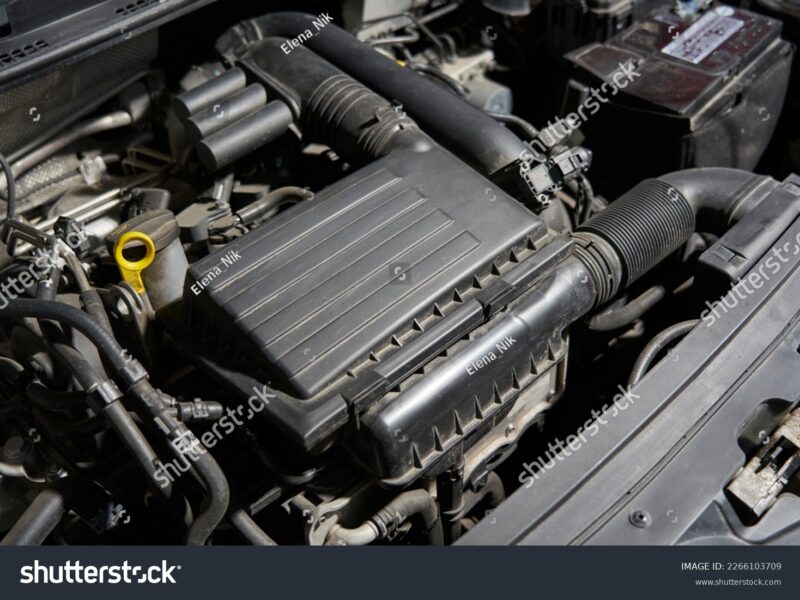
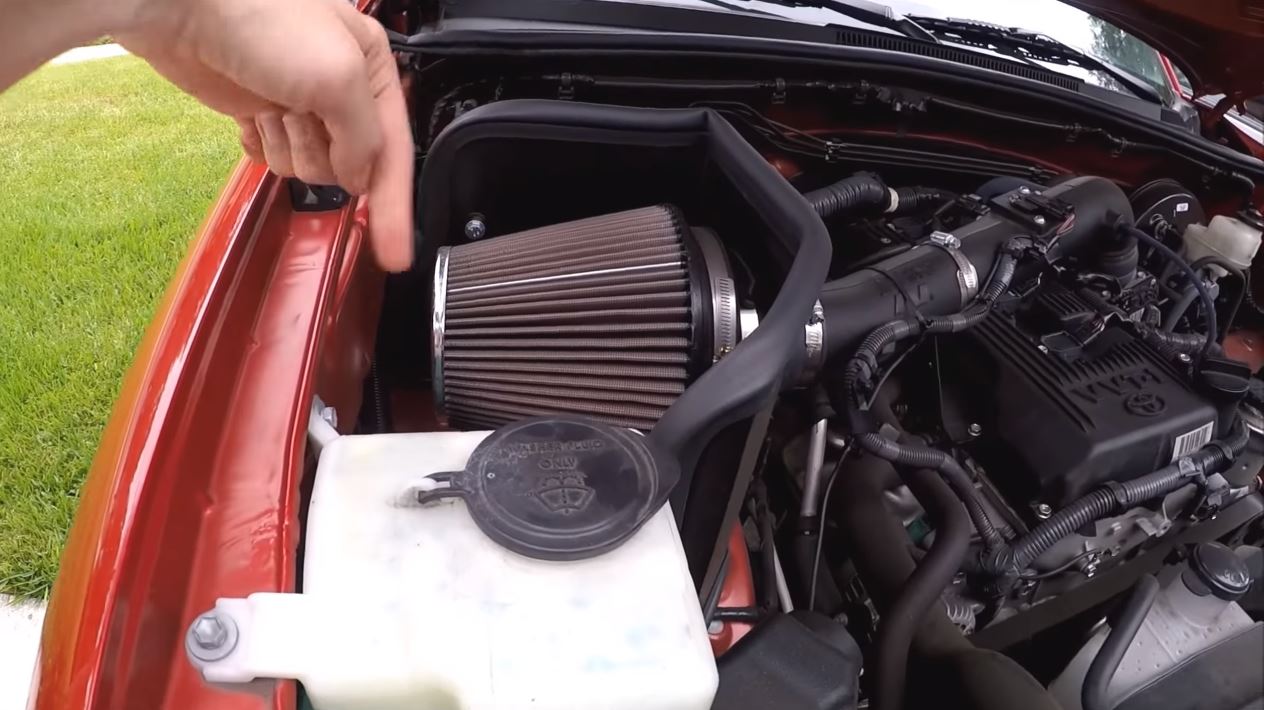
The standout feature of a cold air intake system lies in its ability to deliver cooler and less restricted air to the engine. These intakes typically draw in air from outside the engine bay, often from locations near the front bumper or fender. Cooler air is denser, packed with more oxygen molecules, which promotes a more efficient combustion process. The increased availability of oxygen leads to enhanced power output and improved throttle response. Moreover, CAIs are engineered with larger-diameter intake tubes and high-flow air filters that minimize airflow restrictions, allowing the engine to ‘breathe’ more freely and dramatically boost performance.
How do cold air intakes specifically impact engine horsepower?
Aftermarket cold air intake systems have consistently demonstrated the ability to yield measurable horsepower increases, generally between 5 and 15 horsepower depending on the specific vehicle. Actual gains can vary widely based on factors such as engine type, intake system quality, and any additional performance modifications made.
- K&N’s 63 Series Aircharger High Performance Cold Air Intake Kit delivered approximately 17 horsepower and 26 lb.-ft. of torque on a late model Ford Bronco with a 2.7L EcoBoost V6, representing an 8% improvement over stock.
- In a 2007 Chevy Silverado 1500 with a 6.0-liter engine, the K&N 57-3058 intake achieved an impressive 17.54 horsepower at 4917 RPM.
- Steeda’s Mustang ProFlow Cold Air Intake Kit on a 2.3L EcoBoost engine realized gains of around 27 horsepower and 10 lb.-ft. of torque, culminating in over 304 horsepower when paired with a Steeda performance tune.
- aFe Power’s Magnum Force Stage 2 Pro 5R Air Intake System on a 2015 Chevy Silverado with a 5.3L LT-Series V8 recorded an impressive increase of over 18 horsepower and 23 lb.-ft. of torque.
- K&N’s NextGen Air Intakes average gains of 21 horsepower and 23 lb.-ft. of torque, with specific applications reaching upwards of 41.13 horsepower.
- For a GM 5.3L V8, quality cold air intakes typically yield an increase of 5-18 horsepower, while a 6.2L V8 may see gains around 21 horsepower. Additionally, the 6.7L Power Stroke diesel engine has demonstrated gains of 21 horsepower and 54 lb-ft of torque.
These horsepower enhancements can be attributed to reduced intake restrictions, particularly beneficial for turbocharged engines that require increased airflow prior to the turbocharger.
What is the impact of cold air intake systems on fuel consumption (MPG)?
Cold air intake systems can lead to modest yet notable improvements in fuel efficiency, typically between 1 to 2 MPG under optimal driving conditions. Some users even report increases of 3 to 5 MPG. This enhancement is largely due to a more efficient air-to-fuel ratio, achieved through a consistent supply of cooler air that requires less energy to produce the desired power output.
For example, one user noted a remarkable increase in fuel economy for their Ford F-150, jumping from 15 MPG to approximately 18 MPG after installing a cold air intake. However, it’s essential to recognize that aggressive driving—often prompted by heightened performance and an exhilarating engine sound—can offset these fuel savings. Actual MPG gains can depend on individual driving habits and any additional modifications. To maximize benefits, it’s crucial to ensure proper installation and regular maintenance of the air filter.
How do cold air intakes affect engine sound?
One of the most exhilarating benefits of upgrading to a cold air intake system is the transformation it brings to your engine’s acoustics. Unlike OEM intake systems, which are designed with resonators and baffles to mute noise, aftermarket cold air intakes unleash the engine’s natural sounds by featuring less restrictive designs often utilizing larger-diameter tubing.
Drivers frequently enjoy a richer, more aggressive growl from the engine, particularly during acceleration or at higher RPMs. In turbocharged vehicles, a cold air intake not only enhances the induction noise but also makes the distinct spool of the turbo and the blow-off valve sound more pronounced. While the cold air intake generates a thrilling intake sound, it’s important to remember that the exhaust note remains primarily influenced by the exhaust system itself.
Are there different types of cold air intake systems and what are their characteristics?
Cold air intake systems come in various designs and materials, each contributing unique characteristics that can impact performance, sound, and heat dissipation. Common materials for intake tubes include metals, such as aluminum, and composites like high-density polyethylene plastic.
| Feature | Stock Intake | Metal Cold Air Intake (e.g., K&N 77-Series) | Composite Cold Air Intake (e.g., K&N 57-Series, AEM DRYFLOW) |
|---|---|---|---|
| Air Source | Warmer, inside engine bay | Cooler, outside engine bay (e.g., fender well, front bumper) | Cooler, outside engine bay (e.g., fender well, front bumper) |
| Airflow Restriction | Moderate, restrictive with baffles for noise reduction | Lower restriction, larger diameter tubes | Lowest restriction, precisely engineered contours, larger diameter tubes |
| Heat Retention | Moderate (engine bay air) | Higher heat retention (metal can transfer heat to intake air) | Lower heat retention (plastic composites reject heat better) |
| Typical Horsepower Gain | Minimal | 5-15 HP (e.g., K&N 77-2556KP: 9.53 HP for Ford F-150 5.4L) | 5-15 HP (e.g., K&N 57-2556: 15.47 HP for Ford F-150 5.4L) |
| Engine Sound | Quiet, muffled operation | Deeper, more aggressive induction growl (aluminum can amplify sound) | Deeper, more aggressive induction growl |
| Filter Type (Common) | Paper, replaced every 15,000 miles | Oiled cotton gauze, reusable (cleaned every 50,000-100,000 miles) | Oiled cotton gauze or dry synthetic weave, reusable (cleaned every 50,000-100,000 miles) |
| Installation Complexity | OEM component replacement (simple) | Typically 60-90 minutes with basic hand tools | Typically 60-90 minutes with basic hand tools |
Composite materials, especially high-density polyethylene plastic, provide significant advantages over metal. They maintain lower temperatures and are specifically designed to reduce air turbulence, thereby improving power delivery.
How do cold air intakes compare to the existing site content on engine performance?
While discussions such as “Diagnosing and Repairing Exhaust Manifold Cracks: A DIY Guide” focus on maintaining engine efficiency by preventing hazardous exhaust gas leaks, which adversely affect fuel efficiency, cold air intake systems aim to boost a fundamental aspect of airflow into the engine. Efficient combustion hinges on achieving an optimal air-to-fuel ratio, a crucial principle underlying both topics. Just as a sticking brake caliper can impede safety and performance (Diagnosing a Sticking Brake Caliper: Symptoms, Causes, and Fixes), a restricted stock intake system limits optimal airflow, consequently impairing engine performance. Understanding these mechanical interactions emphasizes the need for a holistic approach to vehicle maintenance and performance enhancements, whether the power source is an internal combustion engine or electric motors, as detailed in Electric Car Motor Types Explained: AC Induction vs. Permanent Magnet.