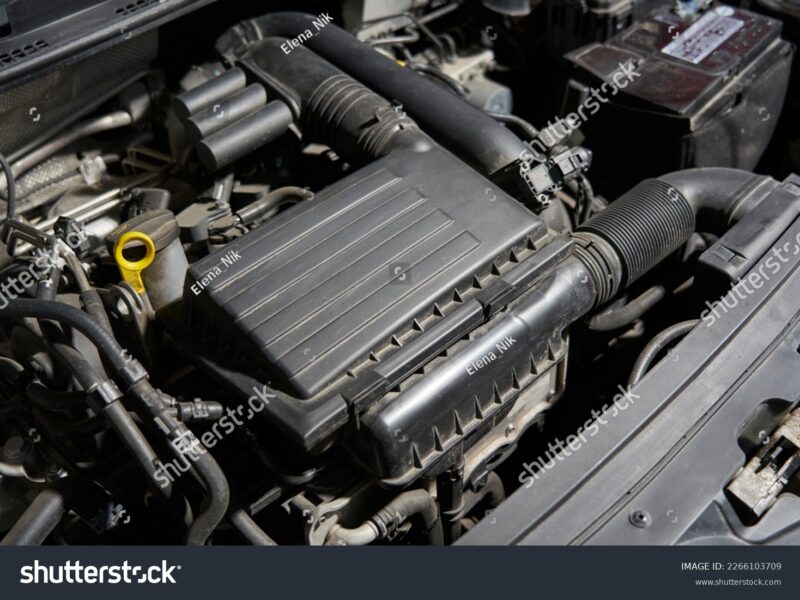
Maintaining optimal vehicle performance and ensuring a healthy cabin environment hinges significantly on the regular replacement of your car’s air filters. Both engine and cabin air filters serve critical functions, and understanding their appropriate replacement intervals is essential for any car owner. While general guidelines exist, specific driving conditions and manufacturer recommendations can greatly influence the ideal frequency for these crucial maintenance tasks.
Typically, vehicle manufacturers recommend replacing your engine air filter every 15,000 to 30,000 miles (24,000 to 48,000 kilometers) or annually, whichever comes first, depending on various factors such as your specific driving environment and habits. This proactive approach helps to prevent a decrease in engine performance and can significantly impact fuel efficiency and overall vehicle longevity.
Neglecting these filters can lead to a range of issues, from reduced horsepower and decreased fuel economy to compromised interior air quality. By adhering to a consistent replacement schedule, you safeguard your engine, improve passenger comfort, and potentially avoid more significant repair costs down the line.
Engine Air Filter Replacement Frequency: Keeping Your Engine Breathing Easy
The engine air filter is a vital component designed to protect your engine from harmful contaminants. It prevents dust, dirt, pollen, and other airborne debris from entering the engine’s combustion chamber, which could otherwise cause abrasive wear and reduce engine lifespan. A clean filter ensures a consistent supply of clean air, which is crucial for efficient fuel combustion and optimal engine power output.
Most vehicle manufacturers advise replacing the engine air filter every 15,000 to 30,000 miles or every 12 to 24 months, depending on your driving habits and environmental factors. For example, if you frequently drive on unpaved roads, in dusty conditions, or in areas with high pollen counts, you may need to check and replace your filter more often than the standard recommendation. Consulting your vehicle’s owner’s manual provides the most accurate and specific guidelines tailored to your make and model.
Regular inspection of your engine air filter is a simple yet effective way to monitor its condition. During routine oil changes, technicians often examine the air filter, but you can also perform a visual check yourself. A filter that appears dark, clogged with debris, or has visible tears should be replaced immediately to maintain proper airflow and engine protection. For a deeper dive into this topic, explore our comprehensive guide on How Often to Change Your Engine Air Filter: Mileage & Signs.
Cabin Air Filter Replacement Frequency: Ensuring Fresh Air Inside
While the engine air filter protects your vehicle’s mechanical heart, the cabin air filter is dedicated to safeguarding your health and comfort. This filter cleans the air entering your car’s heating, ventilation, and air conditioning (HVAC) system, preventing dust, pollen, soot, and other allergens from circulating within the passenger compartment.
Automotive experts generally recommend changing your cabin air filter approximately every 15,000 to 30,000 miles, or at least once a year. However, some experts suggest replacing it even more frequently, such as every 12,000 to 15,000 miles, especially for drivers in urban areas with heavy traffic, regions with high pollution, or environments prone to excessive dust or pollen. Driving on dirt roads, smoking in the vehicle, or transporting animals can also necessitate more frequent changes.
Neglecting the cabin air filter can lead to reduced airflow from your vents, persistent musty or unpleasant odors inside the cabin, increased dust accumulation on interior surfaces, and even worsened allergies for occupants. It can also strain your vehicle’s HVAC system, potentially leading to decreased AC performance and unexpected repair costs. A good practice is to inspect your cabin filter at least once a year, often coinciding with an oil change, to ensure optimal air quality and system efficiency.
Factors Influencing Air Filter Lifespan
The lifespan of both engine and cabin air filters is not static; it is significantly influenced by a variety of environmental and driving conditions. While manufacturers provide baseline recommendations, these are general guidelines that may need adjustment based on real-world usage. Understanding these factors allows for a more personalized and effective maintenance schedule.
One primary factor is the driving environment. Vehicles regularly operated on dusty gravel roads, in construction zones, or in areas with high levels of airborne pollutants (such as industrial areas or cities with heavy smog) will experience accelerated filter clogging. These conditions introduce a higher concentration of particulate matter, requiring the filters to work harder and become saturated more quickly than a vehicle driven primarily on clean, paved highways.
Another crucial consideration is the climate. Regions experiencing extreme weather, such as very dry, dusty summers or prolonged pollen seasons, will put greater stress on both types of filters. Similarly, frequent stop-and-go driving in congested traffic, where the engine is constantly drawing in air at lower speeds, can accumulate more contaminants than consistent highway driving. Regular vehicle usage and even the specific type of filter installed can also play a role, as different materials and designs offer varying levels of filtration efficiency and longevity. For an overview of filter types, consider reviewing Understanding Different Types of Car Air Filters: Which One is Right for Your Vehicle?.
Symptoms of a Clogged Air Filter
Recognizing the signs of a dirty or clogged air filter is crucial for timely replacement and maintaining your vehicle’s health and your comfort. While specific mileage and time intervals provide a good starting point, visual and performance indicators are often the most reliable signals that a filter needs attention. Ignoring these symptoms can lead to various issues, from decreased performance to potential long-term damage.
For engine air filters, a noticeable decrease in engine performance is a primary indicator. When the filter is dirty, the engine struggles to draw in sufficient air, resulting in a reduction in horsepower and acceleration. You might also experience reduced fuel efficiency, as the engine attempts to compensate for the restricted airflow by burning more fuel. Additionally, a dirty engine air filter can lead to rough idling, misfires, or even the illumination of your check engine light. These symptoms are detailed further in our article, Is Your Engine Choking? 5 Symptoms of a Dirty Car Air Filter.
Symptoms of a clogged cabin air filter typically manifest in the interior environment and HVAC system. These include reduced airflow from the climate control vents, even when the fan is set to a high speed, and a musty or stale odor emanating from the vents. You might also observe an increased accumulation of dust on your car’s dashboard and interior surfaces, despite regular cleaning. In some cases, windows may fog up more easily or take longer to clear due to impaired ventilation, affecting visibility and safety.
A visual inspection can often confirm suspicions. Both engine and cabin air filters, when new, typically appear white or light in color. Over time, a dirty filter will become dark, gray, or brown, and may be visibly packed with leaves, insects, dust, and other debris. If you observe significant discoloration or accumulation of particulate matter, it’s a clear sign that replacement is overdue.
Comparing Engine and Cabin Air Filter Replacement Intervals
While both engine and cabin air filters are critical for vehicle maintenance, their functions and typical replacement frequencies differ. Understanding these distinctions helps car owners prioritize and plan their maintenance schedule effectively. Both filters protect different aspects of the vehicle, but both are essential for overall performance and health.
The engine air filter directly impacts the vehicle’s operational performance, fuel efficiency, and the longevity of the engine itself by ensuring clean air for combustion. Its replacement is primarily driven by mileage, with a general range of 15,000 to 30,000 miles or annually, often coinciding with other major service intervals. Driving conditions heavily dictate the earlier end of this spectrum.
The cabin air filter, on the other hand, focuses on occupant comfort and health, filtering the air breathed inside the vehicle. Its replacement is also mileage-dependent, typically recommended every 15,000 to 30,000 miles, but often advised yearly due to the accumulation of allergens and pollutants that can impact air quality even without extensive mileage. The subjective experience of odors or reduced airflow can often trigger its replacement before the mileage interval is reached.
Here’s a comparative overview of typical replacement guidelines:
| Filter Type | Primary Function | Recommended Replacement Interval (General) | Key Symptoms of Clogging |
|---|---|---|---|
| Engine Air Filter | Protects engine from debris; ensures optimal combustion | 15,000 – 30,000 miles or 12 – 24 months | Decreased engine performance, reduced fuel economy, rough idling, check engine light |
| Cabin Air Filter | Filters air entering passenger cabin; improves interior air quality | 15,000 – 30,000 miles or 12 months (often yearly for optimal air quality) | Reduced HVAC airflow, musty odors, increased interior dust, foggy windows |
How Can I Check My Car’s Air Filter?
Performing a visual inspection of your car’s air filters is a straightforward process that most car owners can do themselves. This simple check can provide valuable insight into their condition and help you determine if a replacement is necessary, even if it’s before the recommended mileage or time interval. Regular inspections are particularly beneficial if you drive in demanding conditions.
For the engine air filter, locate the air filter housing, usually a large black plastic box connected to the engine by a large hose. Most housings are secured with clips, screws, or latches that can be easily undone without special tools. Once opened, carefully remove the filter element. A new filter typically appears white or off-white. If your filter is dark gray, black, or heavily soiled with leaves, insects, or dirt, it’s time for a replacement.
Checking the cabin air filter often requires a bit more navigation, as its location varies by vehicle model. Common locations include behind the glove compartment, under the hood near the windshield wipers, or beneath the dashboard. In many cases, accessing it involves removing a few clips or fasteners to drop the glove box or remove a cover. Once located, visually inspect the filter for discoloration, debris, and any signs of mold or mildew. If it’s dirty, replace it with a new, high-quality filter, ensuring it is installed in the correct airflow direction as indicated by arrows on the filter or housing.
FAQs About Car Air Filter Replacement
How often should a car air filter be replaced under normal driving conditions?
Under normal driving conditions, most vehicle manufacturers recommend replacing your engine air filter every 15,000 to 30,000 miles or every 12 to 24 months, whichever comes first. For cabin air filters, the general recommendation is similar, typically every 15,000 to 30,000 miles, but many experts advise replacing them annually, or even every 12,000-15,000 miles, to maintain optimal interior air quality, especially in urban or dusty environments.
What are the immediate benefits of changing a dirty car air filter?
Changing a dirty car air filter provides immediate benefits, including improved engine performance, increased fuel efficiency, and better acceleration. For cabin air filters, immediate benefits include significantly improved interior air quality, reduction of unpleasant odors, and enhanced airflow from the HVAC system, making the cabin more comfortable and reducing strain on your AC system.
Can a dirty air filter affect my car’s fuel economy?
Yes, a dirty engine air filter can absolutely affect your car’s fuel economy. When an engine air filter is clogged with dirt and debris, it restricts the airflow to the engine. This forces the engine to work harder to draw in the necessary air for combustion, leading to an imbalance in the air-fuel mixture and a noticeable reduction in fuel efficiency. Replacing a clogged filter ensures the engine receives adequate clean air, optimizing combustion and restoring fuel economy.