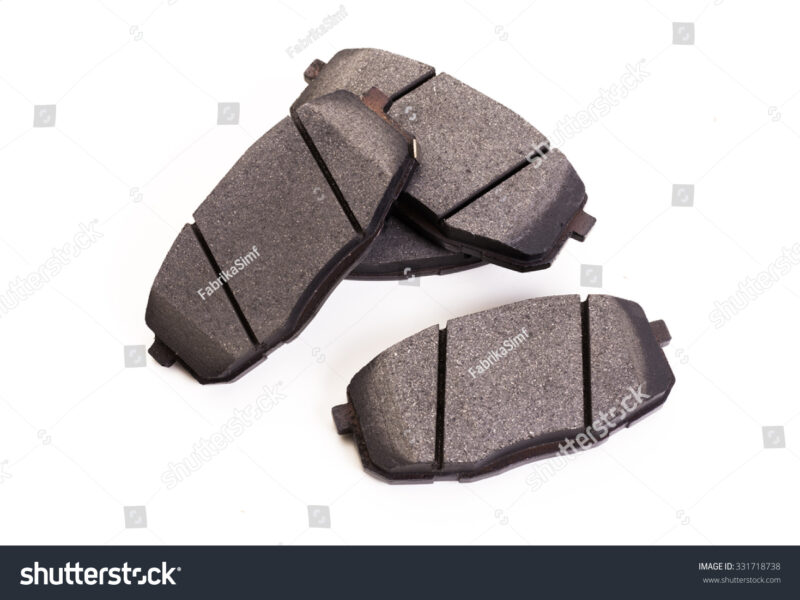
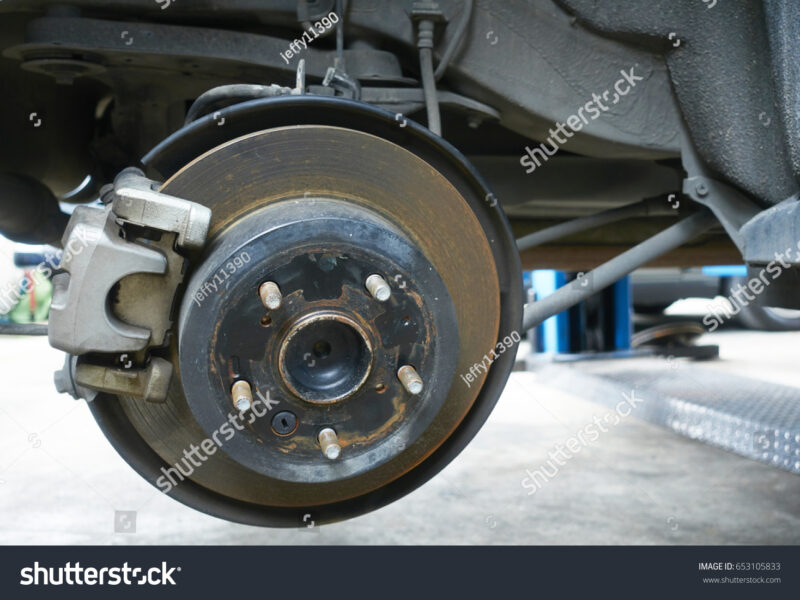
The longevity of brake pads in the Tesla Model 3 is notably superior compared to those found in traditional gasoline-powered vehicles. This distinction largely stems from Tesla’s advanced engineering and the pivotal role of regenerative braking technology. By harnessing this innovative design, the Model 3 enhances not only performance but also mitigates wear on its brake components.
What Influences the Longevity of Tesla Model 3 Brake Pads?
Critical to the longevity of Tesla Model 3 brake pads is the incorporation of regenerative braking technology. This system significantly deviates from conventional braking methods, allowing the Model 3 to recover energy during braking. Essentially, as the vehicle decelerates, kinetic energy is transformed back into stored electrical energy, thereby minimizing reliance on traditional friction-based braking. Consequently, Tesla Model 3 brake pads frequently benefit from extended lifespans typically ranging from 50,000 to 100,000 miles. In contrast, standard gasoline vehicles see brake pad longevity of approximately 30,000 to 70,000 miles under similar driving conditions.
Moreover, the advanced materials utilized in the production of Tesla’s brake pads are specifically engineered to endure prolonged braking activities. These composites not only enhance the frictional attributes when engaged but also demonstrate remarkable resilience to heat and wear. The synergy between regenerative braking and these cutting-edge materials results in a braking system that requires less frequent replacements, ultimately translating into lower maintenance costs for Tesla owners.
Furthermore, the Model 3’s brake pad design emphasizes efficiency to optimize performance. Key design features include specialized rotor materials and intricate engineering that work in harmony to enhance braking response and minimize friction. The overall result is a braking system that delivers exceptional performance with diminished wear and tear, making it a compelling choice for drivers keen on maximizing efficiency and safety.
How Does Regenerative Braking Impact Brake Pad Longevity?
Regenerative braking fundamentally alters the dynamics of braking in the Tesla Model 3, influencing how often and how intensely the brake pads are used. In typical driving scenarios, regenerative braking can account for as much as 90% of the total braking force, which vastly diminishes the reliance on traditional friction brakes. This reduced dependency means that brake pads in the Model 3 experience considerably less wear compared to those in gasoline-powered cars that rely solely on mechanical friction systems.
The benefits of regenerative braking also resonate in terms of thermal efficiency. With less engagement of the brake pads, there is significantly less heat buildup, which is a common adversary in conventional braking systems. Elevated temperatures can often lead to accelerated wear on brake components, and the Tesla Model 3’s design effectively combats this issue, further extending brake pad longevity.
Driving style holds substantial importance in determining brake pad longevity as well. Drivers who adopt smooth and gradual braking techniques fully leverage the regenerative braking system, enhancing the lifespan of their brake pads. Conversely, aggressive driving styles characterized by rapid deceleration and hard stopping can lead to diminished brake pad life, even within the sophisticated braking framework of the Model 3.
What Are the Real-World Experiences with Tesla Model 3 Brake Pad Longevity?
Real-world anecdotes from Tesla Model 3 owners consistently highlight impressive brake pad longevity. Many drivers report achieving upwards of 100,000 miles on their original brake pads, particularly in urban environments where regenerative braking is frequently applied. Such experiences underscore the extensive benefits of Tesla’s advanced braking system and its real-world implications for maintenance and performance.
However, driving patterns significantly influence outcomes. Owners who primarily engage in highway driving tend to experience reduced regenerative benefits due to less frequent braking. As a result, they may find it necessary to replace brake pads sooner, typically within the 50,000 to 70,000 miles range. This indicates that the driving environment, much like individual driving habits, is a pivotal factor affecting brake pad longevity.
From a financial perspective, the overall costs related to brake pad replacements tend to be lower for Tesla Model 3 drivers when juxtaposed with traditional vehicles. Drivers regularly express satisfaction regarding reduced maintenance frequency and costs, especially when taking into account the extended lifespan of the brake pads and the holistic efficiency of the braking system. The emphasis on safety derived from diligently maintained braking systems also enhances the practicality of adopting the Tesla Model 3 for modern driving requirements.
Can You Optimize the Longevity of Your Tesla Model 3 Brake Pads?
Indeed, there are proactive measures Tesla Model 3 owners can undertake to maximize brake pad longevity. One of the most effective strategies is to practice a smooth and cautious driving style that effectively harnesses regenerative braking capabilities. By employing techniques such as coasting to gradual stops rather than abrupt braking, drivers can significantly reduce brake pad wear.
Additionally, routine maintenance checks are imperative. Although the brake pads are expected to outlast those in traditional vehicles, negligence or improper usage can expedite wear. Tesla provides detailed diagnostic reports that offer insights into the condition of the braking system, allowing owners to be vigilant about any signs of wear, such as grinding noises or diminished responsiveness. Engaging in discussions within Tesla communities can also yield valuable tips and shared experiences, helping owners maintain optimal brake performance.
| Vehicle Type | Average Brake Pad Lifespan | Braking Technology |
|---|---|---|
| Tesla Model 3 | 50,000 – 100,000 miles | Regenerative Braking |
| Traditional Gas Vehicle | 30,000 – 70,000 miles | Friction-Based Braking |
| Hybrid Vehicles | 40,000 – 80,000 miles | Hybrid Regenerative + Friction |
| Performance Gas Vehicle | 25,000 – 60,000 miles | High-Performance Friction Braking |
FAQs About Tesla Model 3 Brake Pad Longevity
What Makes Tesla Model 3 Brake Pads Last Longer?
The enhanced lifespan of Tesla Model 3 brake pads can be attributed to a combination of cutting-edge materials and the innovative regenerative braking system that significantly lessens wear. By converting kinetic energy back into electrical energy, the system reduces dependence on friction-based braking methods, which experience more significant stress and wear. Owners can generally anticipate brake pad lifespans of between 50,000 to 100,000 miles, compared to the 30,000 to 70,000 miles typical of traditional vehicles.
Additionally, Tesla maintains an open line of communication with its drivers regarding brake performance, allowing the company to continually improve materials and design specifications. This continuous refinement, driven by real-world feedback, ensures that the braking systems consistently offer maximum durability and dependability over time.
How Often Should I Check My Tesla Model 3 Brake Pads?
Despite the superior design and engineering of Tesla brakes, regular inspection remains vital. Owners are advised to conduct brake checks at least every 12,000 miles or during yearly service visits. This proactive approach aligns with standard maintenance protocols and ensures that braking performance remains at its peak.
Furthermore, attentive owners should watch for any indicators of wear, such as unusual sounds or a decrease in stopping power, which could signal a more imminent need for replacement. Early detection and resolution can lead to safer driving conditions and may also prevent expensive repair needs in the future. Engaging with Tesla maintenance schedules will help maintain optimal brake function throughout the vehicle’s lifespan.
Are There Any Special Considerations for Maintaining Tesla Model 3 Brake Pads?
Yes, there are particular aspects to consider when it comes to maintaining the brake pads in the Tesla Model 3. Understanding the effect of driving habits on brake wear is crucial. Aggressive driving styles that involve frequent hard braking can lead to decreased brake pad longevity, even in a vehicle designed for durability like the Model 3. Adopting a smoother driving style is highly beneficial for overall brake health.
Additionally, utilizing Tesla’s monitoring features can provide insights into battery and brake performance. These features can evaluate vehicle health in conjunction with maintenance practices, helping owners stay informed. Remaining proactive about monitoring and maintenance helps ensure that the brake system remains in optimal condition for the duration of its expected lifespan.
What Should I Do if I Experience Brake Issues?
If you encounter issues with your Tesla Model 3 braking system—such as abnormal noises or diminished braking capacity—addressing them promptly is imperative. Start by reviewing the vehicle’s monitoring alerts, which are designed to flag potential areas of concern. If any issues are indicated, it’s prudent to consult Tesla service professionals, who possess the specialized tools and expertise needed to diagnose and repair the Model 3 braking system effectively.
Participating in online forums and engaging with the Tesla community can also provide insights, shared experiences, and practical advice concerning braking issues. Balancing professional guidance with community feedback ensures a well-rounded approach to maintaining the safety and performance of the braking system.