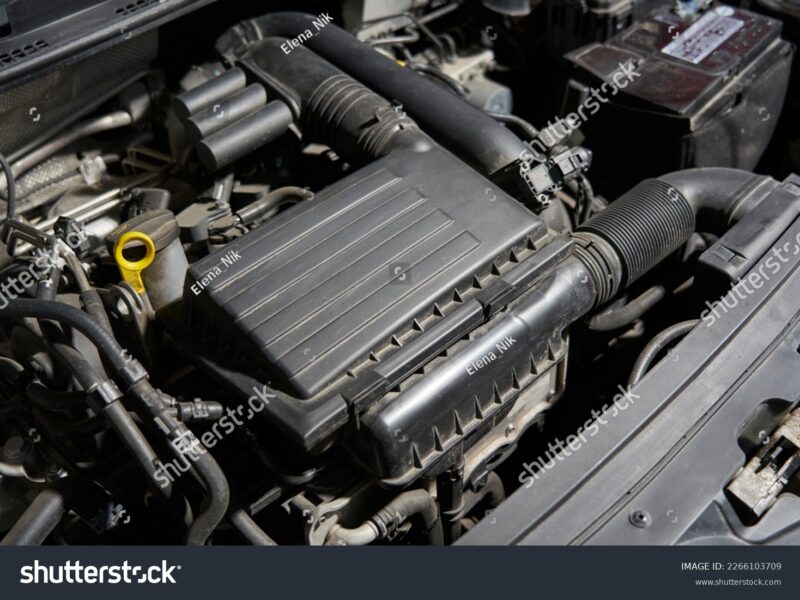
The optimal interval for changing your car’s air filter generally falls between 12,000 to 15,000 miles or once a year, whichever comes first, though specific recommendations can vary significantly based on your vehicle’s make and model, as well as your driving conditions.
Standard Car Air Filter Replacement Intervals: What Manufacturers Recommend
While the 12,000 to 15,000 miles or annual replacement is a widely accepted guideline, it’s crucial to consult your vehicle’s owner’s manual for the precise recommendations from the manufacturer. These intervals are designed to ensure your engine receives clean, unrestricted airflow, which is fundamental for efficient combustion and overall engine health. Adhering to these manufacturer-specified guidelines is the most reliable way to maintain your vehicle’s longevity and performance.
Many automotive experts and service centers suggest a broader range of 15,000 to 30,000 miles for engine air filter replacement under normal driving conditions. This flexibility accounts for variations in filter types and engine designs, but consistently, the emphasis is on regular inspection and timely replacement to prevent the adverse effects of a clogged filter. For instance, studies indicate that a clean air filter can boost fuel efficiency by approximately 10% in older vehicle models, such as the Honda Accord (2003), underscoring the practical benefits of routine maintenance.
Neglecting this simple maintenance task can lead to a cascade of problems, including reduced engine performance, diminished fuel economy, and increased emissions. A dirty engine air filter restricts the critical air intake, forcing the engine to work harder and potentially leading to an imbalanced air-fuel mixture. This imbalance can cause your vehicle to consume more fuel than necessary, directly impacting your wallet at the pump and contributing to unnecessary wear on engine components.
Critical Factors Influencing Your Replacement Schedule
The “how often” question isn’t solely about mileage or time; it’s also heavily influenced by your driving environment and habits. Vehicles frequently operated in dusty, gravelly, or highly polluted areas, such as urban centers with heavy traffic or rural unpaved roads, will accumulate contaminants much faster than those driven primarily in clean, suburban settings. These harsh conditions demand more frequent inspections and potentially earlier replacement of both the engine air filter and the cabin air filter.
Beyond environmental factors, the type of air filter installed can also play a role. While most vehicles come equipped with disposable paper filters, which are typically replaced at standard intervals, some aftermarket performance filters utilize different materials like oiled cotton. These may offer longer service lives or be washable and reusable, altering the maintenance schedule. However, even these require regular cleaning and re-oiling to maintain their effectiveness and ensure optimal engine protection.
Vehicle age and model specifics also contribute to the variability. Older vehicles, or those with higher mileage, may be more susceptible to the effects of a clogged filter, making proactive replacement even more critical. Consulting your owner’s manual for specific instructions for your Ford F-150 or Honda Accord (2003), for example, will provide the most accurate guidance tailored to your specific automotive engineering.
The Tangible Benefits of a Pristine Engine Air Filter
Replacing a dirty engine air filter is a straightforward yet profoundly impactful maintenance step that directly enhances your vehicle’s efficiency and longevity. A clean engine air filter ensures an optimal air-fuel ratio within the combustion chamber, which is vital for complete and efficient combustion. This efficiency translates into tangible benefits, most notably improved fuel economy. For instance, replacing a clogged filter with a clean one in an older vehicle model, like the Honda Accord (2003), can yield an approximate 10% increase in fuel efficiency. This highlights the significant economic advantage of routine filter changes.
Furthermore, a clean air filter is instrumental in maximizing horsepower and overall engine responsiveness. When an engine receives an unrestricted flow of clean air, it can “breathe” better, leading to stronger performance across the board. For robust vehicles like the Ford F-150, upgrading to a performance engine air filter can contribute an additional 2-5 horsepower, while more comprehensive cold air intake systems can further boost horsepower by 5-20 HP or even more, depending on the specific product and engine configuration. This direct impact on power output is a compelling reason for enthusiasts and daily drivers alike to prioritize air filter health.
Beyond performance, the engine air filter acts as the primary defense against abrasive particles such as dust, dirt, and debris from entering critical internal engine components like pistons and cylinders. Contaminants that bypass a compromised filter can cause premature wear and tear, leading to costly damage and significantly shortening the engine’s lifespan. By safeguarding these vital parts, a clean engine air filter promotes consistent reliability and long-term engine health, preventing potential engine failure from excessive particle ingress.
Do Not Overlook Your Cabin Air Filter
While the engine air filter protects your vehicle’s powerplant, the cabin air filter serves an equally important role by safeguarding the air quality within the passenger compartment. This filter traps pollen, dust, pollutants, and other airborne particles before they enter the interior through the ventilation system, ensuring a healthier and more comfortable environment for occupants. A clogged cabin air filter can significantly reduce airflow from the vents, diminish the effectiveness of your HVAC system, and even introduce unpleasant odors into the cabin.
The recommended replacement interval for a cabin air filter is typically every 10,000 to 20,000 miles or at least once a year. However, similar to engine air filters, these intervals can be shortened based on specific driving conditions. If you frequently travel on dusty rural roads, live in an area with high seasonal pollen counts, or have occupants with allergies, more frequent replacement may be necessary to maintain optimal indoor air quality and prevent allergy flare-ups.
Regular inspection of your cabin air filter is a simple task often performed during routine vehicle service. If you notice reduced airflow, increased fan noise, or persistent stale odors from your vents, it’s a clear indicator that your cabin air filter likely needs immediate attention. Replacing it ensures that your vehicle’s interior remains a clean and pleasant space, free from external contaminants and allergens.
Comparative Air Filter Replacement Guidelines
Understanding the nuances between engine and cabin air filter maintenance is key to comprehensive vehicle care. The following table provides a clear comparison of typical replacement intervals and contributing factors:
| Filter Type | Standard Replacement Interval | Consider Shortening Interval If… | Primary Benefit | Estimated Cost (Filter Only) |
|---|---|---|---|---|
| Engine Air Filter | 12,000 – 15,000 miles or 1 year | Frequent dusty road driving, heavy traffic, extreme temperatures | Improved fuel economy (~10% for Honda Accord 2003), enhanced engine performance (e.g., 2-5 HP for Ford F-150), engine protection | $10 – $25 (standard) |
| Cabin Air Filter | 10,000 – 20,000 miles or 1 year | High pollen count areas, urban driving, pet owners, dusty environments | Improved interior air quality, reduced allergens, optimal HVAC function | $15 – $35 |
This comparative overview highlights that while both filters are crucial, their roles and typical maintenance needs differ, reinforcing the importance of addressing each component individually. For more detailed information on filter types and their functionalities, consult our guide on Understanding Car Air Filters: Types, Functions, and When to Replace.
FAQs
What are the immediate signs that my car’s air filter needs changing?
Several indicators suggest your car’s air filter is clogged and requires replacement. You might notice a decrease in fuel efficiency, as the engine struggles to pull in sufficient air, leading to a richer fuel-air mixture. Reduced engine performance, such as sluggish acceleration or a general lack of power, especially when driving uphill or carrying heavy loads, is another common symptom. Additionally, an illuminated Check Engine Light can sometimes signal an airflow issue, and in severe cases, you might observe unusual engine sounds during acceleration or even black smoke from the exhaust. For cabin air filters, weakened airflow from your vents or persistent musty odors within the cabin are clear signs.
Can I check my car’s air filter myself, and if so, how?
Yes, checking your car’s engine air filter is a straightforward process that most car owners can perform. The engine air filter is typically located in a rectangular or cylindrical plastic housing within the engine bay, usually connected to the air intake system. To inspect it, simply unclip or unscrew the housing lid, remove the old filter, and visually examine it. If the filter appears dark gray or black, is visibly dirty, or if you cannot see light through the pleats when holding it up, it’s time for a replacement. For cabin air filters, they are often located behind the glove compartment or under the hood, and their inspection process is similarly simple.
Does changing my air filter significantly impact vehicle emissions?
Absolutely. A clean engine air filter plays a critical role in maintaining the correct air-fuel balance essential for complete combustion within your engine. When an air filter becomes clogged, it restricts airflow, leading to an overly rich fuel mixture where there’s too much fuel for the available air. This incomplete combustion results in increased harmful emissions, including hydrocarbons, carbon monoxide, and nitrogen oxides, which are detrimental to the environment. By replacing a dirty air filter, you help restore the engine’s proper air-fuel ratio, leading to cleaner operation and a reduction in your vehicle’s environmental impact.