Selecting the right brake fluid for your vintage or classic car transcends mere best practices; it is a vital commitment to preserving the safety and efficiency of its hydraulic braking system. Mismatching brake fluid can lead to critical failures, including seal degradation and leaks that could compromise your ride’s integrity. This guide serves as your trusted companion in deciphering brake fluid compatibility, empowering you to make informed decisions for your beloved classic.
As we navigate the intricate landscape of brake fluids, especially for legendary models like the 1965 Ford Mustang and the C2 Corvette, understanding the subtle differences among fluid types becomes imperative. Join us as we delve into the chemistry that governs these fluids, ensuring that your vintage vehicle delivers both safety and performance.
What are the Primary Types of Brake Fluid and Their Chemical Bases?
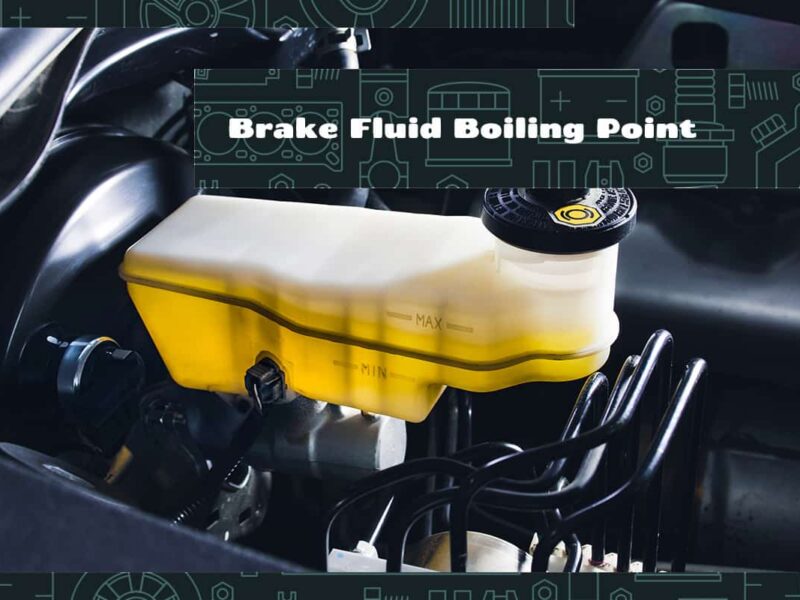
Brake fluids fall under four primary categories defined by the U.S. Department of Transportation (DOT): DOT 3, DOT 4, DOT 5, and DOT 5.1. Each type features distinct chemical compositions and performance characteristics. Glycol-ether-based fluids—specifically DOT 3, DOT 4, and DOT 5.1—are hygroscopic, meaning they absorb moisture over time. This characteristic lowers the fluid’s boiling point, escalating the risk of internal corrosion that can compromise safety.
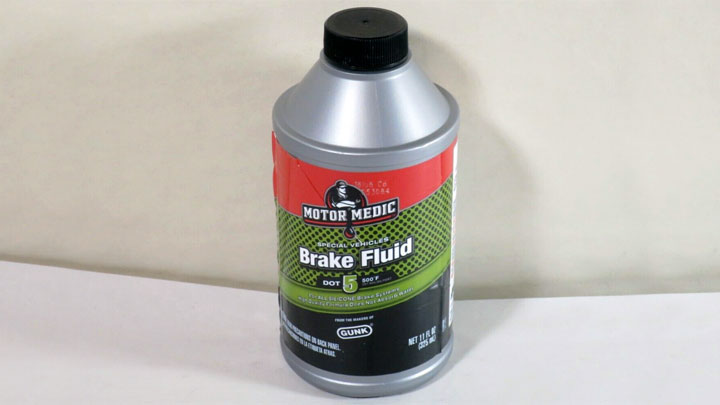
In contrast, DOT 5 brake fluid is silicone-based and hydrophobic, making it repel water. While this trait mitigates moisture accumulation, any water that infiltrates a DOT 5 system can create isolated pockets. These pockets are susceptible to boiling or freezing, risking brake performance and safety. Additionally, industry standards—like SAE J1703 for glycol-based fluids and SAE J1704 for borate ester-based fluids in DOT 4—set benchmarks for performance.
How Does Brake Fluid Compatibility Impact Vintage Vehicle Seals and Components?
Compatibility is crucial for maintaining the integrity of elastomeric seals and components in vintage and classic cars. Many such vehicles utilize seals crafted from materials like natural rubber, styrene-butadiene rubber (SBR), or ethylene propylene diene monomer (EPDM) in their brake fluid reservoirs, master cylinders, and wheel cylinders. Glycol-based DOT 3 and DOT 4 fluids typically harmonize well with SBR and EPDM seals, resulting in a slight, controlled swell that aids in effective sealing.
However, DOT 5 silicone fluid poses compatibility challenges, as it does not induce the same swelling in seals. This lack of reaction increases the risk of leaks and operational issues. While some modern seals claim compatibility with both types, vintage seals—particularly those made from natural rubber—may swell excessively, leading to complications. A notable case involved a TC master cylinder seal that expanded upon contact with silicone fluid, resulting in binding brakes—a concern no classic car owner can afford to overlook.
What are the Specific Properties of Brake Fluids Relevant to Older Vehicles?
Understanding brake fluid properties is paramount for vintage vehicles:
- Hygroscopicity: Glycol-based fluids like DOT 3, DOT 4, and DOT 5.1 absorb moisture, lowering their wet boiling point. This leads to vapor lock, where the fluid transforms into a compressible gas, resulting in a dangerously soft or “spongy” brake pedal and impaired braking efficacy. Regular fluid changes, ideally every two years for DOT 4 and every three years for DOT 5.1, are essential to mitigate these risks.
- Non-Hygroscopicity (DOT 5): DOT 5 silicone fluid deters water, preventing moisture-induced degradation. Issues arise when water infiltrates the system, potentially boiling and creating pressure problems that could make the brake pedal feel spongy. The compressibility of DOT 5 compared to glycol fluids can amplify this concern even in a dry system.
- Boiling Points: The dry boiling point measures the fluid’s capability before moisture absorption, while the wet boiling point reflects the boiling point with about 3.7% water. For instance, DOT 3 fluids have a minimum dry boiling point of 401°F (205°C) and a wet boiling point of 284°F (140°C). High-performance DOT 3 fluids can reach boiling points up to 500°F (260°C), while certain DOT 4 fluids can achieve dry boiling points as high as 594°F (312°C).
- Paint Compatibility: Glycol-based fluids (DOT 3, DOT 4, DOT 5.1) can damage paint, making prompt cleanup crucial. In contrast, DOT 5 silicone fluid is non-corrosive, ensuring safety for painted surfaces.
- Vacuum Booster Interaction: Vehicles equipped with vacuum brake boosters should typically avoid DOT 5 silicone fluid. If silicone leaks into the engine, it can combust, producing silica that can inflict severe internal wear. In these situations, glycol DOT 3 fluid serves as a safer alternative that protects against engine damage.
Can Different Types of Brake Fluid Be Mixed in Vintage Systems?
While glycol-based fluids (DOT 3, DOT 4, and DOT 5.1) can often be mixed, the performance will revert to the characteristics of the lowest classification fluid present until a complete system purge occurs. It is vital to avoid mixing DOT 5 (silicone-based) with any glycol fluid (DOT 3, DOT 4, DOT 5.1) due to their chemical incompatibility, which can lead to phase separation, aeration, and seal complications. Consequently, a thorough system flushing is necessary when switching from glycol-based fluids to DOT 5.
What are the Specific Brake Fluid Recommendations for Different Eras or Models?
In the realm of classic and vintage vehicles, adhering to original manufacturer specifications is crucial. Most cars produced before 1990 were designed for either DOT 3 or DOT 4 brake fluid. Vintage vehicles lacking ABS systems generally perform best with DOT 4, which offers improved thermal performance. For example, the 1965 Ford Mustang originally called for DOT 3 brake fluid, yet modern DOT 4 fluids are widely embraced. Conversely, C2 Corvettes (1963-1967) typically excel with DOT 3; some owners choose DOT 5 silicone after a comprehensive system overhaul, especially when integrating stainless-steel components. However, it’s vital to recognize that using DOT 5 may lead to a spongy pedal feel and potential corrosion in the absence of regular flushing.
What is the Ideal Brake Fluid for Pre-1980 Vehicles with Original Sealing Materials?
For vehicles manufactured before 1980 that still retain their original rubber components, DOT 3 or DOT 4 glycol-based fluids stand out as the safest choices. These seals were engineered with DOT 3 fluid characteristics in mind. Although DOT 4 is often preferred for its superior boiling points and performance, it generally remains compatible with most rubber seals. Selecting DOT 4 LMA (low moisture activity) fluids is advisable, as they are specifically formulated for vintage rubbers and absorb less moisture compared to standard DOT 3.
When Should DOT 5 Silicone Brake Fluid Be Considered for a Classic Car?
DOT 5 silicone brake fluid is best suited for classic, antique, or collector vehicles that aren’t driven frequently, prioritizing moisture resistance and non-corrosiveness. Ensure DOT 5 is applied only in systems that are completely dry or have previously contained DOT 5 fluid. Mixing it with glycol-based fluids can lead to severe problems; therefore, a complete system overhaul—including the replacement of all rubber seals—is strongly recommended before transitioning to DOT 5. Champion DOT 5 Silicone-Based Brake Fluid stands as a reliable choice designed for classic vehicles in non-ABS hydraulic braking systems.
Comparative Analysis of Brake Fluid Types for Vintage Applications
The following table presents a comprehensive comparison of brake fluid types, highlighting specifications that are particularly relevant for vintage and classic car enthusiasts:
| Property | DOT 3 (Glycol-Ether) | DOT 4 (Glycol-Ether / Borate Ester) | DOT 5 (Silicone-Based) | DOT 5.1 (Glycol-Ether / Borate Ester) |
|---|---|---|---|---|
| Chemical Base | Glycol Ether | Glycol Ether / Borate Ester | Silicone | Glycol Ether / Borate Ester |
| Hygroscopic? | Yes (Absorbs Water) | Yes (Absorbs Water) | No (Repels Water) | Yes (Absorbs Water) |
| Minimum Dry Boiling Point (FMVSS 116) | 205°C (401°F) | 230°C (446°F) | 260°C (500°F) | 260°C (500°F) |
| Minimum Wet Boiling Point (FMVSS 116) | 140°C (284°F) | 155°C (311°F) | 180°C (356°F) | 180°C (356°F) |
| Seal Compatibility (Pre-1980 Systems) | Generally compatible with SBR/EPDM/Natural Rubber | Generally compatible with SBR/EPDM/Natural Rubber | Potential for inconsistent swelling/leaks with original seals; may cause swelling of natural rubber | Generally compatible with SBR/EPDM |
| Mixable with Glycol Fluids? | Yes (with DOT 4, DOT 5.1) | Yes (with DOT 3, DOT 5.1) | No (Strictly incompatible) | Yes (with DOT 3, DOT 4) |
| Paint Safe? | No (Damages paint) | No (Damages paint) | Yes (Will not damage paint) | No (Damages paint) |
| Compressibility | Low | Low | Higher (Can lead to spongy pedal) | Low |
Frequently Asked Questions (FAQ)
Should I use DOT 3 or DOT 4 in my classic car?
For most classic cars initially specified with DOT 3, upgrading to DOT 4 is a common and safe choice, as DOT 4 offers higher boiling points while remaining compatible with most vintage rubber components.
Can DOT 5 brake fluid cause a spongy brake pedal in a vintage car?
Yes, DOT 5 silicone fluid is inherently more compressible than glycol-based fluids, resulting in a perceptible “spongy” brake pedal feel.
Is it necessary to flush my vintage car’s brake fluid regularly?
Absolutely. Glycol-based fluids absorb moisture, reducing their boiling point and increasing corrosion risk, making regular flushes essential every 1-2 years for DOT 3/4 or every 3 years for DOT 5.1.
What are the specific seal materials found in older brake systems?
Older brake systems typically used materials such as natural rubber, Styrene-Butadiene Rubber (SBR), or Ethylene Propylene Diene Monomer (EPDM) for seals, with SBR becoming prevalent about 20 years before EPDM emerged as the preferred material due to its superior heat resistance.
Can I switch from DOT 3/4 to DOT 5 in my classic car without issues?
Transitioning from DOT 3/4 to DOT 5 necessitates a comprehensive system flush and careful attention to seal compatibility, as residual glycol fluid is incompatible with DOT 5, and existing seals may react adversely to silicone.
Will DOT 5 brake fluid damage my classic car’s paint?
No, DOT 5 silicone-based brake fluid is non-corrosive and will not harm painted surfaces on contact, unlike glycol-based DOT 3, DOT 4, and DOT 5.1 fluids.