A brake fluid leak represents a serious safety risk that can jeopardize your vehicle’s stopping power. If you’ve experienced a spongy brake pedal or noticed fluid pooling beneath your car, it’s essential to act swiftly. This guide will walk you through diagnosing this critical issue and ensuring your vehicle remains safe on the road.
What Are the Primary Components Involved in Brake Fluid Leaks?
Brake fluid leaks typically stem from several key components within the hydraulic braking system. Understanding these components, their functions, and potential failure modes is crucial for effective diagnosis and repair.
The Brake Fluid Reservoir
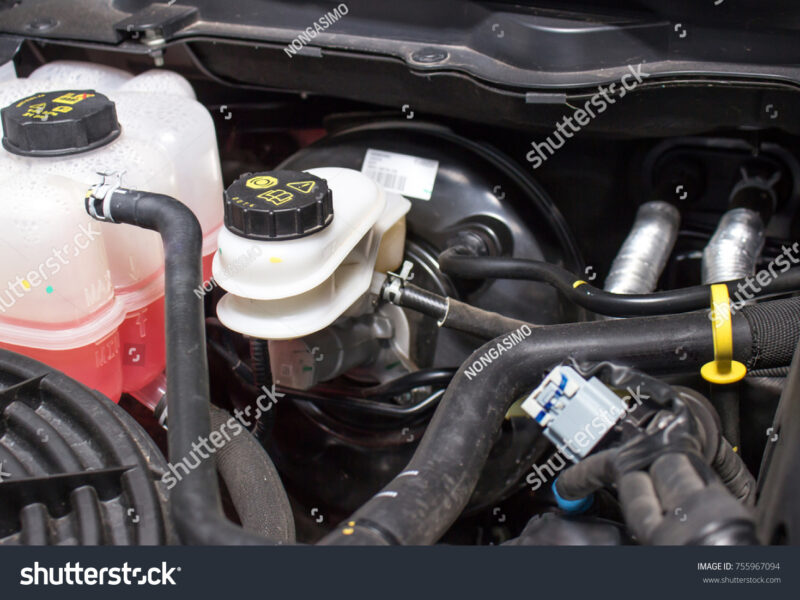
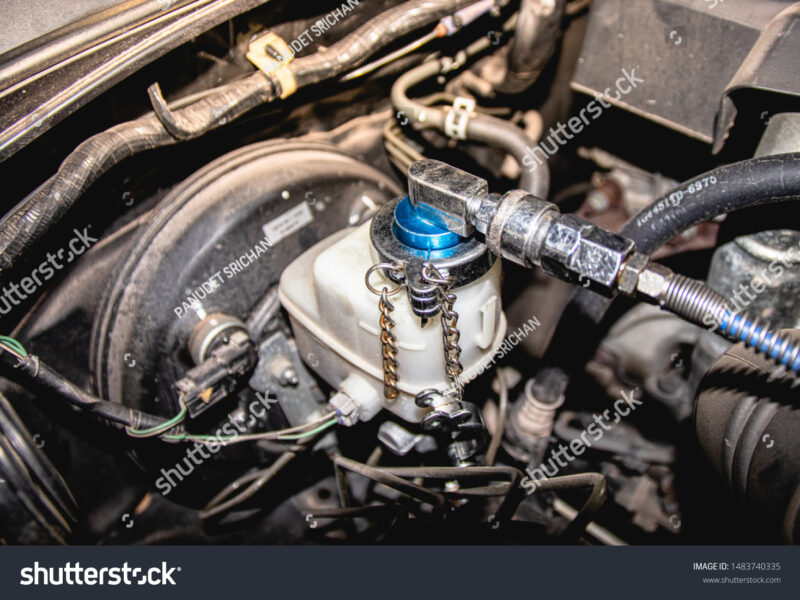
Situated near the master cylinder under the hood, the brake fluid reservoir is the primary storage unit for brake fluid. The cap indicates the type of DOT fluid required. A leak here may be evident as wetness around the reservoir or its seals.
The Master Cylinder
The master cylinder transforms the force you apply to the brake pedal into hydraulic pressure. Leaks may arise from seals or connections to the brake lines. If it fails internally, you might experience a spongy pedal, while external leaks are often visually noticeable.
Brake Lines and Hoses
Metal brake lines extend from the master cylinder to the wheels, while flexible rubber hoses link these lines to the brake calipers or wheel cylinders. Corrosion can lead to pinhole leaks in metal lines, especially in areas treated with road salt. Additionally, environmental factors can cause rubber hoses to crack or burst.
Calipers and Wheel Cylinders
Brake calipers for disc brakes house pistons that push the brake pads against the rotor. In drum brakes, wheel cylinders operate similarly. Leaks from these components typically occur due to worn or damaged seals around the pistons.
Anti-lock Braking System (ABS) Modulator
If your vehicle is equipped with an ABS, the modulator controls brake pressure to each wheel individually. Leaks can happen at its seals or connections to brake lines, making accurate diagnosis vital for this sophisticated system.
How Do Different Brake Fluid Types Affect Leak Diagnosis and Repair?
The brake fluid type in your vehicle impacts its properties, including boiling point and hygroscopicity—critical factors in diagnosing and preventing leaks and performance issues like ‘brake fade’.
Brake Fluid Classifications and Properties
Brake fluids are classified by the Department of Transportation (DOT) into categories such as DOT 3, DOT 4, DOT 5, and DOT 5.1, each possessing unique characteristics:
- DOT 3, DOT 4, and DOT 5.1: These glycol-ether based fluids are hygroscopic, meaning they absorb moisture which lowers their boiling points. For instance, DOT 3 has a dry boiling point of 401°F (205°C) and a wet boiling point of 284°F (140°C).
- DOT 5: A silicone-based fluid, DOT 5 is hydrophobic and repels water but is incompatible with ABS systems, potentially causing foaming during brake bleeding.
Compatibility and Mixing Issues
It’s crucial to note that DOT 5 silicone-based fluid cannot be mixed with any glycol-based fluids (DOT 3, DOT 4, or DOT 5.1). Mixing can contaminate the system, damaging seals and affecting braking performance. This is particularly important when diagnosing issues or repairing older vehicles, such as classic cars.
Boiling Point Specifications
The minimum dry boiling point for DOT 4 is 428°F (220°C), with a wet boiling point of 311°F (155°C). DOT 5.1 shares similar specifications but is glycol-based. Regular brake fluid flushes are recommended every 2-3 years or 30,000 miles to avert moisture contamination, which can lead to the dreaded ‘brake fade’.
What Are the Common Causes of Brake Fluid Leaks?
Identifying the underlying cause of a brake fluid leak is essential for safe and effective repairs. Most leaks result from component wear, environmental damage, or installation errors.
Component Wear and Age
Over time, seals in the master cylinder, calipers, and wheel cylinders can degrade due to heat, pressure, and contaminants. This wear often leads to fluid loss and a spongy brake pedal.
Corrosion and Environmental Damage
Metal brake lines are particularly vulnerable to rust, especially in regions where de-icing salts are prevalent. Pinhole leaks may necessitate replacements. Rubber hoses are also prone to cracking, particularly with prolonged exposure to engine heat and sunlight.
Installation Errors and Damage
Improper installation techniques, such as over-tightening or cross-threading, can damage seals and threads, resulting in leaks. External impacts, like striking road debris, can also compromise brake system integrity.
How Can You Safely Diagnose and Repair Brake Fluid Leaks?
Diagnosing a brake fluid leak requires a meticulous approach, ensuring safety at every step. The repair process involves not only replacing the faulty part but also properly bleeding the brake system.
Safety Precautions Before Diagnosis
Before embarking on inspection, make sure your vehicle is on a stable surface and the parking brake is engaged. Wear safety glasses and gloves to protect against brake fluid irritants and to prevent paint damage.
Visual Inspection for Leaks
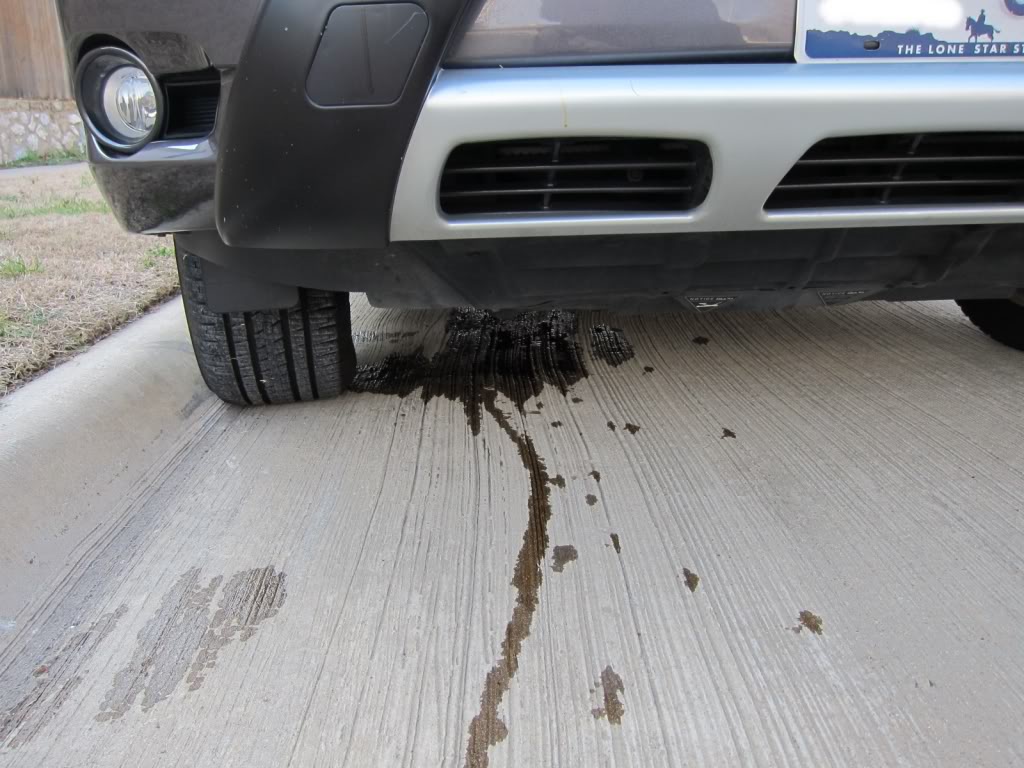
Start by checking the brake fluid level in the reservoir; if it’s low, inspect visible components for wetness or leaks. Pay close attention to the master cylinder, flexible brake lines, and calipers or wheel cylinders. A noticeable fluid spot under the car is a strong indicator of a leak.
Testing for Pedal Feel
A spongy brake pedal indicates air in the brake lines or a significant fluid pressure loss. This symptom directly relates to your vehicle’s braking system efficiency.
Component-Specific Leak Checks
- Master Cylinder: Examine seals at brake line connections and around the piston rod.
- Brake Lines: Check metal lines for rust and damage, and squeeze rubber hoses to test for brittleness or cracks.
- Calipers/Wheel Cylinders: Look for fluid around piston boots or bleed screws.
Repairing the Leak
After pinpointing the leak’s source, replace the faulty component. For instance, a cracked hose necessitates complete removal and replacement. A corroded brake line may require cutting and splicing in a new piece.
Bleeding the Brake System
Once the component is swapped and the lines are reconnected, bleeding is essential. This step removes air trapped in the hydraulic system, ensuring proper fluid circulation. Open the bleed screws on calipers or wheel cylinders one by one while applying pressure to the brake pedal. If your vehicle has ABS, specialized bleeding procedures might be required, often necessitating a scan tool. Neglecting to bleed properly can lead to a spongy pedal and reduced braking performance, akin to issues seen with malfunctioning drone brakes.
What Are the Current Market Prices for Brake Fluid and Common Repair Parts?
The cost of brake fluid and replacement parts can fluctuate widely based on brand, vehicle model, and geographical location.
Brake Fluid Pricing
- DOT 3 Brake Fluid: Typically priced between $5 to $15 per quart.
- DOT 4 Brake Fluid: Generally costs between $7 and $20 per quart.
- DOT 5.1 Brake Fluid: Similar to DOT 4, ranging from $8 to $25 per quart.
- DOT 5 Silicone Brake Fluid: This is usually more expensive, costing between $15 and $30 per quart.
Common Replacement Part Costs (Estimated Retail)
- Brake Hoses: $20 – $75 per hose, depending on the vehicle.
- Brake Calipers: $75 – $250 per caliper, contingent on whether it’s new or remanufactured.
- Master Cylinder: $50 – $200 based on vehicle type and ABS system needs.
- Brake Lines: Prices vary greatly; pre-bent lines can cost between $20 – $100, while custom fabrication may increase the expense.
Keep in mind that these prices only cover parts, excluding labor for professional installation. Performing DIY repairs can reduce labor costs but requires the right tools and knowledge.
Frequently Asked Questions About Brake Fluid Leaks
Q1: How often should brake fluid be replaced?
Brake fluid should be flushed and replaced every 2-3 years or 30,000 miles to avoid moisture contamination and maintain optimal performance.
Q2: Can I mix different types of brake fluid?
Never mix DOT 5 silicone fluid with glycol-based fluids (DOT 3, DOT 4, DOT 5.1). While mixing DOT 3, DOT 4, and DOT 5.1 is generally acceptable, always adhere to the fluid type recommended by the vehicle manufacturer.
Q3: What does a spongy brake pedal indicate?
A spongy brake pedal usually signifies air in the brake lines or a significant leak in the hydraulic system, which can compromise braking effectiveness.
Q4: Are brake dust shields necessary?
While brake dust shields can help protect components from debris and environmental damage, their necessity varies based on driving conditions and vehicle design.
Q5: What is ‘brake fade’?
Brake fade occurs when brake performance diminishes due to overheating, often resulting from moisture contamination that lowers brake fluid boiling point.