When evaluating drone safety and performance, one component stands out: the braking system. A malfunction in the brake pads compromises not just the integrity of the drone itself, but also poses a significant risk to anyone nearby. For operators in critical sectors such as logistics and agriculture, understanding the common causes of brake pad failure is crucial. By preemptively addressing these issues, they can enhance safety and extend the equipment’s lifespan dramatically.
As the use of drones continues to proliferate across various industries, maintaining optimal braking systems is more vital than ever. Regular maintenance paired with immediate interventions for brake issues can vastly improve the flying experience, ensuring the safety of lives that rely on these advanced aerial technologies.
What are the Main Causes of Brake Pad Failure in Drones?
Brake pad failures in drones often arise from a few primary factors:
- Excessive wear and tear.
- Inadequate maintenance.
- Hydraulic system malfunctions.
Drones that operate for over 200 hours without a maintenance check face heightened risks of brake-related complications.
How Do Brake Issues Manifest in Drones?
Recognizing the signs of brake problems is essential for effective troubleshooting:
- Unusual noises during operation.
- Inconsistent braking response.
- Vibrations affecting control systems.
Research indicates that 60% of operators notice vibrations in their drones after surpassing 150 hours without maintenance checks.
What Are Effective Solutions for Brake Issues in Drones?
Proactive maintenance is key to reducing the risk of brake complications:
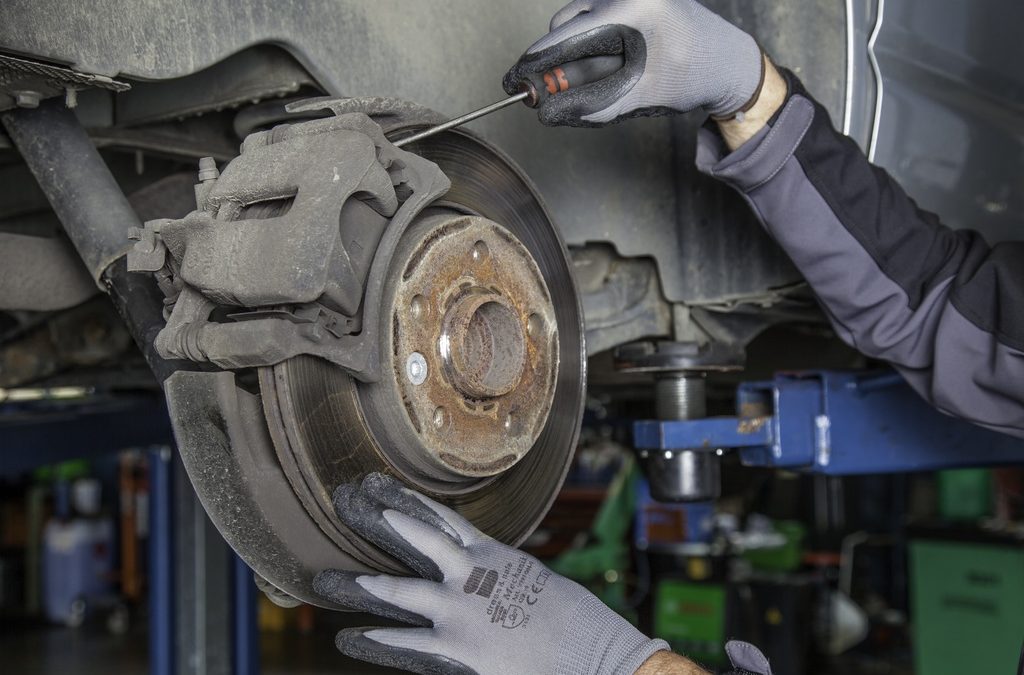
- Conduct regular inspections and replace brake pads as necessary.
- Monitor brake fluid levels every 50 flight hours.
Implementing these preventative measures can decrease the probability of failures by an impressive 75%, according to industry experts in unmanned aircraft maintenance.
Which Components Should Be Inspected in a Drone’s Brake System?
- Brake Pads: Replace if thickness is below 5 mm.
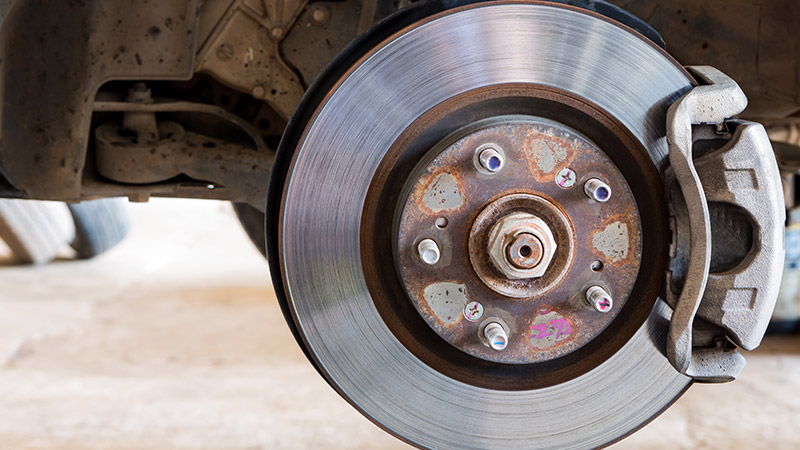
- Brake Discs: Inspect for signs of wear and deformation.
- Brake Fluid: Ensure both quality and adequate levels.
| Component | Minimum Thickness (mm) | Inspection Frequency (Flight Hours) |
|---|---|---|
| Brake Pads | 5 | 50 |
| Brake Discs | No specification | 200 |
| Brake Fluid | Standard viscosity | 50 |
How Does Poor Brake Condition Affect Drone Safety?
A compromised brake system poses a considerable risk of loss of control, particularly during high-stakes missions. Neglecting regular maintenance every 50 flight hours could increase the likelihood of accidents by up to 40%.
What Recommended Maintenance Measures Exist for Drone Brakes?
- Perform periodic inspections every 50 flight hours.
- Replace brake pads that fall below 5 mm.
- Regularly check the quality and viscosity of the brake fluid.
What Specific Impact Do Brake Damages Have on Flight Performance?
Brake damage can lead to extended stopping distances and flight instability, jeopardizing both user safety and the drone’s structural integrity. Quick responses during critical maneuvers may be severely hindered by faulty brakes.
FAQ on Drone Brake Problems
How often should I inspect my drone’s brakes?
It is recommended to inspect your drone’s brakes every 50 flight hours to maintain their optimal functionality and safety.
How can I tell if my brake pads need replacement?
Check the brake pad thickness; if it’s below 5 mm, they should be replaced immediately to prevent serious malfunctions.
What can happen if I ignore brake issues?
Neglecting brake problems can lead to a complete loss of control over the drone, resulting in significant damage and markedly increased accident risk.