Experiencing a loss of brake power can be alarming and potentially hazardous. If you’ve noticed signs indicating reduced braking ability, it’s imperative to take immediate action. This guide will help you understand the critical symptoms, underlying causes, and effective solutions to restore your vehicle’s braking power.
Brakes are your lifeline on the road, and recognizing even subtle changes can make all the difference in ensuring not just your safety but also that of others. Let’s dive into the warning signs, the reasons behind the loss of power, and the best ways to regain your confidence in your vehicle’s braking system.
What Are the Signs of Brake Power Loss?
Spotting the symptoms of brake power loss promptly can be crucial. Watch for these red flags:
- Excessive Pressure: When you find yourself needing to apply significantly more force to engage the brakes, this is a warning sign.
- Unusual Noises: Listen for any unusual noises, such as squeaks or grinding, while braking, as these could signal impending issues.
- Pulsation or Vibration: If you feel vibrations in the brake pedal while applying brakes, it may indicate underlying problems.
What Causes Brake Power Loss?
A myriad of factors can contribute to brake power loss, affecting your vehicle’s performance. Understanding these issues is essential for maintaining both safety and efficiency on the road:
- Component Wear: Brake pads that have worn down to less than 3 mm should be replaced immediately for safe driving.
- Brake Fluid Leaks: Any leaks in the hydraulic system can dramatically reduce braking efficiency.
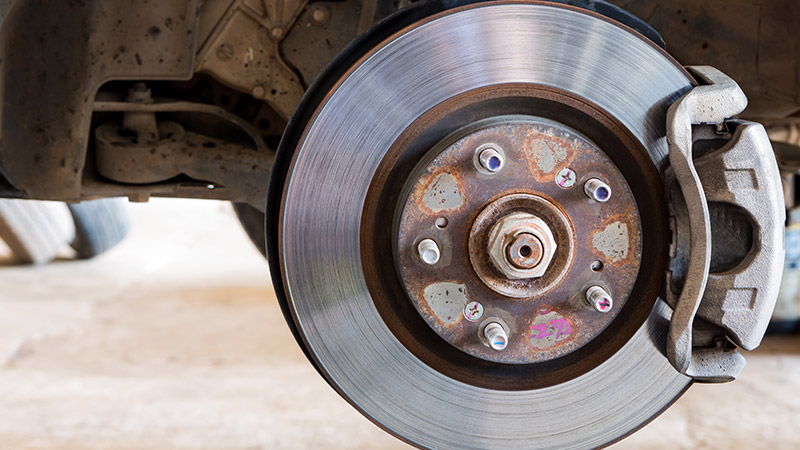
- Warped Brake Discs: Damaged or warped brake discs result in inadequate contact, hence diminishing your stopping power.
How Does Vehicle Age Affect Brake System Performance?
As your vehicle ages, its brake components may wear down, resulting in slower response times. Regular assessments of your braking system are crucial to ensure your safety and that of other road users.
How to Solve Brake Power Loss?
To restore optimal braking performance, implement the following solutions:
- Replace brake pads when they fall below 3 mm in thickness to maintain safety.
- Conduct regular inspections of the hydraulic system to detect and promptly repair any leaks.
- Resurface or replace warped brake discs to enhance braking efficiency.
Comparison of Brake System Components
| Component | Minimum Thickness (mm) | Recommended Fluid Type |
|---|---|---|
| Brake Pads | 3 | DOT 3 or DOT 4 |
| Brake Discs | N/A | N/A |
| Brake Fluid | N/A | DOT 3 or DOT 4 |
When Should You Evaluate Your Vehicle’s Brakes?
It’s advisable to assess your brakes every 10,000 kilometers or immediately if you notice any of the symptoms mentioned earlier. Regular checks ensure both reliability and safety on the road.
Frequently Asked Questions
What does a soft brake pedal mean?
A soft brake pedal can indicate a potential fluid leak or the presence of air in the brake system. Addressing this issue urgently is vital to prevent safety hazards.
How long does brake fluid typically last?
To maintain optimal performance, brake fluid should be replaced every two years, regardless of the fluid type used.
How can I tell if my brake discs are damaged?
Visually inspect for cracks or warping, and evaluate the overall braking performance to determine the condition of your brake discs.
For a deeper understanding, explore articles on how the brake system operates, symptoms of worn brakes, and common types of brake damage. For more information on specific issues, check out Diagnosing a Sticking Brake Caliper: Symptoms, Causes, and Fixes, 7 Dangerous Symptoms of Low Brake Fluid You Should Never Ignore, and What to Do When Your ABS Brakes Fail While Driving: A Safety Guide.