For racers and high-performance driving enthusiasts, mastering advanced braking techniques is not merely advantageous; it’s essential for success. These skills are intricately crafted to optimize deceleration while maintaining absolute control of the vehicle—crucial in high-speed situations where every millisecond can determine victory or defeat.
By understanding and implementing effective braking methods, drivers can significantly enhance both safety and track performance. In the exhilarating world of motorsports, where precision meets adrenaline, the right braking techniques can make the difference in claiming that coveted top spot on the podium.
What Are the Most Effective Advanced Braking Techniques?
High-performance drivers rely on several key braking techniques to maximize their effectiveness. Here are the essential methods to elevate your braking game:
- Threshold Braking: This technique involves applying brakes at the limit of tire grip, achieving maximum force just before the tires start to slide.
- Double Pedal Braking: Briefly releasing the brake allows the wheels to spin freely, which enhances vehicle control upon reapplying the brakes.
- Underrun Braking: Maintaining consistent pressure on the brakes prevents wheel lock-up, allowing full steering control during braking.
How Do High-Performance Brake Systems Enhance Driving?
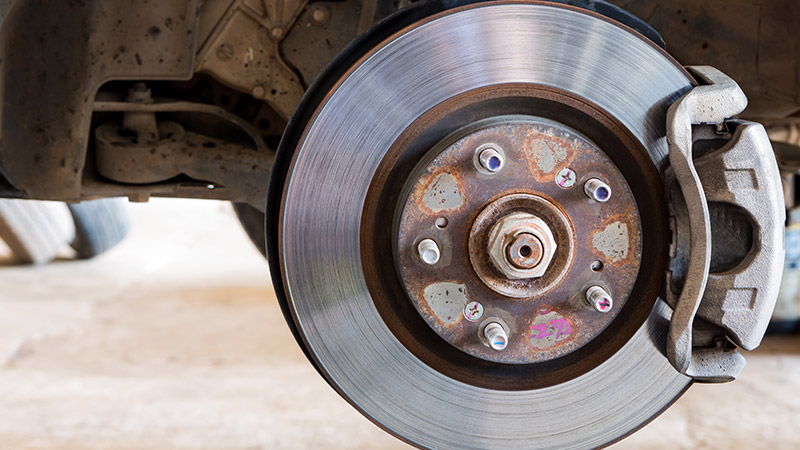
High-performance brake systems significantly improve driving capabilities. Engineered with advanced materials such as silicon carbide, these brakes can withstand temperatures up to 800°C, making them essential for pushing performance limits on the track.
| Brake Type | Max Temperature (°C) | Material | Durability (km) |
|---|---|---|---|
| Standard Brakes | 600 | Steel | 30,000 |
| Performance Brakes | 800 | Silicon Carbide | 40,000 |
| Competition Brakes | 900 | Ceramic Composites | 25,000 |
When Should You Perform Brake Maintenance?
Regular brake maintenance is crucial for ensuring safety and performance, with checks recommended every 10,000 kilometers. It is vital to inspect key components such as brake pads, rotors, and fluid levels. Replace brake pads when their thickness falls below 3 mm to maintain optimal braking performance.
What Materials Are Used in High-Performance Brakes?
High-performance brakes utilize lightweight materials such as aluminum alloys and ceramic composites. These materials are chosen for their outstanding thermal performance, which allows for effective heat dissipation and prolongs the life of the braking system.
What Are the Benefits of Proper Braking in High-Performance Driving?
Employing proper braking techniques not only enhances safety but also optimizes lap times. By mastering these skills, drivers can significantly shorten stopping distances and improve cornering stability, ultimately achieving superior performance on the track.
Frequently Asked Questions (FAQ)
How often should I check my brakes?
Inspecting your brakes every 10,000 kilometers is advisable to ensure peak functionality and safety.
What is the difference between high-performance brakes and standard brakes?
High-performance brakes are specifically engineered for enhanced heat dissipation and can tolerate much higher temperatures compared to standard brakes, making them ideal for extreme driving conditions.
What is the best braking technique for beginners?
Threshold braking is highly recommended for beginners, as it allows them to maximize braking force without compromising traction.
For more insights on advanced braking techniques, explore our article on Advanced Braking Techniques.
To dive deeper into the specifics of high-performance brakes, visit our article on High-Performance Brakes.
Finally, for invaluable maintenance tips, check out our guide on Essential Brake Maintenance Tricks.