Upgrading the brake systems in classic cars transcends mere enhancement; it represents a crucial investment in both safety and performance. By opting for high-quality components and adhering to regular maintenance schedules, classic vehicles can not only meet modern safety standards but also retain their timeless elegance.
In this comprehensive guide, we will delve into the fundamental elements of classic car brake systems. We’ll cover essential components, suitable fluids, and vital maintenance practices to ensure your investment drives smoothly into the future. Ready to drive deeper into the world of classic car brakes? Let’s begin!
What Are the Key Differences Between Old and Modern Brake Systems?
Classic cars typically feature single-circuit brake systems, in stark contrast to the dual-circuit designs found in modern vehicles. The dual-circuit system offers increased redundancy, effectively reducing the risk of total brake failure. For classic car owners, it’s crucial to recognize that outdated brake systems often lack the stopping power of their modern counterparts, potentially posing safety risks.
Which Components Are Crucial for Classic Car Brakes?
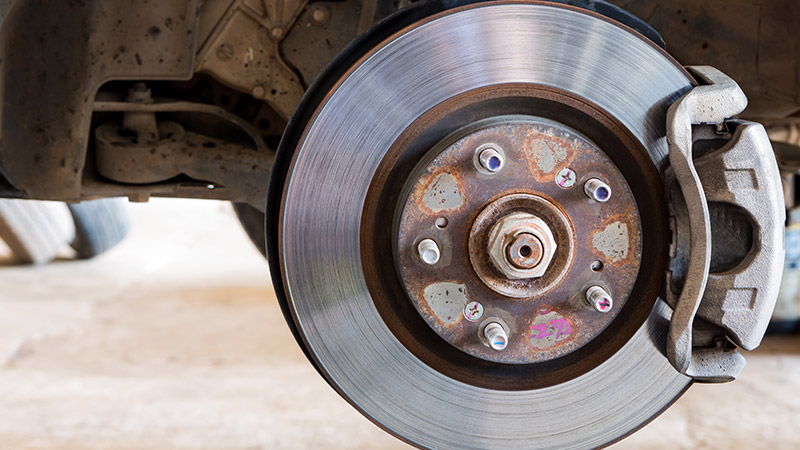
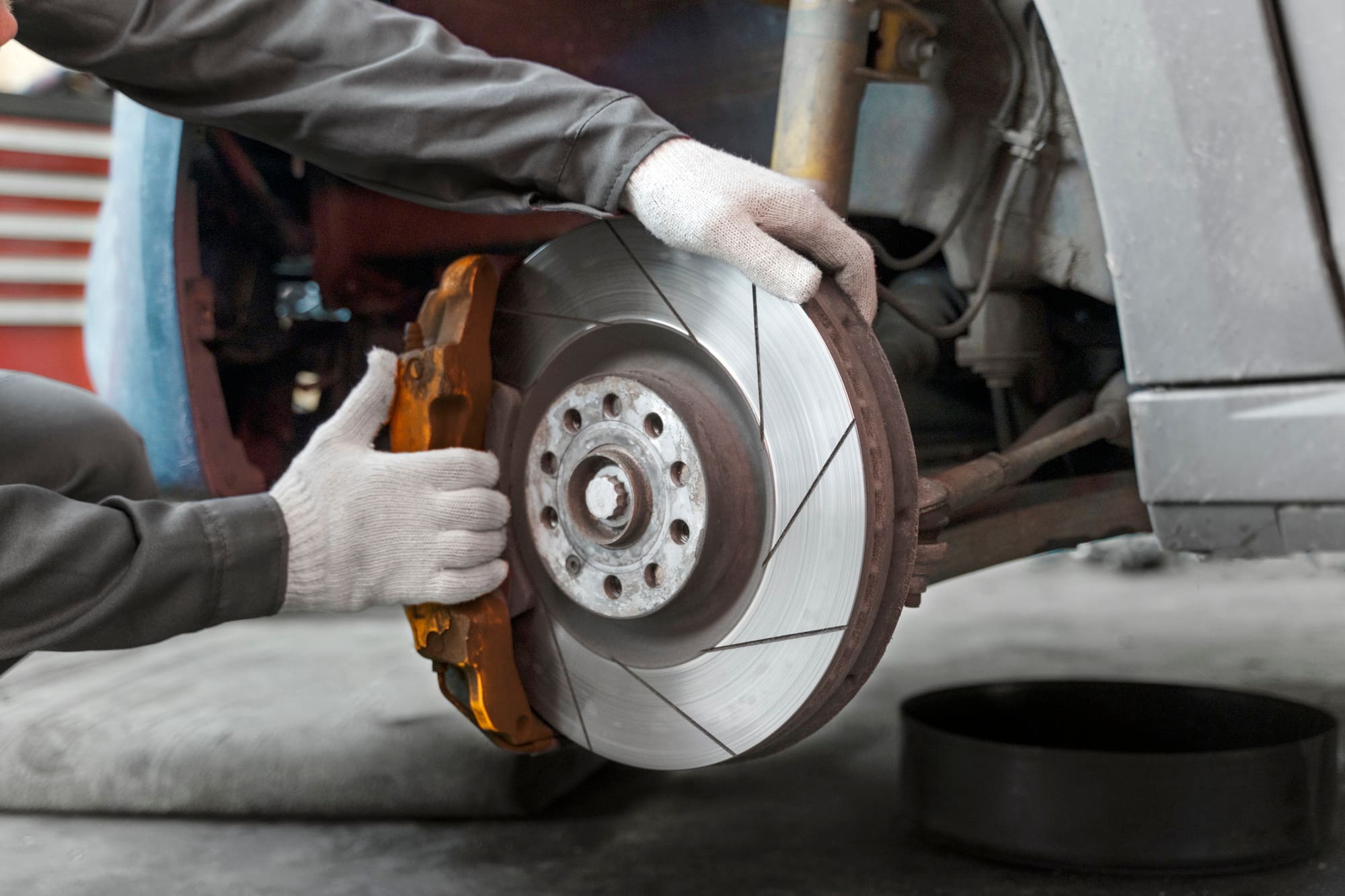
An effective brake system hinges on several key components: brake pads, rotors, brake fluid, and calipers. Adhering to original specifications is vital for optimal performance. For example, the choice of brake fluid—whether DOT 3 or DOT 4—significantly impacts braking efficiency. Moreover, it’s essential to replace brake pads promptly when their thickness dips below 3 mm to ensure safety on the road.
What Types of Brake Fluids Are Suitable for Classic Vehicles?
Choosing the appropriate brake fluid is pivotal for maintaining the performance of classic cars. The primary options include:
- DOT 3: With a boiling point of 205 °C, it’s suitable for standard applications.
- DOT 4: Offering a higher boiling point of 230 °C, it’s ideal for both modern and classic vehicles.
- DOT 5: Designed for high-performance vehicles, this fluid boasts a boiling point of 260 °C.
Selecting the right fluid according to your braking system’s specifications ensures optimal hydraulic function and longevity.
How Does Regular Maintenance Affect Brake System Performance?
Conducting regular maintenance checks every 10,000 kilometers is essential to uphold superior brake system performance. These assessments should include:
- Inspecting the condition and thickness of brake pads.
- Assessing the quality of brake fluid.
- Examining the integrity of rotors.
Taking these proactive steps helps prevent unexpected issues and guarantees a safe driving experience.
How Can You Preserve Originality in Classic Car Brake Systems?
To maintain authenticity, it’s critical to use parts and fluids that match factory specifications. This practice not only preserves the character of the vehicle but also enhances safety and performance, ensuring that it remains a genuine representation of its era.
What Are the Costs Associated with Enhancing Brake Systems in Classic Cars?
The costs associated with upgrading brake systems can fluctuate widely based on the components chosen. Here’s a brief overview:
- A standard set of brake pads ranges from $50 to $150.
- Rotors can vary between $100 and $300.
Understanding these costs is essential for effective financial planning regarding your brake system upgrades.
Comparative Table of Brake Fluid Types
| Fluid Type | Boiling Point | Common Use |
|---|---|---|
| DOT 3 | 205 °C | Classic Vehicles |
| DOT 4 | 230 °C | Modern and Classic Vehicles |
| DOT 5 | 260 °C | High-Performance Vehicles |
Frequently Asked Questions
How Often Should I Inspect the Brakes on My Classic Vehicle?
Inspect your brakes every 10,000 kilometers to ensure reliable performance and safety.
What Should I Do If My Brake Pads Are Thinner Than 3 mm?
Replace them immediately to maintain your vehicle’s braking effectiveness.
Is It Necessary to Use Original Brake Fluids in Classic Cars?
Yes, using original fluids like DOT 3 and DOT 4 is essential for retaining both authenticity and performance in classic vehicles.
How Can I Enhance the Safety of My Classic Car’s Brake System?
Regular inspections, combined with quality component upgrades that adhere to original specifications, can significantly enhance the safety of your braking system.
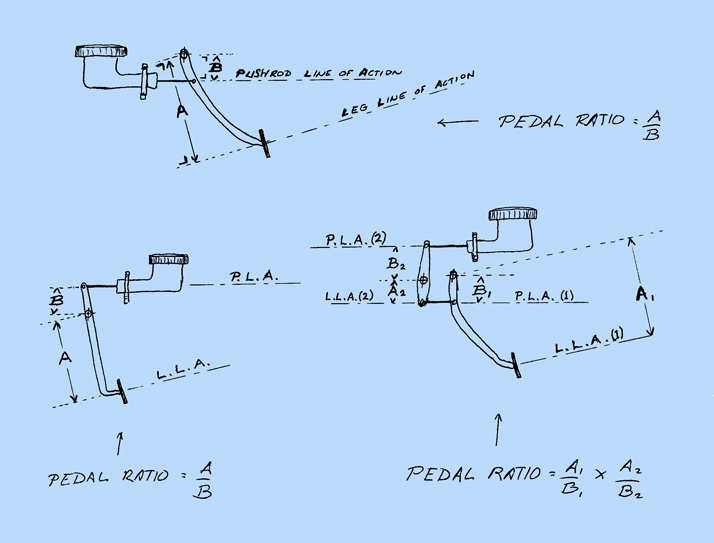
For deeper insights into maintaining brake systems in classic vehicles, check out Optimizing Brake Pedal Ratio: A Guide for Performance and Custom Builds and Advanced Braking Techniques for High-Performance Driving.
To understand the reasons behind power loss in your vehicle’s braking system, visit Why Your Vehicle Loses Power in the Braking System: Signs and Solutions.