Ensuring your electric vehicle (EV) has effective brake maintenance isn’t just a good idea; it’s essential for your safety and performance. A thorough inspection can be the difference between a safe stop and a dangerous situation on the road. Understanding the various brake types and how environmental factors affect them is crucial for keeping your EV performing at its best.
Whether navigating bustling city streets or serene suburban roads, prioritizing regular brake maintenance is vital. In the sections below, we will uncover the best practices for maintaining your EV brakes, ensuring your driving experience remains smooth and secure.
How Often Should You Inspect Your EV Brakes?
For optimal safety and vehicle performance, it’s recommended to conduct a comprehensive brake inspection every 10,000 kilometers. This proactive approach ensures all components—from brake pads to fluid—are operating at their best, granting you peace of mind while on the road.
What Are the Critical Brake Components in an EV?
Having a solid understanding of your EV’s brake system is essential for effective maintenance. The key components to keep an eye on include:
- Brake Pads: Replace when thickness falls below 3mm to maintain adequate stopping power.
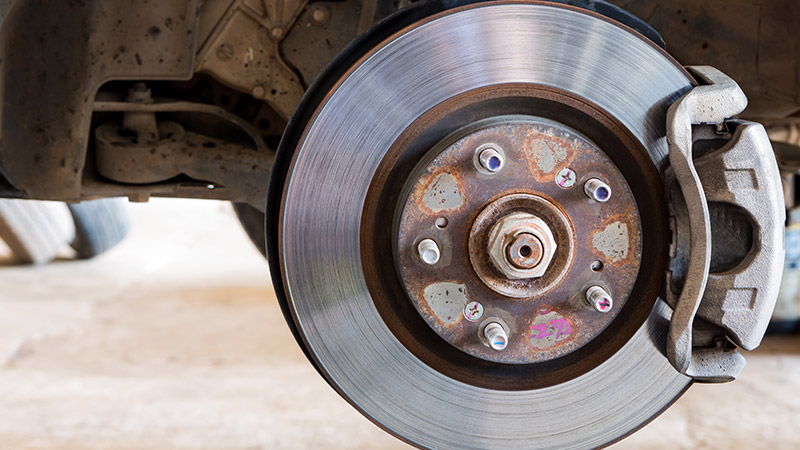
- Brake Discs: Regular inspections prevent warping and help maintain effective braking performance.
- Brake Fluid: Critical to the hydraulic system’s operation; check levels frequently for safety.
How Does Brake Pad Material Affect Performance?
The performance of your EV’s brakes is heavily influenced by the type of brake pad used. Here’s a detailed comparison:
| Pad Type | Material | Service Life (km) | Thermal Performance (°C) |
|---|---|---|---|
| Ceramic | Ceramic Composite | 30,000 – 70,000 | 200 – 600 |
| Organic | Organic Composites | 25,000 – 50,000 | 150 – 450 |
| Metallic | Sintered Metal | 40,000 – 80,000 | 300 – 800 |
What Impact Does Regenerative Braking Have on EVs?
Regenerative braking technology has revolutionized modern electric vehicles, allowing them to recover up to 70% of energy during deceleration. This innovation not only reduces reliance on traditional mechanical brakes but also minimizes brake pad wear, enhancing overall efficiency and longevity in performance.
How Do Weather Conditions Affect EV Brakes?
Weather conditions can significantly influence brake performance. Factors like snow and ice can severely compromise braking effectiveness. For expert guidance on maintaining your brakes in cold climates, check out this essential guide.
How Can You Keep Your EV Brakes in Prime Condition?
Here are some actionable tips to ensure your EV brakes remain in excellent condition:
- Regularly assess the thickness of your brake pads to guarantee safety.
- Inspect brake fluid for any signs of contamination; clarity is crucial.
- Calibrate the regenerative braking system frequently for optimal performance.
For further maintenance insights, visit 5 Essential Tips for Maintaining Your Car Brakes.
FAQ: Common Questions About EV Brake Maintenance
Which Brake Fluid Should I Use in an Electric Vehicle?
The recommended brake fluids for most electric vehicle systems are either DOT 3 or DOT 4, which are both known for their effective performance.
How Does EV Weight Affect Brake Maintenance?
The additional weight from batteries can increase brake wear, making frequent inspections vital for safety and optimal performance.
Should Driving Style Affect Brake Maintenance Frequency?
Absolutely. Aggressive driving habits necessitate more frequent maintenance checks, while a smoother driving style can significantly extend brake life.
How Does Temperature Influence Brake Performance?
Extreme temperature variations can affect brake fluid efficiency and accelerate pad wear, underscoring the importance of regular inspections.