Maintaining your vehicle’s braking system is not just a matter of performance; it’s a vital component of road safety. When your brake pads wear down to a thickness of 3 millimeters (mm) or less, it’s time for immediate replacement. Ignoring this threshold can severely compromise your stopping power, putting everyone on the road at risk.
In this comprehensive guide, we’ll explore the key indicators that signal it’s time to change your brake pads, detail the procedure for doing so, and break down the various materials available. By understanding these aspects, you’ll be empowered to keep your vehicle’s braking system safe and effective.
What Specific Factors Mandate Brake Pad Replacement?
The lifespan of brake pads is influenced by several factors, including composition, driving habits, and environmental conditions. On average, brake pads can last anywhere from 30,000 to 70,000 kilometers, although this can vary widely. Frequent hard braking or operating in harsh environments can lead to accelerated wear.
What is the Technically Sound Procedure for Brake Pad Replacement?
Replacing brake pads may seem daunting, but with the right tools and procedures, it is a straightforward mechanical task. Here’s how to do it:
- Start by securely elevating the vehicle and removing the wheel assembly.
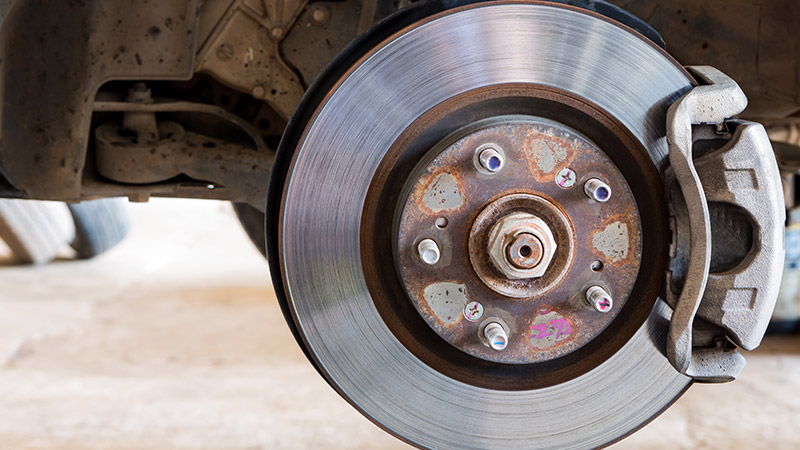
- Disassemble the brake caliper using the appropriate wrench size, commonly a 13mm or 17mm socket for many domestic vehicles.
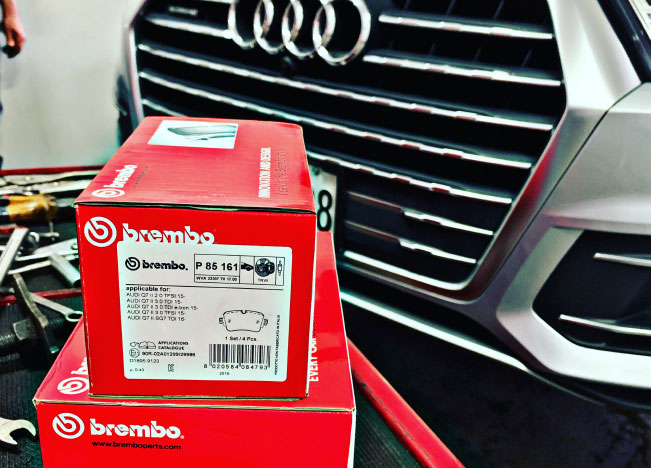
- Carefully install new brake pads that meet or exceed OEM specifications, ensuring they are certified by relevant standards such as SAE J2707.
- Reassemble the caliper and wheel, ensuring to torque all fasteners to the manufacturer’s specifications.
- Finally, conduct a thorough brake system test. Apply the brake pedal several times to properly seat the new pads before putting the vehicle back into service.
What Are the Differentiating Characteristics of Various Brake Pad Materials?
| Brake Pad Type | Material Composition | Typical Lifespan (Kilometers) | Friction Coefficient Range | Price Range (per axle set) |
|---|---|---|---|---|
| Organic (Non-Asbestos Organic – NAO) | Composite of natural fibers, fillers, and resin binders | 30,000 – 50,000 | 0.25 – 0.45 | $40 – $70 |
| Semi-Metallic | Mixture of metal fibers (steel, iron, copper) and fillers bound by resin | 40,000 – 60,000 | 0.30 – 0.55 | $60 – $120 |
| Ceramic | Ceramic fibers, non-ferrous filler materials, and bonding agents | 50,000 – 70,000+ | 0.30 – 0.50 | $80 – $160 |
What Auditory and Physical Cues Signal Brake Pad Wear?
Regular auditory and visual inspections play a crucial role in ensuring the integrity of your braking system. Be alert for sounds like a high-pitched squeal, often produced by a wear indicator, or a grinding noise indicating metal-on-metal contact. These signals suggest that your brake pads have worn below the safe 3mm mark and require prompt attention. For more insights on maintaining braking performance, consult our detailed guide on Diagnosing and Fixing Brake Fluid Leaks Safely.
What Material Compositions Are Technically Recommended for Brake Pad Replacements?
Selecting quality replacement brake pads is essential. Always adhere to your vehicle’s Original Equipment Manufacturer (OEM) specifications. Ceramic brake pads are a popular choice due to their reduced dust emission and noise control, ensuring a quieter operation. To dive deeper into the interactions within your vehicle’s systems, explore our article on How Your Car’s Brake System Works.
What Are the Recommended Inspection Intervals for Brake Systems?
To uphold optimum brake performance, it’s advisable to inspect brake system components—pads, rotors, and fluid—every 12,000 to 15,000 kilometers or at least once a year. Regular inspections allow for early detection of wear and potential issues. Neglecting this routine check can lead to significant component failures, similar to unnoticed transmission solenoid problems detailed in our article on Transmission Solenoid Failure.
What Are the Different Standards and Types of Brake Fluid?
Brake fluid is a crucial—and frequently overlooked—component of your vehicle’s brake system. The main classifications include DOT 3, DOT 4, and DOT 5.1. Each type has a different boiling point, with DOT 3 at 205°C (401°F) dry, compared to DOT 4 at 230°C (446°F) and DOT 5.1 at 260°C (499°F) dry. It’s important to ensure you’re using the correct type of fluid for your system; for more details on maintaining your brake fluid, check out The Ultimate Guide to Diagnosing and Fixing Brake Fluid Leaks Safely.
FAQ – Frequently Asked Questions
What is the precise minimum thickness for brake pads before replacement?
Brake pads must be replaced when their thickness reaches 3mm or less, ensuring that you retain adequate friction material for safe performance.
Can a DIY enthusiast successfully replace brake pads on a typical passenger vehicle?
Yes, with access to a service manual for torque specifications and the necessary tools like a caliper piston tool and torque wrench, DIY replacement is not only feasible but can typically be completed within 1-3 hours per axle.
What specific sound indicates brake pads require immediate replacement?
A consistent, high-pitched metallic squeal, often emitted by a built-in wear indicator, signals that the pad material is critically low and requires immediate attention to avoid rotor damage.