Identifying the symptoms of a failing transmission solenoid is essential to keep your vehicle operating smoothly. Recognizing these warning signs early can prevent further damage, ensuring that you save both your gearbox and your hard-earned money in repair costs.
Common symptoms often present themselves as noticeable driving irregularities, including abrupt gear shifts and the activation of the Check Engine Light (CEL). These signs serve as crucial indicators, revealing underlying transmission control issues that deserve immediate attention.
What are the Common Symptoms of a Failing Transmission Solenoid?
When a transmission solenoid malfunctions, the impact can be quite jarring. Drivers frequently report experiencing sudden or delayed gear shifts, unexpected shudders during acceleration, and the ominous illumination of the Check Engine Light (CEL), usually accompanied by specific diagnostic trouble codes (DTCs). Unlike brake fluid leaks that directly endanger hydraulic stopping power, solenoid failures disrupt the electronic signals needed for gear engagement, ultimately compromising vehicle performance.
How Does a Transmission Solenoid Failure Manifest in Driving?
As a transmission solenoid’s condition worsens, drivers may feel harsh or clunky gear changes, especially during shifts or downshifting while accelerating. In severe cases, the system may enter a protective “limp mode,” limiting the vehicle to one gear—typically second or third—to avert further damage. This precaution is similar to what happens when a hydraulic brake system fails, inhibiting the driver’s control over the vehicle through distinct operational methods.
What Specific Diagnostic Trouble Codes (DTCs) Indicate a Bad Transmission Solenoid?
Accurately identifying DTCs is pivotal for diagnosing solenoid failures. Codes like P0740 (Torque Converter Clutch Circuit Malfunction) and P0750 (Shift Solenoid A Malfunction) often point to solenoid issues. These codes suggest that the Powertrain Control Module (PCM) is not receiving critical electrical signals from the solenoid circuits. Such anomalies may arise from potential shorts, open circuits, or internal solenoid malfunctions—issues reminiscent of faults found in electric vehicle battery management systems.
Can Transmission Solenoid Issues Cause Slipping Gears?
Absolutely. A malfunctioning transmission solenoid can lead to gear slippage. If the solenoid fails to engage or disengage properly, it disrupts the hydraulic pressures essential for maintaining a predetermined gear. This can result in the transmission temporarily losing grip on the selected gear, creating a disconcerting sensation of slippage, often accompanied by an unexpected drop in RPMs without the anticipated acceleration.
What is the Role of Transmission Solenoids in Gear Selection?
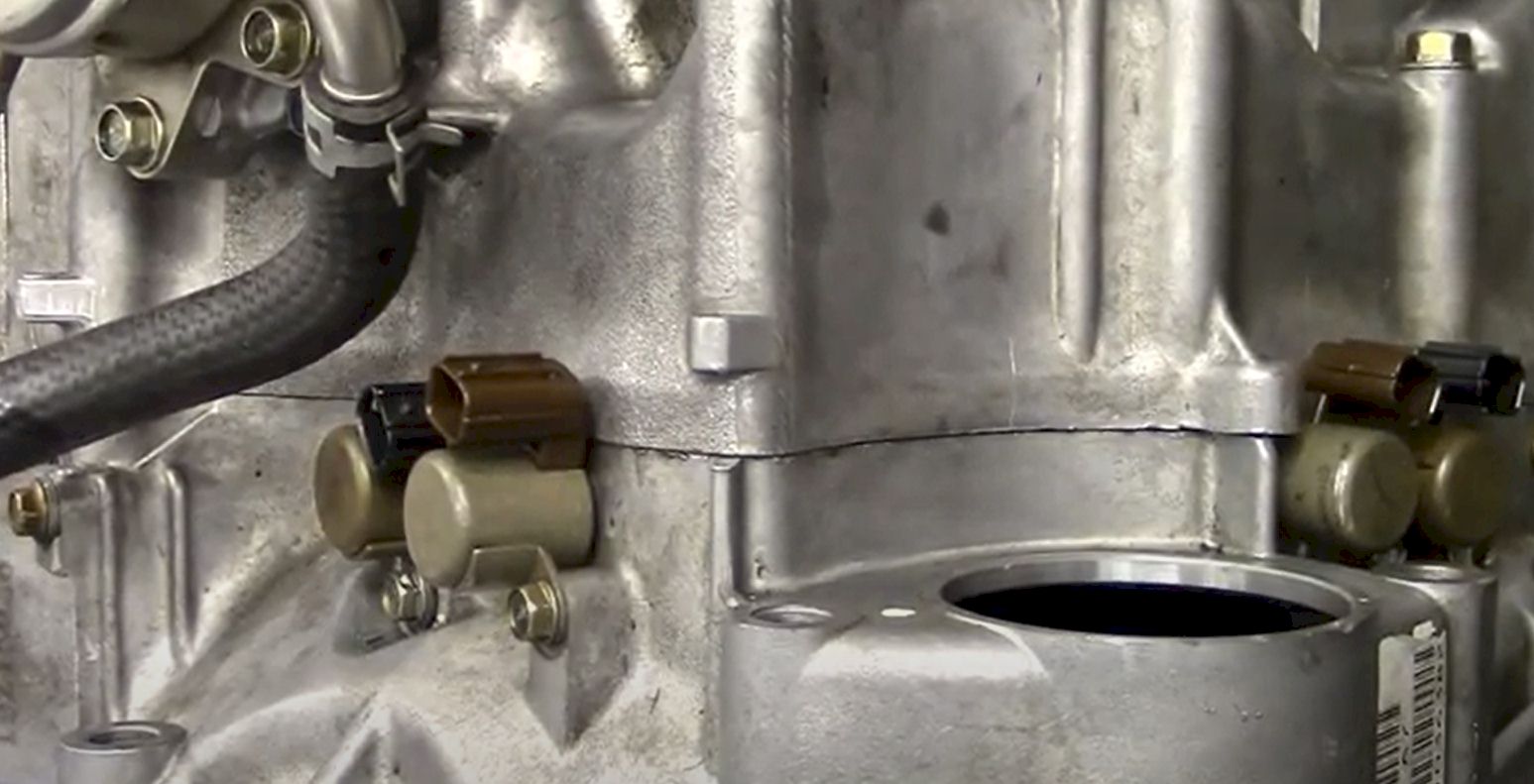
Transmission solenoids function as electronic controls within the automatic transmission’s valve body. Managed by the vehicle’s onboard computer system, these components either open or close to direct hydraulic fluid pressure to specific clutch packs and bands when engaged. This precise modulation facilitates seamless gear shifts. However, a malfunctioning solenoid can lead to incorrect fluid pressure application, resulting in shift errors or a failure to engage a particular gear altogether.
What are the Key Components of the Transmission Hydraulic System?
The transmission hydraulic system is composed of transmission fluid, a fluid pump, the valve body containing solenoids, clutch packs, and the torque converter. The fluid serves two critical purposes: it lubricates and acts as a medium for hydraulic power transmission. The pump generates the necessary pressure, which solenoids meticulously regulate to actuate clutch packs and bands responsible for engaging different gear ratios. Understanding the pressure specifications is paramount, as typical operating pressures for many automatic transmissions range between 50 to 150 psi, depending on the gear and load.
What is the Typical Repair Cost for a Faulty Transmission Solenoid?
Repairing a faulty transmission solenoid can vary significantly, typically costing between $300 and $1,500. Factors influencing this price include accessibility to the solenoid(s), the number of solenoids requiring replacement, and local labor rates. Some repairs may involve simply replacing the solenoid, while others could necessitate more complex procedures, such as dropping the transmission pan or even removing the valve body for comprehensive servicing. This expense is substantially lower than severe failures in systems like electric vehicle batteries, which can exceed $10,000.
How Can I Differentiate Solenoid Failure from Other Transmission Problems?
Distinguishing solenoid failure from other transmission issues requires meticulous symptom analysis and thorough diagnostics. While slipping gears may result from worn clutch packs or low fluid levels, specific DTCs tied to solenoid circuits strongly indicate electrical or valve body problems. Solenoid failure symptoms typically manifest as sudden shifts or the inability to engage particular gears. Meanwhile, widespread slippage across all gears often points to worn clutch packs. Identifying other issues, like brake fluid leaks, may involve noticing a spongy pedal and visible fluid loss, which are distinctly separate from internal transmission troubles.
What is the Chemical Composition of Transmission Fluid and Its Impact on Solenoids?
Modern automatic transmission fluids (ATFs) are intricate synthetic or semi-synthetic formulations crafted to provide lubrication, cooling, hydraulic power transfer, and corrosion prevention. Essential additives, including viscosity modifiers, friction modifiers, anti-wear agents, and detergents, contribute to their performance. Friction modifiers are particularly critical for seamless clutch engagement. Using the incorrect ATF or degraded fluid may lead to excessive friction, deposit buildup, or lubrication breakdown, causing solenoids to jam or function inadequately. For instance, fluid degradation can result in sludge formation that impairs solenoid plungers.
Transmission Solenoid Failure vs. Other Vehicle Issues
It is essential to differentiate between transmission solenoid failures and other automotive issues that can display similar symptoms. Brake system failures, such as fluid leaks, typically present as a spongy brake pedal and reduced stopping power, with no connection to gear shifting operations. Similarly, the performance degradation of electric vehicle batteries appears as diminished range and slower acceleration, diverging significantly from gear engagement issues.
Comparative Analysis of System Degradation Factors
| System | Primary Degradation Indicator | Typical Annual Degradation Rate | Key Influencing Factor | Potential Remediation Cost (Exemplary) |
|---|---|---|---|---|
| Automatic Transmission (Solenoid) | Harsh/Delayed Shifts, DTCs (e.g., P0750) | Component failure (variable) | Solenoid valve malfunction, contaminated fluid | $300 – $1,500 (Solenoid Replacement) |
| EV Battery | Reduced Range, Slower Charging | 2.3% (average) | Charging habits (e.g., >100 kW DC fast charging) | $5,000 – $15,000+ (Battery Replacement) |
| Hydraulic Brake System | Spongy Pedal, Reduced Stopping Power | N/A (leak-dependent) | Brake fluid leaks (e.g., seal failure) | $100 – $500 (Seal/Line Replacement) |
Frequently Asked Questions (FAQ)
Can I Drive with a Bad Transmission Solenoid?
Driving with a severely failing transmission solenoid is not advisable. Such conditions increase the risk of further internal transmission damage, leading to rising repair costs or even complete transmission failure. Prompt attention is essential.
How Long Does It Take to Replace a Transmission Solenoid?
Typically, replacing a transmission solenoid takes about 2 to 5 hours of labor, depending on the make and model of the vehicle and the solenoid’s accessibility. Certain repairs may require dropping the transmission pan or the valve body for a thorough solution.
Is Transmission Fluid Contamination a Common Cause of Solenoid Failure?
Indeed, contaminated or degraded transmission fluid is a leading cause of solenoid malfunctions. Debris and sludge accumulation can block solenoid passages or impede the movement of internal components, leading to operational failures.
Is It Safe to Drive With a Bad Transmission Solenoid? Risks and Costs
Transmission Solenoid Replacement Cost: What to Expect for Parts and Labor