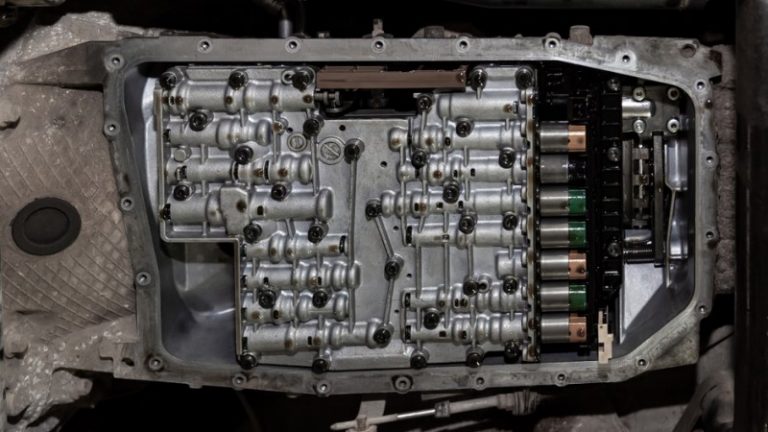
The dangers of driving with a malfunctioning transmission solenoid are profound and undeniable. Even if your vehicle still seems operable, the risks to your car’s mechanics and your safety are significant. A faulty solenoid disrupts the delicate balance necessary for smooth gear transitions, leading to erratic shifting and increased wear on transmission components.
When a transmission solenoid malfunctions, you may experience jarring shifts, unexpected lags, or even a jolt during acceleration. The Check Engine Light (CEL) may illuminate, often accompanied by Diagnostic Trouble Codes (DTCs) that hint at deeper transmission control issues. Ignoring these warning signs can escalate minor problems into costly repairs. For insights on diagnosing these symptoms, check out our detailed guide on Transmission Solenoid Failure: How to Identify Symptoms and Save Your Gearbox.
What are the specific risks of driving with a faulty transmission solenoid?
The primary risk associated with a bad transmission solenoid is the accelerated wear of internal components. When the solenoid fails, it disrupts fluid flow and pressure regulation within the transmission, leading to increased friction and thermal stress. This results in rapid deterioration of essential parts like clutches, bands, and gears.
A slipping transmission is a common symptom of solenoid failure, which can severely impact a vehicle’s acceleration and stability. Such conditions pose significant dangers, particularly when merging into traffic or climbing steep hills, where proper gear selection is critical for both performance and safety.
Can a bad transmission solenoid lead to complete transmission failure?
Indeed, a neglected bad transmission solenoid can result in total transmission failure. The solenoid plays a crucial role in regulating the flow of transmission fluid necessary for gear engagement. When it malfunctions, it can cause slippage, failure to engage gears, or harsh transitions, ultimately leading to severe internal damage.
Common DTCs like P0750 (Shift Solenoid A Malfunction) and P0755 (Shift Solenoid B Malfunction) are critical indicators of solenoid issues. Ignoring these codes can precipitate further internal damage, leading to a situation where the transmission can no longer shift gears, rendering the vehicle immobile.
What are the specific Diagnostic Trouble Codes (DTCs) associated with a bad transmission solenoid?
A range of DTCs specifically indicates faults in transmission solenoids, aiding in diagnosis. Commonly seen codes include:
- P0740: Torque Converter Clutch Circuit Malfunction
- P0750: Shift Solenoid A Malfunction
- P0751: Shift Solenoid A Performance or Stuck Off
- P0752: Shift Solenoid A Stuck On
- P0755: Shift Solenoid B Malfunction
- P0756: Shift Solenoid B Performance or Stuck Off
- P0757: Shift Solenoid B Stuck On
- P0760: Shift Solenoid C Malfunction
- P0761: Shift Solenoid C Performance or Stuck Off
- P0762: Shift Solenoid C Stuck On
- P0770: Shift Solenoid D Malfunction
- P0771: Shift Solenoid D Performance or Stuck Off
- P0772: Shift Solenoid D Stuck On
- P0780: Shift Intermittent
- P0781: 1-2 Shift Malfunction
- P0782: 2-3 Shift Malfunction
- P0783: 3-4 Shift Malfunction
- P0784: 4-5 Shift Malfunction
What is the specific cost to fix a bad transmission solenoid?
The cost of fixing a bad transmission solenoid can vary widely based on the make and model of your vehicle, the number of solenoids needing replacement, and local labor rates. Typically, replacing a single shift solenoid can cost between $200 and $600, including parts and labor.
If multiple solenoids or a complete solenoid pack requires replacement, expenses can escalate to between $500 and $1,500. In severe cases of internal damage due to solenoid failure, a complete transmission rebuild or replacement might cost between $2,000 and $7,000 or more. For example, specialized transmission shops often charge upwards of $3,500 for a remanufactured transmission installation on luxury sedans.
How do the symptoms of a bad transmission solenoid differ from low brake fluid symptoms?
Although both a faulty transmission solenoid and low brake fluid can cause driving issues, their symptoms are quite different. A failing transmission solenoid typically results in erratic gear shifts, shuddering of the transmission, or triggers the CEL with relevant DTCs. In contrast, low brake fluid directly impacts braking performance, resulting in a spongy or low brake pedal feel, often necessitating excessive pedal travel or, in extreme cases, a complete loss of braking capability.
The underlying mechanisms are different as well: solenoids manage gear changes through hydraulic pressure within the transmission, whereas brake fluid is essential for hydraulic force in the braking system. If your brake pedal feels spongy, it’s crucial to check the brake fluid level immediately, as outlined in our guide on 7 Dangerous Symptoms of Low Brake Fluid You Should Never Ignore.
What transmission solenoids are best suited for heavy-duty use scenarios?
While there may not be distinct classifications for “heavy-duty” transmission solenoids, using high-quality OEM (Original Equipment Manufacturer) solenoids is crucial for vehicles subjected to rigorous towing and hauling. For demanding applications, especially those anticipated in the 2026 model year, ensuring that the transmission’s hydraulic system operates with top-quality solenoids is paramount.
This emphasis on quality aligns with automotive engineering advancements, particularly for 2026, as developments in materials science focus on enhancing the durability of components under extreme conditions. Similar to improvements seen in braking technology, where ceramic and semi-metallic brake pads are tailored for heavy towing, using superior solenoids ensures reliability and performance in challenging scenarios.
Comparison of Transmission Repair Scenarios for Bad Transmission Solenoids
| Repair Scenario | Primary Symptom Manifestation | Likely Underlying Cause | Estimated Cost Range (USD) | Safety Risk Level |
|---|---|---|---|---|
| Single Shift Solenoid Replacement | Delayed/Harsh Shifting, Check Engine Light (P0750, P0755) | Specific Failed Shift Solenoid | $200 – $600 | Moderate |
| Solenoid Pack Replacement | Multiple Gear Shift Anomalies, Consistent CEL | Multiple Solenoid Failures or Pack Degradation | $500 – $1,500 | High |
| Complete Transmission Rebuild/Replacement | Total Loss of Shifting Capability, Severe Grinding Noises, Imminent Transmission Failure | Extensive Internal Damage (Frequently a consequence of neglected solenoid issues) | $2,000 – $7,000+ | Critical |
Frequently Asked Questions (FAQ) about Bad Transmission Solenoids
If I ignore a bad transmission solenoid, will my car stop moving completely?
Yes, if a bad transmission solenoid is ignored for too long, it will inevitably lead to a total loss of shifting capability, leaving the vehicle immobile.
Can transmission fluid level affect transmission solenoid performance?
Yes, critically low transmission fluid levels can severely affect solenoid function by reducing the hydraulic pressure necessary for operation. This is akin to the effect of low brake fluid on braking systems.
Are aftermarket transmission solenoids a reliable replacement option?
The reliability of aftermarket solenoids varies significantly between brands. For best results, it is advisable to choose OEM or high-quality aftermarket solenoids specifically designed for your vehicle’s needs.