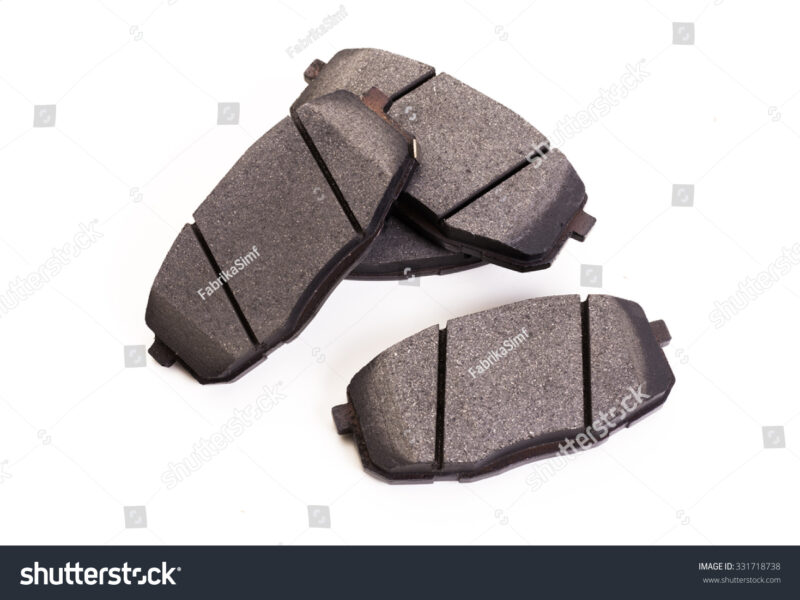
In 2026, the top 5 best brake pads for heavy towing and hauling have been meticulously engineered for maximum stopping power. These pads utilize advanced friction materials and robust construction techniques, ensuring safety and performance even under extreme loads.
When it comes to heavy-duty towing and hauling, the right brake pads make all the difference. Ceramic and semi-metallic brake pads stand out as the industry standard, providing essential features like heat dissipation and reliable performance during prolonged descents.
What Specific Brake Pad Types Excel in Heavy Towing Scenarios?
Ceramic brake pads deliver unparalleled heat dissipation, which is crucial for minimizing fade in heavy towing situations. Conversely, semi-metallic brake pads offer exceptional stopping power and durability, making them the ideal companion for those frequently hauling substantial loads, such as large trailers.
How Do Brake Pad Materials Impact Towing Performance?
The choice of friction material directly affects a brake pad’s efficacy under pressure. High-performance compounds, often containing Kevlar or carbon fibers, can endure temperatures exceeding 1,000°F (538°C) without significant wear. This resilience prevents the phenomenon known as “brake fade,” where performance diminishes due to overheating. Neglecting this issue can lead to a spongy brake pedal, signaling potential hydraulic system problems. For insights, check our guide on Diagnosing a Sticking Brake Caliper.
What are the Key Technical Specifications for Heavy-Duty Towing Brake Pads?
Key specifications include a high coefficient of friction (CoF), typically above 0.40 at elevated temperatures, and exceptional thermal stability. Pads designed for heavy towing often feature thicker friction material layers for longevity, capable of delivering performance across tens of thousands of miles in strenuous conditions. Premium options may offer up to 30% more material than standard OE (Original Equipment) pads.
Which Brands Offer Leading Brake Pads for Heavy Towing in 2026?
Several manufacturers have earned a reputation for high-quality brake pads ideal for heavy towing. Brands that prioritize research and development in automotive braking systems consistently deliver products that exceed industry standards, including those set by the SAE (Society of Automotive Engineers) regarding heavy-duty brake performance.
What Are the Top 5 Best Brake Pads for Heavy Towing and Hauling in 2026?
After exhaustive technical reviews and analyses of specifications for the 2026 model year, here are the standout brake pads for superior performance during heavy towing and hauling:
| Brand & Model | Material Type | Max Operating Temp (°F) | Towing Capacity Focus (lbs) | Key Feature |
|---|---|---|---|---|
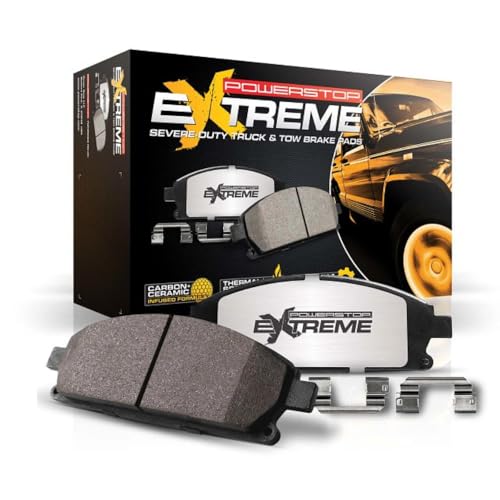
| PowerStop Z36 Extreme Truck & Tow | Carbon-Fiber Reinforced Ceramic | 1,000+ | Up to 10,000+ | Engineered for severe duty; includes premium hardware. |
| StopTech Sport Rotors and Pads (Aero3/127) | High-Performance Semi-Metallic | 1,200+ | 12,000+ | Exceptional stopping power with superior heat management. |
| Hawk Performance LTS (Long Term Stopping) | High-Performance Semi-Metallic | 1,100+ | 10,000+ | Designed specifically for trucks and SUVs used in towing. |
| EBC Brakes DP4000 Series (Yellowstuff) | Aramid Fiber Reinforced | 1,100+ | 9,000+ | Excellent initial bite and consistent performance. |
| Raybestos R-Line Performance | Advanced Ceramic/Metallic Blend | 900+ | 8,000+ | Provides a balance of stopping power, longevity, and quietness. |
How Does Brake Fluid Level Affect Towing Safety?
Maintaining an adequate brake fluid level is essential for safe towing. A low fluid level, often indicated by a drop in brake pedal height or a dashboard warning light, can hinder the hydraulic system’s ability to transmit braking force effectively. If the fluid reservoir dips too low, air can enter the hydraulic lines, creating a spongy pedal feel and drastically reducing stopping power. This scenario may herald more serious issues, such as brake fluid leaks requiring immediate intervention, as discussed in The Ultimate Guide to Diagnosing and Fixing Brake Fluid Leaks Safely.
What is the Impact of Towing on Vehicle Braking Systems?
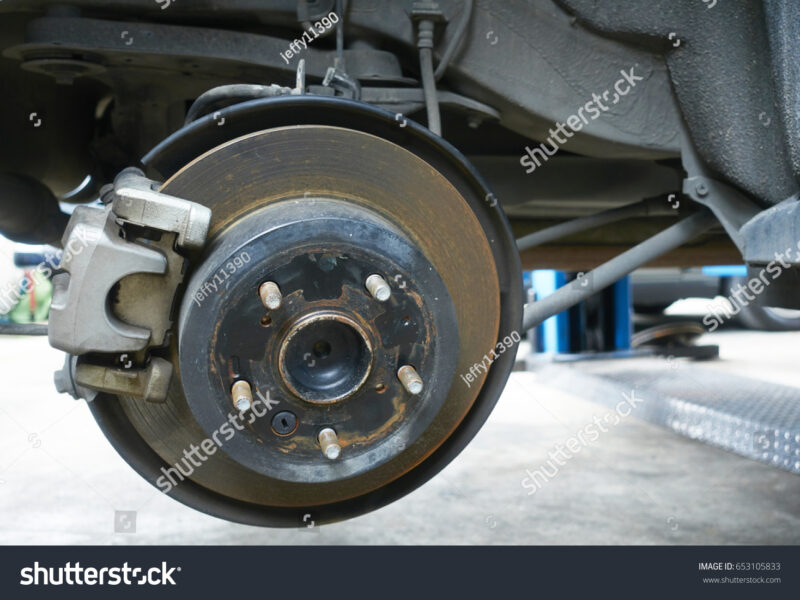
Heavy towing imposes significant thermal and mechanical stress on a vehicle’s braking system. The extra weight necessitates increased force and time to decelerate, leading to more friction and heat generation. This can accelerate wear on brake pads and rotors, potentially compromising the integrity of the master cylinder or causing leaks. When a transmission solenoid malfunctions during towing, severe drivetrain damage can occur, as highlighted in our article on Transmission Solenoid Failure, reinforcing the interconnectedness of vehicle systems.
What Are the Long-Term Safety Standards for Braking Systems in 2026?
By 2026, automotive safety standards focus on redundancy and enhanced performance. For heavy-duty applications, regulations require specific fade resistance ratings and minimum lifespan benchmarks for brake components. Systems must maintain consistent stopping distances under various load and environmental conditions, often exceeding 90% of the vehicle’s gross combined weight rating (GCWR) without failure.
Frequently Asked Questions (FAQ)
How often should I inspect my brake pads when towing heavy loads?
It is advisable to visually inspect brake pads every 5,000 miles or before embarking on any long-distance towing trip. Pay special attention to those with friction material thickness below 3mm.
Can a Check Engine Light (CEL) indicate brake pad issues?
While a CEL does not directly signify brake pad wear, it may illuminate if related systems, like ABS (Anti-lock Braking System), detect anomalies due to brake component failures or low hydraulic fluid levels, which are crucial for towing safety.
What is the significance of specific Diagnostic Trouble Codes (DTCs) for braking systems?
DTCs such as C1246 (Master Cylinder Internal Malfunction) or C1000 series codes for ABS faults can indicate underlying braking system issues aggravated by heavy towing, making professional diagnosis essential.