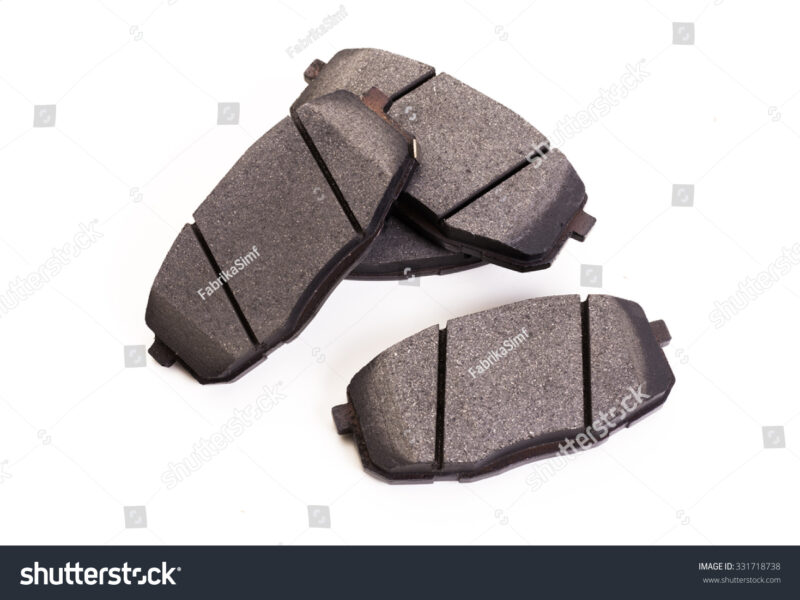
Selecting the right brake pads for daily driving in 2026 is essential for your vehicle’s performance. The ideal choice balances consistent stopping power, minimal noise, and low dust production. Ceramic and low-metallic (Non-Asbestos Organic – NAO) brake pads shine in these areas, ensuring comfort and longevity. These types are engineered to function effectively within average urban and highway temperature ranges, between -40°F and 1,200°F (-40°C to 650°C), consistently delivering a friction coefficient of 0.35-0.45 for everyday braking situations.
What Specific Brake Pad Types Offer Optimal Comfort and Performance for Daily Driving?
For daily commuting and street use, ceramic and low-metallic NAO brake pads are the top choices. Ceramic pads stand out, generating minimal dust that is lighter in color and less likely to stick to wheels. They operate quietly, with noise levels often below 70 dB, making them significantly quieter than semi-metallic alternatives by a margin of 15-20 dB.
With a lifespan averaging between 40,000 to 75,000 miles, these pads not only extend service intervals but also reduce maintenance costs.
On the other hand, while semi-metallic brake pads provide robust stopping power and excellent heat dissipation, they tend to produce more dark, gritty dust and can be noisier, with squeaks and grinding sounds being common. For heavy-duty applications, specialized semi-metallic and carbon-fiber metallic pads are the industry standards, designed for maximum stopping power under extreme loads. For more information, refer to our article on Top 5 Best Brake Pads for Heavy Towing and Hauling in 2026.
Which Specific Brake Pad Brands and Models Excel in Daily Driving Scenarios?
Several brands are synonymous with high-quality ceramic and carbon-fiber ceramic brake pads that meet the demanding expectations of daily driving. They prioritize noise reduction, low dust emission, and consistent performance.
How Do Ceramic Brake Pads Balance Noise, Dust, and Lifespan for Daily Use?
Ceramic brake pads strike an impressive balance between comfort and performance thanks to their unique composition. They incorporate primary ceramic compounds such as alumina and silicon carbide, often reinforced with copper or aramid fibers and binding resins.
This design results in a low abrasive rotor wear rate of about 0.8:1, making them notably gentler on rotors compared to the 1.2:1 rate seen with semi-metallic pads. They also minimize harmonic vibrations, which are often the source of brake squeal, making them a preferred option for noise-sensitive drivers.
Moreover, ceramic pads produce 60-70% less dust than their semi-metallic counterparts, and the dust they do generate is typically lighter in color, making it less visible on wheels.
What Performance Metrics Define Superior Daily Driving Brake Pads?
High-performing brake pads for daily driving are marked by consistent friction levels across broad temperature ranges, typically maintaining a friction coefficient of 0.35-0.45. They provide a smooth and responsive pedal feel, ensuring that drivers experience reliable stopping power in various conditions without having to apply excessive pressure on the pedal.
These pads are designed to minimize fade at normal operating temperatures, offering dependable performance without the need for extensive high-temperature bedding procedures that often accompany performance or heavy-duty pads. Furthermore, optimal brake pads enhance rotor life due to their less abrasive nature, leading to fewer replacements or resurfacing compared to semi-metallic options.
How Does Proper Brake System Maintenance Enhance Daily Driving Performance?
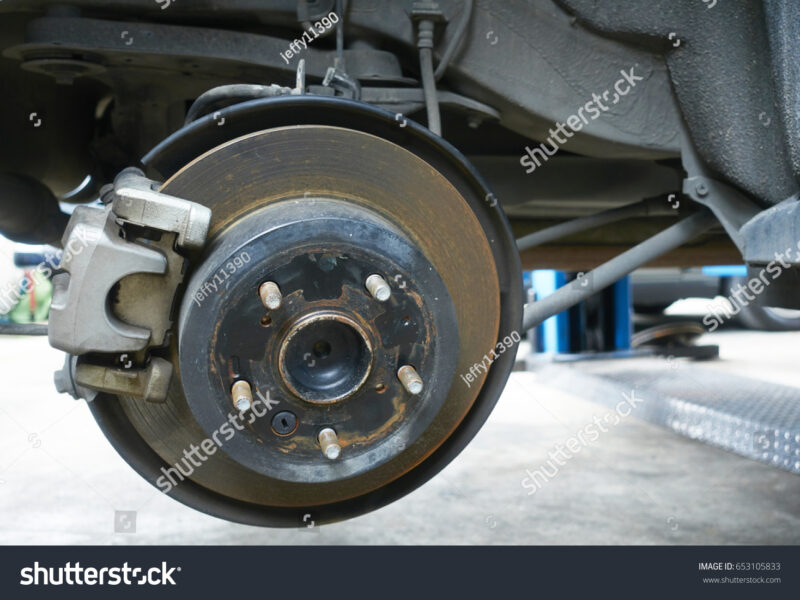
For optimal daily driving performance, it’s crucial to maintain the entire brake system, extending beyond just the brake pads. Regularly checking the brake fluid reservoir is vital; critically low brake fluid levels can lead to a “spongy” pedal feel and diminished braking power due to air bubbles in the hydraulic lines.
If you notice fluid spots under your vehicle or experience a spongy brake pedal, these are key indicators that require immediate attention to prevent serious impairments to your vehicle’s stopping ability. To dive deeper on this subject, review our article on 7 Dangerous Symptoms of Low Brake Fluid You Should Never Ignore. Promptly addressing any brake fluid leaks is crucial to maintaining system integrity and avoiding catastrophic failures. For detailed guidance, see our Ultimate Guide to Diagnosing and Fixing Brake Fluid Leaks Safely.
Comparative Table: Top 5 Best Brake Pads for Daily Driving
| Brand/Model | Friction Material | Noise Level (Qualitative) | Dust Production (Qualitative) | Typical Lifespan (Miles) | Key Feature for Daily Driving |
|---|---|---|---|---|---|
| Akebono ASP Ceramic | Ceramic | Ultra-Quiet (<70 dB) | Ultra-Low | 50,000 – 70,000 | Exceptional quietness and ultra-low dust, OE quality. |
| Bosch QuietCast Ceramic | Ceramic (with Zirconia coating) | Very Quiet (<70 dB) | Low | 40,000 – 60,000 | Premium shims for noise reduction, Zirconia coating for extended life. |
| Wagner ThermoQuiet Ceramic | Ceramic (OE21 Low-Copper) | Quiet (<72 dB) | Low | 50,000 – 65,000 | Integrally Molded Insulator (IMI) technology for noise and vibration reduction. |
| Power Stop Z23 Evolution Sport | Carbon-Fiber Ceramic | Low Noise (<75 dB) | Low | 35,000 – 50,000 | Improved stopping power (up to 20% over standard ceramic) while maintaining comfort. |
| Centric Posi Quiet Ceramic | Ceramic | Very Quiet (<70 dB) | Medium-Low | 45,000 – 60,000 | Consistent stopping power and noise reduction through multi-layer shims and positive molding. |
Frequently Asked Questions (FAQ)
- What brake pad type offers the best balance of noise and dust for daily driving?
- Ceramic brake pads typically offer the best balance, producing less dust and operating at noise levels often below 70 dB, which is 15-20 dB quieter than semi-metallic pads.
- What is the average lifespan of ceramic brake pads in daily driving conditions?
- Under normal daily driving conditions, ceramic brake pads can last between 40,000 and 75,000 miles, influenced by driving habits and vehicle weight.
- Do high-performance brake pads designed for racing also work well for daily driving?
- High-performance racing pads are generally overkill for daily driving; they often require higher operating temperatures, produce more noise and dust, and can be overly aggressive on rotors, making them unsuitable for typical street use.
- How does temperature affect the performance of daily driving brake pads?
- Brake pads optimized for daily driving, such as ceramic, are designed to perform consistently across a typical operating range of -40°F to 1,200°F (-40°C to 650°C), ensuring reliable stopping power without requiring high heat.
- Is it necessary to replace rotors when installing new brake pads for daily driving?
- While not always strictly necessary, inspecting rotors for wear, warping, or scoring is essential. Replacing or resurfacing rotors when installing new pads ensures optimal contact, enhances braking performance, and prevents premature pad wear or noise issues.