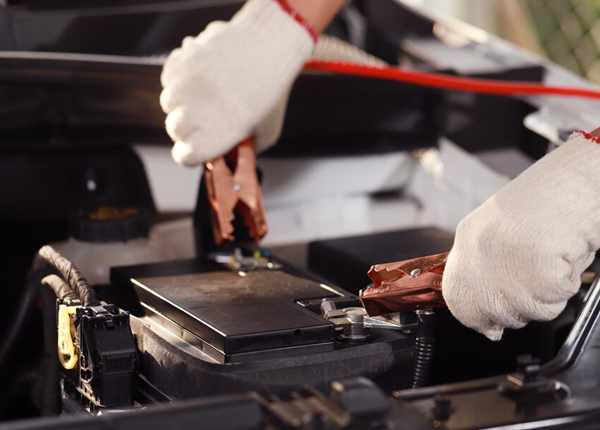
The transition to more efficient and sustainable automotive technologies has surfaced important considerations for car owners regarding battery replacements. In 2026, the average cost for a professional car battery replacement encompasses both the battery and installation, typically ranging from $268 to $368 for conventional 12V vehicles, while main electric vehicle (EV) battery packs will require a more substantial investment, varying significantly based on capacity and manufacturer.
What is the Average Cost to Replace a Standard 12V Car Battery in 2026?
The cost for replacing a standard 12V lead-acid car battery, including both parts and labor, generally falls between $120 and $300 in 2026. Several factors influence this pricing, including the battery type, make and model of the vehicle, and the prevailing labor rates. For instance, standard flooded lead-acid batteries average around $185 to $300, while Absorbent Glass Mat (AGM) batteries, often mandated by newer vehicles equipped with advanced electrical systems or start-stop technology, fall into the range of $230 to $450 for the battery itself. Lithium 12V batteries, while not common for standard internal combustion engine vehicles, range from $400 to $800 for a 100Ah LiFePO4 model.
How Does the Cost of Main Electric Vehicle Battery Replacement Compare in 2026?
In stark contrast to traditional batteries, replacing a main electric vehicle (EV) battery pack in 2026 entails substantial expense, generally within the range of $4,489 to $17,658. Some of the high-capacity battery packs may even exceed $20,000. The total cost is significantly influenced by the EV’s make, model, battery capacity (measured in kWh), and the type of battery chemistry employed.
As of early 2026, the average price for lithium-ion battery packs is approximately $108 per kilowatt-hour (kWh), reflecting an 8% decrease from the previous year. Lithium iron phosphate (LFP) chemistry continues to be a more budget-friendly option at around $81 per kWh, whereas nickel manganese cobalt (NMC) packs are priced around $128 per kWh due to their superior energy density. For example, a 60 kWh LFP battery pack may incur material costs ranging between €3,200 to €3,500, while an 80 kWh NMC battery pack could cost approximately €4,600 to €5,000 at an industrial level. Furthermore, industry analysts, including those from Goldman Sachs Research, anticipate that average battery prices will decline to about $80/kWh by 2026, thanks to technological advancements such as larger cells, cell-to-pack innovations, and a decrease in raw material costs like lithium and cobalt.
Although the initial costs of battery replacement can be steep, it’s notable that most EV batteries are accompanied by warranties lasting between eight to ten years or up to 100,000 miles, safeguarding against significant degradation. The anticipated average annual degradation rate for EV batteries in 2026 hovers around 2.3%. However, frequent DC fast charging exceeding 100 kW could elevate this rate up to 3.0% annually, as elaborated in the article Understanding EV Battery Health: Factors That Affect Longevity in 2026.
What Specific Factors Influence 12V Battery Replacement Costs in 2026?
Numerous factors play a pivotal role in determining the final cost of a 12V car battery replacement. Foremost among these is the type of battery; standard lead-acid batteries generally provide the lowest replacement costs, while AGM batteries designed for start-stop vehicles present a mid-range option, and specialized lithium-ion batteries command the highest prices.
The vehicle’s make and model also critically influence costs, with luxury or high-performance models often requiring specialized, premium batteries. Additionally, the physical positioning of the battery within the vehicle—whether it’s under a seat or within the trunk—can complicate the installation process, potentially increasing both labor time and associated costs.
How Do Installation Labor Costs Impact Total Battery Replacement Expenses?
Labor costs associated with 12V battery replacement typically range from $39 to $117. Mobile battery replacement services often charge between $115 and $281, with straightforward removal and installation tasks costing approximately $59, while more complicated procedures can escalate the expense to $545 or more. Certain retailers include free installation as part of their battery sales, while others may charge separately, usually within the range of $50 to $200.
In the case of main EV battery packs, installation labor costs can range from about $500 to $2,550, influenced by the vehicle manufacturer and dealership; in states such as California, labor rates for EV services can exceed $250 per hour.
When Should a Car Battery Be Replaced to Avoid Further Vehicle Issues?
Generally, standard lead-acid batteries have an average lifespan of 3 to 5 years, while AGM batteries can last from 4 to 7 years. Conversely, lithium 12V batteries can last 8 to 10 years, or even longer. It is prudent to consider replacement for any 12V battery that has surpassed the three-year mark. Failing to heed the signs of a deteriorating battery may lead to unpredicted breakdowns and could exert undue strain on other vehicular components, although it is essential to note that signs like these are not directly linked to issues such as transmission solenoid failure, which presents distinct symptoms as discussed in Transmission Solenoid Failure: How to Identify Symptoms and Save Your Gearbox.
Common indicators of an ailing battery include sluggish engine cranking, dimming headlights, or a clicking noise at startup. Furthermore, extreme temperatures and frequent short trips (under 15 minutes) can significantly curtail battery lifespan as they hinder the battery’s ability to fully recharge. Routine battery health assessments are advisable to thwart premature failures.
Comparative Battery Replacement Costs in 2026
| Battery Type | Typical Cost Range (Battery Only) | Estimated Lifespan | Key Characteristic |
|---|---|---|---|
| Standard Lead-Acid (12V) | $90 – $225 | 3 – 5 years | Cost-effective, standard starting power. |
| AGM (Absorbent Glass Mat) (12V) | $230 – $450 | 4 – 7 years | Enhanced durability, suitable for start-stop vehicles. |
| Lithium (12V) | $400 – $800 (for 100Ah LiFePO4) | 8 – 10+ years | Longer lifespan, lighter weight, higher upfront cost. |
| Main EV Battery Pack (e.g., 60-75 kWh) | $4,489 – $17,658 (average, varies by model) | 12 – 15 years / 150,000 – 250,000 miles | Powers electric motors, high capacity; costs projected to fall to $80/kWh by 2026. |
Frequently Asked Questions (FAQ)
How often should a car battery be replaced?
A 12V car battery should typically be replaced every 3 to 5 years for standard lead-acid types, and 4 to 7 years for AGM batteries, contingent on usage patterns and environmental conditions.
What are the signs that a car battery needs replacement?
Indicators that suggest a battery replacement is necessary include slow engine cranking, dim headlights, a noticeable clicking sound during startup, or the illumination of a battery warning light.
Is DIY car battery replacement recommended?
While DIY replacement of a 12V car battery can result in savings on labor costs, it also carries risks such as incorrect terminal connections or electrical shorts, especially concerning the sensitive electronics present in modern vehicles.
Does instant torque affect EV battery longevity?
Although instant torque characterizes electric vehicles, primary factors impacting EV battery longevity include charging habits—especially regarding frequent DC fast charging above 100 kW—and environmental conditions, as discussed in Why Do EV Tires Wear Out Faster? Electric vs. Gas Car Comparison.
Are EV battery replacement costs expected to decrease in the future?
Analysts are optimistic, predicting that EV battery prices will decrease towards $80/kWh by 2026, which marks a nearly 50% drop from 2023 due to technological advancements and declining raw material costs.