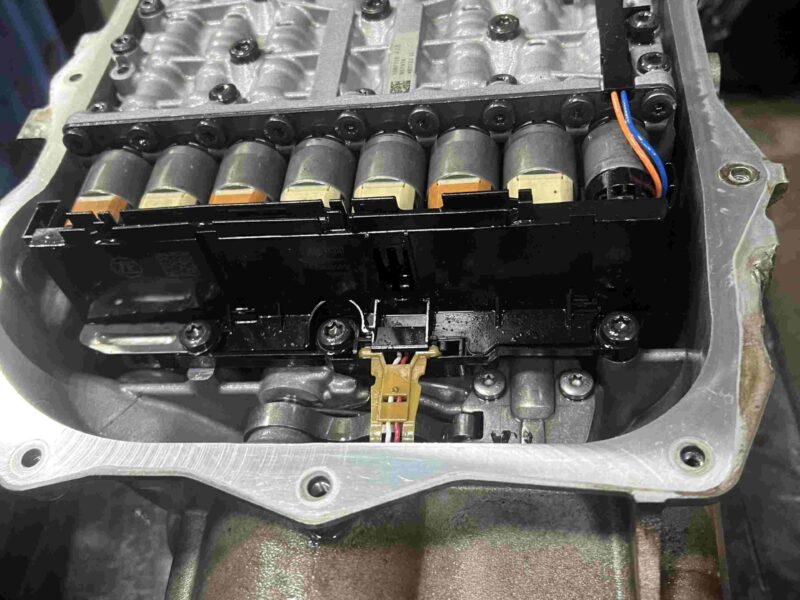
Selecting the right manual transmission fluid (MTF) is pivotal for ensuring the longevity and efficient operation of your vehicle’s gearbox. The right fluid influences everything from shift quality to component protection against wear. To ensure optimal performance and prevent premature wear, it is essential to choose a fluid that not only aligns with your vehicle’s requirements but also adheres strictly to the API service classification and SAE viscosity grade specified by the manufacturer.
What Defines Manual Transmission Fluid Categories?
Manual transmission fluids are classified based on their API (American Petroleum Institute) service ratings, particularly focusing on GL (Gear Lubricant) classifications. The two most common types are GL-4 and GL-5. These classifications signify the levels of extreme pressure (EP) additives present in the fluid and their compatibility with various gearbox components.
When transmission fluid degrades, it compromises hydraulic pressure management within the gearbox. This degradation severely impacts lubrication, cooling, and power transfer, similar to the effects of bad automatic transmission fluid.
Why is API GL-4 Preferred for Synchronized Gearboxes?
API GL-4 gear oil is specifically formulated for manual transmissions featuring yellow metal synchronizers, commonly composed of brass, bronze, or copper. This type of fluid contains approximately 50% less active sulfur than GL-5 fluids, significantly reducing the risk of corrosive damage to these sensitive components. With its effective EP additive package, GL-4 offers essential wear protection while facilitating smooth and precise gear shifts.
When is API GL-5 Necessary for Manual Transmissions?
API GL-5 is primarily designed for hypoid gears located in differentials. However, certain manual transmissions, especially those in heavy-duty applications or integrated transaxles, may require GL-5 for added protection under extreme pressure and high shock loads. It’s important to note that using GL-5 in a gearbox intended for GL-4 can lead to irreversible corrosion of yellow metal components.
What Viscosity Grades are Crucial for Manual Transmission Fluid Selection?
The viscosity of manual transmission fluid is categorized using SAE (Society of Automotive Engineers) grades, such as 75W-90 or 80W-90. The “W” signifies performance in cold temperatures, while the second number reflects kinematic viscosity at 100°C, indicating the fluid’s protective capabilities at operational temperatures. A 75W-90 fluid, for instance, functions optimally in temperatures ranging from -40°C to +40°C, ensuring consistent lubrication and minimizing drag.
Utilizing the wrong viscosity fluid can adversely affect transmission performance, potentially mimicking symptoms associated with transmission solenoid failures, such as jerky or delayed shifting.
How Do Manufacturer Specifications Dictate Fluid Choice?
Each vehicle manufacturer provides specific guidelines regarding manual transmission fluid, which must be followed to ensure peak performance and adherence to warranty conditions. For instance, some Ford manual transmissions require MERCON LV automatic transmission fluid instead of conventional gear oil, while particular GM models may necessitate fluids like GM MT-85 (75W-85). Ignoring these specifications can lead to accelerated wear, challenging shifting, and, ultimately, gearbox failure due to improper hydraulic pressure transmission.
| Feature | API GL-4 Gear Oil | API GL-5 Gear Oil | GM Manual Transmission Fluid (e.g., MT-85) |
|---|---|---|---|
| Primary Application | Manual transmissions with yellow metal synchronizers | Hypoid gears, differentials, some heavy-duty transaxles | Specific GM manual transmissions requiring MT-85 (75W-85) |
| EP Additive Level | Moderate (approx. 50% less active sulfur than GL-5) | High (contains active sulfur-phosphorus additives) | OEM-specified, balanced additive package |
| Yellow Metal Safety | Safe for brass, bronze, and copper components | Potentially corrosive to yellow metals if not specified | Engineered for GM’s specific yellow metal components |
| Viscosity Grades | Typically 75W-90, 80W-90, 85W-90 | Typically 75W-90, 80W-90, 85W-140 | Often 75W-85 or 75W-90 |
| Corrosion Risk | Low risk to synchronizers | High risk to synchronizers if not specified for the application | Low risk when used in specified applications |
| Shear Stability | Good | Excellent under extreme pressure conditions | Excellent, designed for specific gearbox longevity |
What Are the Risks of Using Incorrect Manual Transmission Fluid?
Using the wrong manual transmission fluid can lead to significant operational challenges and rapid component failure. For example, replacing GL-4 fluid with GL-5 can cause severe damage to yellow metal synchronizers due to the higher active sulfur content, ultimately leading to difficult shifting and potential transmission failure. Furthermore, utilizing fluid with insufficient EP additives or incorrect viscosity can result in metal-to-metal contact, accelerating wear on gears and bearings.
Similar to how low brake fluid affects hydraulic performance, incorrect transmission fluid disrupts hydraulic pressure management, significantly impacting crucial processes such as lubrication and power transfer. This can lead to harsh or delayed gear shifts and degradation of fluid quality, diminishing its effectiveness in providing the necessary hydraulic pressure for smooth gear operation.
Frequently Asked Questions About Manual Transmission Fluid
Can I mix different types of manual transmission fluid?
No, mixing various types or grades of manual transmission fluids is strongly discouraged. Different fluids possess unique additive packages and viscosity characteristics that can compromise lubrication and accelerate wear.
How often should manual transmission fluid be changed?
Manual transmission fluid change intervals typically range from 30,000 to 100,000 miles, though the exact recommendation should be referenced in your vehicle’s owner manual for specific guidance.
What is the difference between gear oil and manual transmission fluid?
While often used interchangeably, “gear oil” broadly encompasses lubricants for various gear sets, including differentials (often GL-5). In contrast, “manual transmission fluid” is specifically formulated for the distinctive requirements of manual gearboxes, frequently adhering to GL-4 specifications.
Will using an incorrect viscosity manual transmission fluid damage my gearbox?
Yes, using a fluid with the incorrect viscosity can lead to inadequate lubrication. This can increase drag in cold temperatures or insufficient protection at high temperatures, resulting in accelerated wear and potential gearbox failure.
Does manual transmission fluid impact fuel economy?
Indeed, using the correct viscosity manual transmission fluid as prescribed by the manufacturer can enhance fuel economy. This is achieved by reducing internal friction and facilitating efficient power transfer within the gearbox.